Corner decorationCorner decoration

BLOG
Tips for an energetic lifestyle

100-muffins-800x400
NutritionBy Bobby Stevens13-09-2019

Recipe: Savory Broccoli-Egg Muffins

In this article about the savory broccoli-egg muffins recipe: An egg is a must! This recipe for savory broccoli-egg muffins is super easy and perfect for breakfast, lunch, or dinner. Also easy to take with you. Savory broccoli-egg muffins recipe explained Ingredients (12 muffins): – 5 eggs and 3 egg whites – 200 grams of broccoli – 200 grams of chicken – large handful of basil – 8 sun-dried tomatoes – paprika powder – curry powder – 75 grams of grated cheese Preparation method: 1. Preheat the oven to 200 degrees. Cut the chicken breast into small pieces and marinate with curry powder and paprika powder, then cook in olive oil until done. 2. Cut the broccoli into small florets and boil for 1 minute. Also, chop the sun-dried tomatoes into small pieces and finely chop the basil. 3. Mix the chicken with the broccoli, sun-dried tomatoes, and basil. Season with curry powder, paprika powder, pepper, and salt. 4. Beat the eggs in a bowl and add the grated cheese. Season this with salt and pepper as well. 5. Grease a muffin tin and fill each cup about 3/4 full with the mixture. Then add some of the egg-cheese mixture to each cup. 6. Bake the muffins in the oven for 20 minutes. In the meantime, make a quick salad to serve with the broccoli-egg muffins. Like the one in the photo, with carrot and raisins. Nutritional values per muffin: Calories: 131 Proteins: 9.6 grams Fats: 8.7 grams Carbohydrates: 3.7 grams Also read: 5 breakfasts with more than 25 grams of protein · more articles on our blog · personal training at Daadkracht .

Read more
Bananenbrood
NutritionBy Bobby Stevens05-04-2017

A delicious banana bread

In this article about a delicious banana bread: Making banana bread is really not rocket science. It takes relatively little effort and it's ready quite quickly! A delicious banana bread explained Ingredients: 80 grams of oats 4 bananas 4 eggs 2 teaspoons of cinnamon 1 scoop of vanilla protein powder 40 grams of blueberries 40 grams of mixed nuts (Albert Heijn) 8 speculoos cookies Blender or hand mixer Cake tin Coconut oil Preparation method 1) Preheat the oven to 180 degrees. 2) Grind the oats in a blender or with a hand mixer. 3) Add the bananas and eggs and mix until smooth batter. 4) Add the cinnamon and protein powder and mix again. 5) Then stir in the nuts and blueberries with a spoon. 6) Grease the baking tin with coconut oil. 7) Pour half of the batter into a cake tin. 8) Break the speculoos cookies in half and spread them over the batter already in the cake tin. 9) Pour the other half of the batter into the cake tin. 10) Bake the banana bread for about 30 minutes until done. 11) Let it cool for a moment and enjoy! Also read: 5 breakfasts with more than 25 grams of protein · more articles on our blog · personal training at Daadkracht .

Read more
Overnight-oats-met-sinaasappelsmaak-scaled-2560x1280
NutritionBy Bobby Stevens15-08-2024

Overnight oats with orange & cacao nibs

In this article about overnight oats with orange cacao nibs: A nutritious breakfast with enough protein that tastes like a summer surprise? These orange-flavored overnight oats are easy to make and so delicious that they feel like a dessert. Here’s how to make it. Overnight oats with orange cacao nibs explained Overnight oats, who doesn't know them? This breakfast is made with oatmeal and chia seeds as a base. By adding water or milk and letting it soak overnight, it absorbs the liquid and turns into a kind of pudding. That might sound a bit boring and tasteless. The art of delicious overnight oats lies in adding the right ingredients. A well-known variant is, for example, overnight oats with banana. Are you ready for a (summer) twist? Then these overnight oats with orange and cacao nibs will be your new addiction. Ingredients for orange-flavored overnight oats For these orange-flavored overnight oats, you obviously need oatmeal and chia seeds. Check here what else you need. These are the ingredients for 1 normal portion (female). You can also double the quantities if you have a larger calorie requirement or want to make a larger portion for more days: 2 tablespoons oatmeal (gluten-free) 1 tablespoon chia seeds 1 tablespoon protein powder (for example, vanilla) 4 to 5 tablespoons yogurt or quark of your choice 1 good pinch of cookie spices 1 good pinch of cardamom 1/2 orange (+zest) 1 peach (or other fruit that you think fits this flavor) toppings (for example, cacao nibs, nuts & seeds) How to make orange-flavored overnight oats You can prepare the orange-flavored overnight oats the night before. Use a bowl that you can put in the fridge, or if you eat your breakfast at work or on the go, grab a takeout container. Here’s how to make it: Put the oatmeal, chia seeds, and protein powder in the bowl or container. Add a small splash of water (not too wet) so you can mix the dry ingredients together. Cut an orange in half and grab a grater. Grate the peel of half an orange over the mixture and then squeeze the juice from the half orange over it. Mix well with a spoon. Add a few tablespoons of yogurt or quark of your choice and mix everything into a paste. Season with some cookie spices and cardamom. Let the overnight oats sit in the fridge overnight. The next morning, take it out of the fridge and check the consistency. If it’s a bit dry, add some more water. It’s always nice to top it with a fresh tablespoon of yogurt or quark (and good for the protein!) Finish your overnight oats with toppings. Sprinkle a teaspoon of cacao nibs on top and garnish with some nuts and seeds. Tip: it’s also very nice to add some fruit like fresh pieces of orange, wild peach, or passion fruit. Nutritional values of overnight oats with orange flavor A nutritious breakfast should be a complete meal from which you extract the right nutrients and that keeps you satisfied for a while. This means, for example, that it is important to consume enough protein, as this contributes to a feeling of fullness. A satisfying breakfast contains between 25 and 30 grams of protein. Additionally, unsaturated fats, carbohydrates, and vitamins ensure that your building blocks are replenished and absorbed. These overnight oats with orange flavor contain the right nutrients and are also very tasty. Promise! Here are the nutritional values: 436 calories – 26 grams of protein – 18.8 grams of fat – 35.6 grams of carbohydrates This calculation includes: 30 grams of gluten-free oats, 15 grams of chia seeds, 75 grams of unsweetened soy yogurt, 15 grams of vegan vanilla protein powder from Upfront, 1/2 orange, 1 wild peach, 1 teaspoon of cacao nibs, and 1 tablespoon of nuts & seeds mix. Lifestyle advice at Daadkracht Do you want to know more about nutrition and lifestyle? On our blog , you will find informative articles about a healthy lifestyle, and with our recipes, we inspire you to take good care of yourself. If you need help in adopting a healthy lifestyle, book a free trial lesson . With training, nutrition & recovery, we guide you to a fit and energetic life that is achievable and sustainable.

Read more
100-salade-hoofd-800x400
NutritionBy Bobby Stevens26-02-2020

Roasted vegetable & quinoa salad with pepper-garlic dressing

In this article about roasted vegetable quinoa salad with pepper-garlic dressing: We are always happy with a well-filled salad. However, a cold salad is not always what you crave during the winter months. That’s why this salad is filled with warm roasted vegetables that are in season in February. Think of broccoli, carrots, sweet potatoes, cauliflower, kale, and onion. But feel free to make it with whatever is in season at the moment or with the vegetables you have on hand. The creamy pepper-garlic dressing really completes this roasted vegetable & quinoa salad. Optionally serve with some falafel or chicken breast for extra protein. Roasted vegetable quinoa salad with pepper-garlic dressing explained Ingredients for 4 people – 200 grams sweet potato (2 small) – 250 grams winter carrot (1 large) – 300 grams broccoli (1/2 stalk) – 250 grams cauliflower (1/3 stalk) – 1 onion – 3 tbsp olive oil – 2 tsp cumin – 1.5 tsp paprika powder – pepper & salt – 120 grams quinoa – 75 grams kale (a generous handful) Preparation method Preheat the oven to 180 degrees. Chop the sweet potato, winter carrot, broccoli, cauliflower, and onion, making sure the sweet potato and carrot are cut into thin cubes/slices and that the rest is not too large. Mix all the chopped vegetables except for the broccoli with the olive oil and spices and place in the oven for 10 minutes. After 10 minutes, add the broccoli, mix, and return to the oven for another 20 minutes, mixing halfway through. Put a pot of water on the stove and prepare the quinoa according to the package instructions. Meanwhile, make the dressing. Crush the garlic and mix it with all the other ingredients for the dressing. Set this aside. Once all components are ready, mix the roasted vegetables with the kale and quinoa. Serve with the dressing. Nutritional values per serving with dressing Calories: 372 Carbohydrates: 43 grams Fats: 18 grams Proteins: 11 grams Also read: 5 breakfasts with more than 25 grams of protein · more articles on our blog · personal training at Daadkracht .

Read more
invloed-stress-op-lichaam-1024x512
LifestyleBy Bobby Stevens02-10-2022

What is the impact of stress on the body?

In this article about the influence of stress on the body: Stress plays an important role in daily life and often has more impact on your body than you might think. Stress often has a negative connotation; most people know that too much stress can lead to burnout or even a breakdown. However, the body also needs stress to adapt. To clarify the role of stress on the body, we will first explain what stress actually is. Then we will explain what influence stress can have on the body and indicate how relaxation, nutrition, and training can help combat chronic stress. What is the influence of stress on the body explained What is stress? Stress is a form of tension that is controlled by the brain and occurs in the body as the cortisol hormone. Cortisol is produced by the adrenal glands according to a biological rhythm. Your cortisol level peaks in the morning to wake you up and decreases throughout the day so you can sleep. Additionally, stress serves as a survival mechanism for the body, a mechanism that can even be traced back to evolution. Your brain continuously analyzes potential dangers that can throw you off balance. When stress is released by the brain, the body is actually warned to adapt. You can experience acute stress, such as when you have an important competition or need to give a speech. You then feel hyper-alert, and your heart may start to race. After a while, this tension disappears, and your body is at rest. When the amount of stress increases over a longer period and is no longer in the person's interest, it is referred to as chronic stress. This can occur, for example, due to excessive work pressure combined with stress in private life. Chronic stress has negative effects on health. What is the influence of chronic stress on the body? The influence of acute stress on the body can be seen as positive because it stimulates your body to adapt, and the feeling of stress quickly disappears. However, chronic stress is linked to various negative health consequences such as high blood pressure, elevated cholesterol levels, heartburn, decreased libido, binge eating, sleep disorders, weight gain in fat, and a deterioration of the immune system, making you sick more often. To explain these effects, we will examine a number of important consequences and explain how they are related to other substances in the body. Chronic stress & body weight The negative effect on your body weight comes, for example, from the relationship between cortisol and insulin. Chronic stress leads to elevated cortisol levels in the body, which negatively affects insulin sensitivity. As a result, insulin is processed less effectively, the amount of insulin in the body rises, and fat mass can increase. This insulin insensitivity can ultimately even lead to diabetes. Increased cortisol levels also cause the lean body mass, such as muscle mass, to break down. A decrease in muscle mass means a reduction in metabolism, which leads to an increase in body weight. Furthermore, an elevated cortisol level can increase your appetite, causing you to overeat more quickly and your body weight to increase. Chronic Stress & Sleep Disorders The effect on your sleep pattern is due to the relationship between cortisol and growth hormones . As previously described, cortisol is produced according to a natural rhythm so that you wake up in the morning and can sleep at night. The production of growth hormone occurs in the opposite rhythm. During the night, the production of growth hormone peaks so that your body can recover or grow, while these levels decrease during the day. Increased cortisol levels result in less growth hormone being produced, which means you recover less well at night and may even experience sleep rhythm disorders. Sleep and stress are deeply interconnected. The quality of your sleep affects your stress level, but conversely, your stress level also influences the quality of your sleep. To delve deeper into this, we have written an article about sleeping better . How can you prevent chronic stress? It is now clear that we want to prevent chronic stress . There is no miracle cure that can eliminate chronic stress. The only real solution is to address the stressors at their source. Therefore, be consciously aware of your body, identify symptoms, and ask yourself what might be causing you to experience stress. To ensure you relax, you can seek activities that calm you down, such as meditation, yoga, exercising, or reading a book. Relaxation is, of course, different for everyone. Additionally, you can supplement with magnesium before going to sleep, as this promotes relaxation of the neurotransmitters in your brain. We also don't need to explain that healthy nutrition is essential for the body to function well. Therefore, try not to easily reach for unhealthy food in stressful situations, as this will only cause your cortisol levels to rise further. Training causes stress; a training stimulus disrupts the balance in the body, leading to cortisol production. However, training can also be a form of relaxation and is therefore recommended, as long as it is not experienced as stressful for you. In particular, strength training enhances insulin sensitivity, which can counteract the previously described negative effects of chronic stress. In our article on strength training and reducing psychological disorders , we delve deeper into this. How a personal trainer helps you reduce stress Exercising more helps reduce stress. But people with stress already have enough to consider. Starting to exercise can be quite a hurdle that only adds more stress. Doubts about the busyness of the gym, how to start, and what adjustments you need to make is too much to think about. A trainer helps you get over that. They have figured all of this out for you. All you need to do is put on your sports shoes and show up. Additionally, a trainer knows how to stimulate your body and system enough through exercise. This breaks down cortisol and helps regulate your overall hormone balance. As a personal trainer in Haarlem , we help people exercise at our locations in Overveen, Bloemendaal, and Heemstede. Conclusion Stress is essentially a survival mechanism of the body and is not necessarily negative. However, when chronic stress is experienced, it affects various processes in the body such as your metabolism, sleep rhythm, and immune system. This can lead to weight gain, sleep disorders, and getting sick more easily. Therefore, tackle stress at the source, try to manage stress by incorporating relaxation moments, pay attention to your nutrition, and train enough (but not too much). Do you have questions about the impact of stress following this article? Or do you want to know more about how to cope with stress and promote a healthy lifestyle? Don't hesitate to contact us at info@daadkrachtoverveen.nl

Read more
dieet
NutritionBy Bobby Stevens01-12-2017

The psychological effect of dieting on your brain

In this article about the psychological effect of dieting on your brain: Almost everyone has tried a diet or adjusted their lifestyle at some point. Eating healthier, training more, or quitting smoking, for example. Now think about how you felt at that moment. Were you happy, energetic, and did your change go smoothly? Maybe, but in most cases, not. There’s a good chance you felt moody, tired, a heavy burden on your shoulders, or worse: it failed. A physical goal often seems to have (negative) consequences for your mental well-being. But to what extent is this scientifically accurate, or are these psychological effects that we think we observe? We’ll explain it to you. The psychological effect of dieting on your brain explained The placebo and nocebo effect Our brain plays a significant role in our lives. We think all day long, often even unconsciously. To understand the important role of our brain in the success or failure of a diet or lifestyle, we first delve deeper into the expectation effect . The well-known placebo effect is the positive expectation effect and is described as the belief in the effectiveness of a certain medication, even though it contains no active ingredients. This phenomenon is explained by trust, belief, hope, or the positive expectation that it works. In this way, your brain can really trick you. This effect also exists in reverse; the nocebo effect is the negative expectation effect. When you are convinced beforehand that a medication will have a negative impact on you, you are more likely to experience negative consequences. These terms are known from the medical world but apply generally to our brain and are therefore also applicable to nutrition. The proven effects of nutrition on our brain Knowing that the expectations we have about nutrition influence our thoughts, it can be interesting to test whether these self-perceived negative consequences actually occur. Scientists thought so too. When people start a diet, they often expect to experience negative consequences such as moodiness, cravings for food, a feeling of weakness, and/or fatigue. Research has shown that being on a diet does not actually have negative effects on your mental health. For example: researchers Lieberman et al. 2008 tested this by giving healthy individuals alternating food (blind and based on gel) of 2294 calories and then 313 calories, and then subjecting them to psychological tests. What turned out? The food shortage had little effect on their mood, sleep quality, and mental performance. This is just one example from the various studies that have proven this. Your body generally needs some time to adjust to a new diet, but this is quickly accepted and seen as normal. Master of your own brain Have you ever experienced these negative consequences? Then there’s a good chance your brain has tricked you. Virtually all negative effects of how you feel and how you function are a nocebo effect. The negative effects you feel do not come from your body suffering from a lack of nutrients: it’s all in your head. The result is that many diets fail. What now? It sounds easier said than done, but if you don’t focus on the fact that you are dieting, you will feel just fine. The trick is to become the master of your own brain and not get stuck in negative thoughts and expectations. Turn it around; if you think and expect that you will succeed, the chances are greater that you will indeed succeed. Do you recognize yourself in this, do you want to know more about these psychological effects, or do you need help achieving your goal? Contact us. We are happy to share our knowledge with you and ensure that you achieve your objectives! Source: “Psychology, how to ensure someone sticks to a program.” Bayesian Body Building. Also read: 5 breakfasts with more than 25 grams of protein · more articles on our blog · personal training at Daadkracht .

Read more
Sporten met een personal trainer
TrainingBy Bobby Stevens02-02-2023

Three benefits of working out with a personal trainer

In this article about three benefits of working out with a personal trainer: Do you want to work towards a specific training goal, lack motivation to train, or need personal guidance? Then a personal trainer is a good idea. However, this can also be quite an investment. Why should you work out with a personal trainer? We explain it to you. Three benefits of working out with a personal trainer explained Where does working out stand on your priority list? It can be quite a challenge to maintain a regular training routine alongside a busy job, family, and social life. Let alone to work independently towards a specific goal or intention without losing motivation or getting injured. Earlier, we shared five common mistakes in the gym . It can help to find a gym buddy , but a personal trainer truly adds value. Therefore, we share three benefits of working out with a personal trainer. 1. Efficiently working towards a goal Maybe you want to lose weight , adopt a healthy lifestyle, or get stronger: whatever your goal is, it requires a targeted approach. Without a plan, action, and focus, you will likely find it harder to achieve your goal. A personal trainer helps you to make your goal concrete and translate it into the right training stimulus. This way, working out with a personal trainer is also fun, as you achieve your goals and feel proud of yourself and your results. 2. Personal accountability Some people get very far on willpower and perseverance, but for most people, it is difficult to stay motivated. By working out with a personal trainer, you have a good accountability partner. Just scheduling your training brings structure and ensures that you are less likely to cancel, because someone is waiting for you. Additionally, the exercises are designed for you, and you receive personal guidance, making the time fly by. Before you know it, your training session is over without you feeling demotivated. 3. Reduced risk of injury Of course, you can also train on your own in a gym or book a group class somewhere. However, it is often harder to keep yourself motivated to follow your training schedule. A group class may provide more motivation but is less goal-oriented. More importantly, the risk of injury increases due to a lack of personal guidance. By working out with a personal trainer, you receive the attention you need to perform the exercises correctly. This way, you learn to move effectively and efficiently in a way that works for your body. A personal trainer also takes your physical, mental, and emotional health into account and adjusts the training accordingly to keep the risk of injury low. One of the benefits of working out with a personal trainer: personal guidance reduces the risk of injury Why should you work out with a personal trainer? Working out with a personal trainer has several advantages. For instance, you train much more purposefully with a personal trainer, allowing you to truly achieve your personal goals. A trainer is your accountability partner and ensures that you still go on days when you don't feel like it. And with the right personal attention to your body and overall health, the chance of injuries is much smaller. At Daadkracht, you can first book a trial lesson so we can assess your health, and from there you work with a personal trainer in Haarlem towards your goals. You are more than welcome in one of our studios in Overveen or Heemstede.

Read more
Courgetti
NutritionBy Bobby Stevens05-02-2018

Courgetti with shrimp and a delicious avocado sauce

In this article about courgetti with shrimp and a delicious avocado sauce: You can't start the week better than with a nutritious, easy, and tasty dish, right? You can do that with this recipe for a delightful courgetti pasta with shrimp and a surprising avocado sauce! Courgetti with shrimp and a delicious avocado sauce explained Ingredients (2 servings) 2 zucchinis 300 grams of shrimp 1 lime 2 spring onions 1 clove of garlic 2 avocados 4 sprigs of basil 2 teaspoons almond milk/regular milk 2 teaspoons pesto pepper and salt parmesan cheese arugula bag of pine nuts (optional) Preparation method 1. Place the shrimp in a bowl and marinate them with the garlic, spring onions, half a squeezed lemon, and some olive oil. 2. Cut the zucchinis into strands using a spiralizer. 3. Optional: lightly toast the pine nuts. Then place them in a large bowl. 4. Stir-fry the zucchinis with some pepper and salt for about 5 minutes. 5. At the same time, stir-fry the shrimp for about 5 minutes. 6. In the meantime, peel an avocado, add the basil, milk, pesto, and a splash of water, and blend with an immersion blender until creamy. 7. Divide the courgetti onto two plates and spoon some of the sauce over it. 8. Then distribute the shrimp and pine nuts over the pasta. 9. Optionally garnish with arugula and parmesan cheese. 10. Enjoy! Read also: 5 breakfasts with more than 25 grams of protein · more articles on our blog · personal training at Daadkracht .

Read more
100-chili-640x320
NutritionBy Bobby Stevens17-09-2019

Recipe: Vegan Chili

In this article about the vegan chili recipe: Legumes are rich in potassium, iron, and magnesium and contain vitamins B11, B1, and B6, among others. Since most legumes contain a fair amount of protein, they provide a good supplement of protein in a vegetarian or vegan diet. Vegan chili recipe explained With this recipe, you make 6 large portions. Ingredients for Chili: – 1.5 tbsp olive oil – 1 onion – 1 stalk celery – 1 bell pepper – 300 g tomatoes – Spices (1 tbsp chili powder, 1 tsp cumin powder, 1 tbsp garlic powder, 1 tsp paprika powder/chipotle, 1 tsp oregano, 1 tsp salt, 1 tbsp garlic powder) – 1 can (400 g) black beans (drained) – 1 can (400 g) chickpeas (puree with the liquid in a blender until a mixture with small and coarse pieces) – 1 can (400 g) corn (with liquid) – 2 cans (800 g) pinto beans (drained) – optional, but very tasty; 1 can refried beans (you can also make this yourself) Ingredients for guacamole: – 2 avocados – 1 red chili pepper, seeds removed – A small bunch of parsley – 1 lemon – 1/4 red onion, chopped Preparation method: 1. Cut the onion, celery, tomatoes, and bell pepper into pieces and sauté in the olive oil in a large pan until cooked (~10 min). 2. Add the spices and mix for about 30 seconds, until they release a lot of aroma. 3. Add the other ingredients for the Chili and let simmer for about 30-45 minutes, stirring occasionally, taste and add more salt or chili pepper if needed. 4. Mash the avocados and season with pepper, salt, a chili pepper, onion, lemon, and parsley. Tip: for a Chili con carne, sauté 500 grams of minced meat in step 1, the rest of the steps remain the same. Nutritional values: Calories: 324 Protein: 14 grams Fat: 12.5 grams Carbohydrates: 32 grams Also read: 5 breakfasts with more than 25 grams of protein · more articles on our blog · personal training at Daadkracht .

Read more
pompoensalade
NutritionBy Bobby Stevens20-12-2017

Recipe: Pumpkin Salad with Lentils and Serrano Ham

In this article about the recipe for pumpkin salad with lentils and serrano ham: A salad is ideal as lunch or dinner. However, a salad is more commonly served as a meal during spring or summer. But with salads, you can endlessly vary, and by using different ingredients, you can also serve a deliciously filled winter salad. We chose a salad with pumpkin, lentils, and serrano ham. Check out the recipe below and make it yourself! Recipe for pumpkin salad with lentils and serrano ham explained Ingredients 1 bag of arugula 300 grams of pumpkin cubes teaspoon of thyme 6 slices of serrano ham 200 grams of lentils 75 grams of pecorino 1 red onion 1 tablespoon of balsamic dressing 2 tablespoons of walnuts Preparation method Preheat the oven to 200 degrees. Place the pumpkin cubes in a baking dish, drizzle with some olive oil, pepper, salt, and thyme. Bake for 25 minutes in the oven. Meanwhile, slice the onion into rings. Spread the arugula over two plates and distribute the onion rings over the salad. Also distribute the lentils and the serrano ham. Remove the pumpkin from the oven and let it cool for 10 minutes. Distribute the pumpkin cubes over the salad. Finish with the pecorino and the walnuts, and finally add a splash of balsamic dressing. Variation tips Enjoy as lunch or dinner! Serve for the bigger eaters (man of the house) with a piece of chicken or fish. Also delicious with goat cheese! Also read: 5 breakfasts with more than 25 grams of protein · more articles on our blog · personal training at Daadkracht .

Read more
pompoen-venkel-groenteschotel-366x183
NutritionBy Bobby Stevens12-10-2022

Vegetable dish with pumpkin, fennel

In this article about vegetable dish with pumpkin and fennel: Broccoli, green beans, cauliflower: sometimes you just get a bit tired of the standard vegetables. Bring some variety with a vegetable dish! This variant with pumpkin and fennel is something different and especially delicious in the autumn. Vegetable dish with pumpkin and fennel explained A vegetable dish is easy to make. And it also helps you get rid of your leftovers because you can easily make a dish with vegetables you have left. For example, you can make an Italian vegetable dish with zucchini, eggplant, and mushrooms. And if you really want to try something different, make this vegetable dish with pumpkin and fennel. Try this surprising combination with fennel, thyme, and beef sausages. Ingredients for vegetable dish 1 Pumpkin 1 Fennel 4 Sprigs of Thyme 2 Red onions Bread crumbs Half a bag of Parmesan cheese 4 beef sausages Preparation method for vegetable dish Preheat the oven to 180 degrees. Cut the pumpkin into wedges. Never cut a pumpkin before? This video offers a solution. Cut the fennel and red onion into small pieces. Spread the vegetables in a baking dish, sprinkle the thyme sprigs over them, and drizzle with olive oil. Place the baking dish in the oven for 15 minutes. Meanwhile, mix half a bag of Parmesan cheese with three tablespoons of bread crumbs and 2 tablespoons of olive oil in a bowl. Remove the baking dish from the oven and stir the vegetables. Spread the Parmesan cheese mixture over the vegetable dish. Cook the beef sausages in a frying pan for about 12 minutes until done. Serve the vegetables with the sausages. Enjoy your meal! Enjoy an autumnal vegetable dish. Did you know that: Pumpkin comes from the cucumber family? This dish is healthy because it is packed with vegetables and you combine it with lean beef? The preparation time for this recipe is only 20 minutes? Also read: 5 breakfasts with more than 25 grams of protein · more articles on our blog · personal training at Daadkracht .
Read more
portobello-kipburger-1024x512
NutritionBy Bobby Stevens04-04-2018

Recipe: Portobello Chicken Burger with Spinach

In this article about the portobello chicken burger with spinach: Nothing is better than sinking your teeth into a juicy burger, right? That should definitely be allowed every now and then. But there is also a healthier alternative to consider. So if you're having a huge craving for a greasy burger and still want to eat responsibly, then Portobello chicken burger with spinach recipe explained Ingredients 2 portobellos 300 grams of chicken mince 1 egg breadcrumbs 50 grams of spinach red onion grated goat cheese (+/- 30 grams) arugula Preparation method Put the mince in a bowl with an egg and some breadcrumbs. Knead the mince and shape it into 2 large or 3 to 4 smaller burgers. Fry the burgers in a frying pan. Chop the red onion into small pieces. Sauté the red onion in a frying pan and add the spinach at the end so it wilts. Meanwhile, brush the portobellos with a bit of olive oil and garlic. Grill in a grill pan or under a grill. Assemble your burger with the portobellos as the top and bottom, the burger, and the red onion and spinach. Finish with some grated goat cheese and arugula, and voilà! Enjoy your burger. Nutritional values A portobello chicken burger with spinach and red onion contains 371 calories, of which 24 grams of fat, 10.4 grams of carbohydrates, and 30.8 grams of protein. Variation tips Spread a little truffle mayo on the inside of the portobellos (not very healthy, but very tasty). And in moderation, that can be just fine. Vary with vegetables like cherry tomatoes, roasted zucchini, and stir-fried green asparagus. Also delicious with some sun-dried tomatoes on top! Read also: 5 breakfasts with more than 25 grams of protein · more articles on our blog · personal training at Daadkracht .
Read more
koolhydraatarm-dieet-700x350
NutritionBy Bobby Stevens18-05-2022

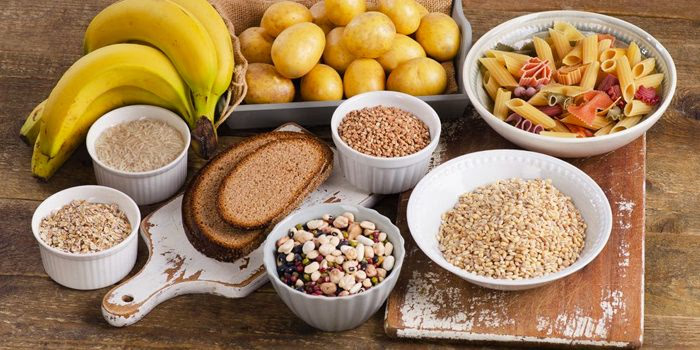
4 reasons why a low-carb diet doesn't work

In this article about 4 reasons why a low-carbohydrate diet doesn't work: No more bread, pasta, and potatoes, better known as a low-carbohydrate diet. Have you ever tried it? In recent years, a low-carbohydrate diet seems to be a popular diet for quick weight loss. Some even swear by a low-carbohydrate lifestyle. But banning carbohydrates from your life is not the solution to losing weight. We share four reasons why a low-carbohydrate lifestyle doesn't work. 4 reasons why a low-carbohydrate diet doesn't work explained Your daily energy intake is determined by the amount of proteins, fats, and carbohydrates you consume. Carbohydrates, like proteins and fats, are macronutrients, but they are not considered essential like the other two. In a low-carbohydrate diet, you limit the amount of energy you get from carbohydrates to less than 35%. According to proponents, this would lead to fewer spikes in blood sugar levels and a more stable insulin level. Without these spikes, you would burn more fat and store less fat. That sounds nice, but in practice, it works a bit differently. 1. Quantity is decisive for weight loss A common assumption is that carbohydrates are fattening. Carbohydrates promote insulin production. Since one of the functions of insulin is fat storage, it is often thought that when you eat carbohydrates, the body stores this faster as fat. What is fundamentally wrong with this view is that you do not gain weight because you eat carbohydrates. You cannot lose or gain weight from specific food sources. The principle of weight loss is that you consume fewer calories than you expend, in other words, you create a calorie deficit. When you have a calorie surplus, you consume more calories than you expend, you gain weight. Therefore, the leading principle in weight loss is energy balance and not the type of food you consume. Carbohydrates do indeed stimulate insulin production, but your energy balance ultimately determines whether you gain weight. 2. A low-carbohydrate diet does not directly lead to fat loss When you stop eating carbohydrates, you usually lose weight quickly at first. This makes it seem like a low-carbohydrate diet is a good solution. The reason you lose weight quickly is that carbohydrates are stored in the body along with water. When you stop eating carbohydrates, your body also retains less water, which results in a lower number on the scale. In the short term, a low-carbohydrate diet can lead to weight loss, but in the long term, you cannot continue to ban carbohydrates, and the loss will stagnate or reverse. It's important to remember that you can lose weight on a low-carbohydrate diet, but it does not necessarily mean that you are burning fat. 3. Nutrient deficiency due to a low-carbohydrate diet A low-carbohydrate diet often leads to a deficiency in nutrients. Carbohydrates also contain important nutrients, such as fibers, vitamins, and minerals. For example, the body needs fibers for a well-functioning digestive system. Additionally, a low-carbohydrate diet often includes more animal products, such as pork, which increases the risk of health issues. The body also needs carbohydrates for energy during activities such as exercising or studying. If you follow a low-carbohydrate diet, it may result in having less energy due to a deficiency in certain nutrients. 4. Yo-yo effect Avoiding carbohydrates forever is not wise and not feasible. When you start adding carbohydrates back into your diet, you will notice that you quickly gain weight again, the so-called yo-yo effect. On one hand, your body retains more water when you start eating carbohydrates again, which causes your weight to increase. On the other hand, the yo-yo effect can also have psychological reasons. When you have denied yourself something for a period and you are allowed to have it again after a while, the urge to eat something that has been off-limits for a long time can be strong. In many cases, this can lead to excessive compensating. If a low-carbohydrate diet doesn't work, what does? Banning carbohydrates is therefore not the ultimate solution for weight loss. Weight loss depends on multiple factors, and your energy balance, sufficient nutrients, and a sustainable change are important. Do you want to know how you can lose weight responsibly and create a lifestyle that can be maintained in the long term? Then contact us for personal advice at info@daadkrachtoverveen.nl Sources Sareen S. Gropper. Jack L. Smith. Advanced Nutrition and Human Metabolism Edition 6. Consulted: Chapter 3: Carbohydrates. Menno Henselmans. The Science Of Nutrition: Is a Carb a Carb?. 2012. Accessed at http://www.simplyshredded.com/the-science-of-nutrition-is-a-carb-a-carb.html Also read: 5 breakfasts with more than 25 grams of protein · more articles on our blog · personal training at Daadkracht .

Read more
Postelijn-salade-800x400
NutritionBy Bobby Stevens07-07-2020

Fresh lamb's lettuce salad with strawberry and apple

Watercress is almost a forgotten vegetable in the Netherlands. It's a pity, because the fresh leaves are full of flavor and make a good alternative to other types of lettuce. Compared to other types of lettuce, watercress also has a higher nutritional value; of all leafy greens, watercress has the highest amount of omega-3 fatty acids. Additionally, the vegetable is rich in vitamins A, C, and E, and contains a significant amount of iron. So there's no reason not to make this fresh watercress salad with strawberry and apple! Tip: this is a side dish; for a complete meal, a protein source should be added (fish, chicken, meat, tofu, etc.). This fresh watercress salad is, for example, delicious at a summer barbecue! Fresh watercress salad with strawberry and apple explained Ingredients for 4 large or 6 smaller servings: – 500 grams of watercress with stems – 20 strawberries – 2 granny smith apples – 2 spring onions – 2 tbsp white wine vinegar – 3 tbsp extra virgin olive oil – 1 tsp mustard – 1 tbsp honey – handful of fresh oregano or 1 tbsp dried oregano Preparation method: 1. Cut off about half of the stems of the watercress and discard them or use them for soup, for example. Cut the leaves from the other half and chop the remaining stems into pieces. 2. Slice the strawberries, apples, and spring onions. 3. Mix the vinegar, oil, mustard, honey, oregano, and salt and pepper in a bowl. 4. Combine everything in a large bowl and toss. Bon appétit! Nutritional values (4 large servings): Calories: 171 Fats: 11 Proteins: 3 Carbohydrates: 17 Read also: 5 breakfasts with more than 25 grams of protein · more articles on our blog · personal training at Daadkracht .

Read more
100-bloemkool-plak-staand
NutritionBy Bobby Stevens19-12-2019

Christmas recipe: roasted cauliflower with almond and bell pepper

In this article about Christmas recipe roasted cauliflower with almond and paprika: It’s that time of the year again, Christmas is just around the corner! Are you going all out this year with a table full of beautiful dishes or do you just want to cook something special for the family? This roasted cauliflower fits both, looks festive, and is very easy to make! Once it’s in the oven, you don’t have to worry about it anymore. Christmas recipe roasted cauliflower with almond and paprika explained Ingredients for 1 cauliflower: – 1 cauliflower – 3 cloves of garlic – 1 tbsp paprika powder – 2 tbsp dried thyme – 2 tbsp olive oil – 1 orange – 1 tbsp lemon juice – 1 can of peeled tomatoes (400g) – 35g almonds – handful of fresh parsley Preparation method: 1. Preheat the oven to 180 degrees. 2. Grate the peel of the orange and then squeeze the orange. 3. Peel the garlic and crush it into a paste in a mortar together with the paprika powder, 1 tbsp thyme, and 1 tbsp orange juice. Then add the olive oil and salt and pepper. Mix into a paste. 4. Remove the outer leaves of the cauliflower, and cut the stem of the cauliflower as far as possible. 5. Coat the cauliflower with the paprika mixture. Then drizzle the lemon juice over it. Place in a baking dish or oven-safe pan and cover with aluminum foil or the lid of the pan. Cook the cauliflower in the oven for 60 – 90 minutes, depending on the size of the cauliflower. 6. Meanwhile, chop the almonds, parsley, and the rest of the thyme. 7. After 60-90 minutes, remove the cauliflower from the oven and distribute the tomatoes (cut into smaller pieces) in the dish, also sprinkle the almonds, orange juice, parsley, and 1 tbsp thyme over the cauliflower. Return to the oven for 15 minutes. 8. Serve the roasted cauliflower whole or sliced with, for example, rice and green vegetables. Or serve as part of a shared dining. Nutritional values per quarter cauliflower: Calories: 171 Fats: 9.7 grams Carbohydrates: 11.2 grams Proteins: 6.4 grams Read also: 5 breakfasts with more than 25 grams of protein · more articles on our blog · personal training at Daadkracht .

Read more
Kettlebell-Training
TrainingBy Bobby Stevens08-11-2022

Five benefits of kettlebell training

In this article about five benefits of kettlebell training: Some people enjoy kettlebell training, others have a love-hate relationship with it, or don't know which exercises you can do with a kettlebell. Perhaps it's a matter of trying it out and seeing the benefits of training with a kettlebell, as more and more studies show that this way of training is extremely effective. We previously shared that strength training is good for your health. In this article, we share the benefits of kettlebell training so you can give this form of training a try. Five benefits of kettlebell training explained 1. Kettlebell training for strength and endurance Most workouts focus on weightlifting to build muscle strength, like strength training, or on cardio to build endurance, like running. In a kettlebell workout, you combine weighted exercises with high intensity. This way, you build both muscle strength and endurance. And that's handy because more strength, for example, allows you to run faster. With kettlebell training, you can also improve your running performance . 2. Kettlebell training is varied Running long distances can be quite monotonous. And working through a training schedule at a slow pace can sometimes get a bit boring. The advantage of kettlebell training is that it is a varied workout at a relatively high pace. You can think of nothing else for a while, which means you won't get bored quickly and can completely clear your mind. This form of training is also good for your mental health . 3. Kettlebell exercises promote flexibility By regularly stretching, your muscles stay flexible, but not everyone takes enough time for that. During a kettlebell workout, you also stretch your muscles with certain exercises, which promotes your flexibility. An example is the single-leg deadlift, where you stretch your hamstrings, or the windmill, which stretches the side of your abdominal muscles. 4. Little needed for a kettlebell training Another advantage of kettlebell training is that you don't need much. If you have one or two kettlebells with an appropriate weight, you can already do a varied workout (for example, one of 8kg or 12kg to start with for women and one of 16kg for men). This means you can easily train at home or outside with a kettlebell. Combine different exercises with a kettlebell, such as squats, deadlifts, and swings. 5. Train different muscle groups with a kettlebell In traditional strength exercises that you do on a machine in the gym , you train one muscle group in an isolated way. This means you only focus on one muscle group at a time. When you do kettlebell exercises, you train different muscle groups simultaneously. This way, you also engage muscles that you wouldn't normally train quickly. Thus, your entire body becomes stronger and your body composition improves. Kettlebell training with a personal trainer in Haarlem Training with a kettlebell is for everyone and you can do it almost anywhere. However, it can be a challenge to choose the right exercises. It is also important that you perform the exercises technically well to prevent injuries. A personal trainer can help you ensure that your kettlebell training is targeted and effective. Need help? Then visit our studio for personal training in Haarlem.

Read more
Leefstijl-tips-voor-fit-blijven-tijdens-overgang-1024x512
LifestyleBy Bobby Stevens04-09-2025

Staying Fit During Menopause: 5 Lifestyle Tips

Why is staying fit during menopause important? In this article about staying fit during menopause, we provide 5 lifestyle tips: Staying fit during menopause is important because this life phase is accompanied by hormonal changes that affect your body and well-being. Here are some reasons why it is crucial to remain active and healthy: Staying fit during menopause: 5 lifestyle tips explained Preservation of muscle mass and bone density The decrease in estrogen can lead to muscle loss and osteoporosis. Strength training and weight-bearing exercises help prevent this. Weight management Metabolism slows down, making it easier to gain weight. Regular physical activity and a balanced diet help maintain a healthy weight. Heart health The risk of cardiovascular diseases increases after menopause. Cardio exercises such as walking, running, or swimming help keep your heart strong. Mental health Exercise stimulates the production of endorphins (the happiness hormone), which reduces stress, anxiety, and depressive feelings that can arise from hormonal fluctuations. Better sleep Many women experience sleep problems during menopause. Regular exercise leads to daytime fatigue, which can contribute to better sleep at night. More energy and fewer hot flashes Staying active can help reduce hot flashes and fatigue, making you feel more vital. In short, staying fit during menopause helps you not only remain physically stronger but also maintain mental and emotional balance. Staying fit during menopause: 5 lifestyle tips Staying fit during menopause requires a combination of exercise, healthy nutrition, and a balanced lifestyle. We share 5 practical lifestyle tips to keep you fit and energetic. 1. Sufficient physical activity Regular exercise is essential for staying fit during menopause because it helps preserve muscle mass and bone density, which deserves extra attention during this phase. Strength training with weights or your own body weight can help keep your muscles strong and prevent bone loss. Additionally, it is important to work on your fitness. Walking, running, cycling, or swimming are great ways to keep your cardiovascular system healthy and boost your energy levels. Exercises like yoga and Pilates also contribute to flexibility and balance, which helps prevent injuries and reduce stress. 2. Protein-rich nutrition In addition to exercise, nutrition plays a significant role in how you feel during menopause. Protein-rich foods help preserve your muscles and provide a longer feeling of fullness, reducing cravings. By eating enough whole grains, vegetables, and fruits, you support your digestion and prevent bloating. Healthy fats found in avocados, olive oil, and fatty fish also help maintain a good hormonal balance. Try to avoid processed sugars as much as possible, as they can lead to fluctuations in your energy and weight gain, and consider adding extra calcium and vitamin D through supplements for strong bones. 3. Stable Sleep Rhythm Sleep is also an important part of your lifestyle for staying fit during menopause. A good night's sleep can sometimes be a challenge due to hot flashes or hormonal changes, but a consistent evening routine can help. For example, avoid screens right before bedtime and ensure a cool and dark bedroom. By going to bed at regular times, you give your body the chance to develop a stable sleep rhythm. 4. Stress Management Attention to your stress level should not be missing from this list of tips for staying fit during menopause. During menopause, hormonal influences can lead to mood swings and increased stress levels, making relaxation techniques extra important. Mindfulness and meditation help bring calm to your mind, while breathing exercises reduce tension in your body. 5. Water Supply Finally, adequate hydration is important for staying fit during menopause, especially if you suffer from hot flashes and night sweats. Drinking enough water not only supports your metabolism but also helps keep your energy levels stable. Staying Fit During Menopause with Daadkracht Staying fit during menopause is mainly about listening to your body. It is undergoing many changes, and it is important that you learn to sense what your body needs during this phase. Not every day is the same, and that is perfectly okay. Sometimes your body needs movement, other days it asks for rest. By consciously managing your lifestyle and making small adjustments, you can navigate the transition period more smoothly and vibrantly. Need help? Then schedule a free trial lesson at our location in Overveen or Heemstede so we can assist you under professional guidance during this period of your life.

Read more
100-gevulde-paprika-1024x512
NutritionBy Bobby Stevens11-02-2020

Stuffed bell pepper with lentils, tomato, and chicken

In this article about stuffed peppers with lentils, tomato, and chicken: Stuffed peppers, to be made in 101 different ways. This one is with lentils, tomato, and chicken among other ingredients. It was too delicious not to share! You can have this stuffed pepper on the table in about 30 minutes and it is the perfect meal for weekdays. Stuffed peppers with lentils, tomato, and chicken explained Ingredients for 2 people: – 2 large red peppers – 100 grams of chicken breast in pieces – 1 clove of garlic – 1/2 red chili – 1 shallot – 1 can of peeled tomatoes (400 grams) – 1/4 zucchini in pieces – 1 tsp paprika powder – 1 tsp oregano – 1 tsp thyme – 100 grams of canned red lentils – 20 grams of grated cheese Preparation method: – Preheat the oven to 220 degrees. – Finely chop the garlic, red chili, and shallot. Heat 1 tbsp of olive oil in a pan and sauté the garlic, red chili, and shallot until fragrant. – Add the pieces of chicken and zucchini to the pan, cook until just done. – Chop the peeled tomatoes and add them to the pan. Add all other ingredients, except for the peppers and cheese, to the pan as well. Mix and heat. Season the mixture with salt & pepper. – Cut the tops off the peppers and remove the seeds from the inside. Fill the peppers with the mixture you just made. Top the stuffed peppers with some grated cheese and place them in the preheated oven for 15 minutes until the peppers are tender and the cheese has melted. Nutritional values per serving: Calories: 298 Carbohydrates: 21.5 grams Fats: 11.5 grams Proteins: 22.9 grams Also read: 5 breakfasts with more than 25 grams of protein · more articles on our blog · personal training at Daadkracht .

Read more
shoarma-salade-366x183
NutritionBy Bobby Stevens24-11-2022

Shawarma salad recipe: healthy and delicious!

In this article about a healthy and delicious shawarma salad recipe: Sometimes you just crave comfort food. Recognizable? Unfortunately, that is usually not very healthy. We always find it a fun challenge to create recipes that are both tasty and healthy. Because eating healthy doesn't have to be boring and tasteless. That's how we translated a shawarma sandwich into a shawarma salad recipe. This shawarma salad is packed with vegetables, proteins, and vitamins. Curious how to make it? Read on and treat yourself to a healthy shawarma sandwich. Healthy and delicious shawarma salad recipe explained Ingredients for shawarma salad (2 people) For this shawarma salad, you will need the following ingredients. 300 grams of chicken shawarma arugula salad mix 1 bell pepper cucumber cherry tomatoes spring onion hummus feta low-fat quark (or lactose-free quark/soy yogurt) garlic powder parsley 1 whole grain cracker or spelt pita bread How to make the shawarma salad Cook the chicken shawarma in a pan until done. Pre-cooked chicken shawarma is quick and easy to prepare. But if you have a bit more time, you can make crispy oven-baked chicken shawarma yourself. It may seem to take more time, but the result is more than worth it. In the meantime, put a generous amount of salad in a bowl. Chop the cherry tomatoes, bell pepper, cucumber, and spring onion into pieces and add them to the salad. Meanwhile, mix some low-fat quark with water and season with garlic powder, pepper, salt, and parsley. By making it yourself with quark as a base and diluting it with water, you get the delicious taste of garlic sauce but it's less unhealthy. Remove the shawarma from the heat and let it cool for a moment. Meanwhile, crush or crumble a whole grain cracker to make croutons. If you have more time, you can toast a piece of bread, cut it into small pieces, drizzle with some olive oil, and roast it in the oven for 10 minutes. Add the shawarma strips to the salad, crumble some feta on top, and season with the dressing and croutons. Optional: serve with a scoop of hummus. Share your shawarma salad We love to see what your shawarma salad looks like. Will you share the result with us? You can always send us a message on Instagram or sending an email is also welcome. Optimal health with a personal trainer It can be quite challenging to eat varied, healthy, and flavorful. All personal trainers at Daadkracht are here to help you optimize your health. This means we not only look at training but also at lifestyle, nutrition, and sleep. Do you long for more balance? Then come by our studios for a free consultation about personal training in Overveen or Heemstede.

Read more
Wat-is-personal-training-768x576
TrainingBy Torito Marketing01-06-2023

What is personal training? Everything you need to know about working with a personal trainer.

In this article about what personal training is, everything you need to know about working with a personal trainer is explained: “I couldn’t see the forest for the trees.” Most people who want to become fitter, stronger, and healthier eventually run into this issue. There is so much information, where on earth do you start? That can all feel overwhelming, sometimes downright confusing. A personal trainer offers a solution. But what is personal training? What is personal training? Everything you need to know about working with a personal trainer explained Give us 10 minutes and you will get all the ins and outs of working with a personal trainer. It is the first step towards a fit body. What is personal training and what does a personal trainer do? A personal trainer is someone who is qualified to guide people in their fitness journey. That definition may sound a bit formal, but the word qualified is important. This is a professional you need to be able to trust. This is the person who will guide you to get the most out of yourself and achieve your goals. A trainer assists you with your workouts, creates training schedules for you, helps you with your nutrition, and motivates you to push yourself to the limit. A personal trainer is a safety net, ensuring that you stick to your new habit this time. This guidance from a trainer is called personal training . The role of a personal trainer In broad terms, it is now clear what a personal trainer does. It is actually much more than just giving exercises that you then have to perform. Your trainer plays an indispensable role in: Assessing your current fitness and health Creating a customized training schedule Providing instructions on the correct execution of exercises Monitoring your progress and adjusting your training plan when necessary Motivating and supporting you to help you achieve your goals Pushing you where you would otherwise give up Increasing the difficulty of exercises safely Different types of personal trainers There are many different types of personal trainers, but if you know what to look for, it is quite easy to find someone who can help you. First, there are generalists. These trainers can assist you with most of your fitness goals. But be sure to check if the trainer is competent and has sufficient knowledge. Nowadays, anyone can call themselves a personal trainer. Therefore, check what kind of background the trainer has and how much experience they possess before choosing a personal trainer. There are also specialists. These trainers help you with specific goals. Think of weight loss, strength training, or sport-specific training. Perhaps you are overweight due to a medical condition, you are pregnant, or you want to train for a specific sport. In such cases, it is useful to enlist a specialist. Lastly, there are also online personal trainers and group trainers. These trainers are for people looking for maximum flexibility or a social setting to work out in. The benefits of working with a personal trainer Exercising with a personal trainer has many advantages. To name a few: You receive individual guidance and attention, which can lead to faster and better results. Additionally, your personal trainer keeps you accountable to your personal training plan. They motivate you and give you a sense of responsibility for your results. Here you can find all the benefits of personal training summarized. Motivator and accountability partner When it comes to your results, your personal trainer is your biggest friend. They know how to motivate you and encourage you. This way, you remain committed to your own results and also take responsibility for your training schedule. A good trainer does not act like a military drill sergeant. A good trainer behaves like a friend who wants the best for you. Moreover, it helps that you make appointments with your trainer. If someone is waiting for you, you are much more likely to actually go to the gym. The time of sponsoring gyms without setting foot inside is over. Having a stick behind the door is important. Furthermore, you and your trainer have progress meetings. Here you discuss the past period and the results achieved. This way, you can see if you are on the right track or need to adjust. Individual attention and guidance “Personal” says it all. A personal trainer tailors their approach to your personal needs and goals. While a commercial gym might give you a generic plan, the trainer knows exactly what is needed for your body. They have the knowledge and experience to assess what is necessary for your specific goal. A trainer also ensures a safe environment to prevent injuries . And because you start working with an effective plan from day one, you know you will achieve results faster. A trainer also knows what you need when you are feeling down. Perhaps you are going through a stressful period and your body needs a gentle workout. Or maybe you have a specific goal that requires an extra push, allowing for a more intense session. There is room for that, and it all happens in a safe manner. How do you choose the right personal trainer? A trainer must fit you. If you don’t click, you will exercise reluctantly, and that won’t help you progress. To achieve your goals, you need to work with the right personal trainer. So spend extra time and attention on this crucial step. What should you pay attention to? Certification and experience When looking for a personal trainer, it is important that they have the right certification and experience. Certified personal trainers have proven knowledge and skills in the field of sports and nutrition. Ask about their experience and successes with previous clients to get a good idea of their expertise. Are you interested in becoming a personal trainer yourself? Read → How to become a personal trainer? Specializations and training styles We are all different, and as mentioned, there are also specialized personal trainers. Choose someone with the right specialization and training style. This way, you know you are working towards your goals in the right way. So think carefully about what you want to achieve (weight loss, muscle gain, or training for a sport). How much does a personal trainer cost? The costs for personal training can vary significantly. Many factors can influence the price. For example, consider experience and location. An inexperienced trainer will charge less than an experienced trainer with proven results. At the same time, a luxury gym in Amsterdam City Center will be more expensive than a training session in a park. Want to know more about personal training costs? Read about personal training costs. Factors that influence the price The investment you make is influenced by the experience and expertise of your trainer. But also by the location of the training. Are you training outside, in a private studio, in a commercial gym, or at your home? All these factors have an impact. Additionally, the duration and frequency of the sessions also influence the cost, as well as any extra services like nutritional guidance. Personal training in different settings You just read it: Personal training can take place in many locations. It depends on your preferences and needs. Consider the pros and cons of each option and determine what the right training setting is for you. Below we provide you with a number of settings. Personal training in the gym We operate from a private studio, so you might not expect us to share this, but a commercial gym offers several advantages for personal training. A large gym has enough space for many different types of equipment. Additionally, some people enjoy working out in a space surrounded by others. However, when you receive training in a basic gym, you may encounter potential downsides, such as busy times and extra costs for the gym membership. For many people, a personal training gym is a more pleasant setting. Here, only personal trainers and personal training clients are working out. This means you don’t have to wait for equipment and can train in complete privacy. Many people find this the best way to work out with a personal trainer. Home personal training Training at home offers the convenience of your familiar environment and the privacy to work at your own pace. However, you may face potential downsides, such as limited equipment and less space for certain exercises. Additionally, changing your environment during workouts is often beneficial, especially now that we are increasingly working from home. Online training Online training gives you the flexibility to train where and when it suits you best, without travel time and often at lower costs. These online sessions are usually less tailored to you as an individual because the underlying mindset is to create something for as many people as possible. Additionally, you miss the accountability and oversight of your exercises that a personal trainer provides. Personal training and nutrition When achieving your fitness goals, nutrition plays an indispensable role. A healthy and balanced diet improves your energy levels and performance during workouts. This way, you can get more out of your time in the gym and see results faster. The role of the personal trainer in nutritional advice Although personal trainers can provide basic nutritional advice and guidelines, it is important to remember that they are not dietitians or nutritionists. For specific nutritional needs and diet plans, we recommend consulting a qualified nutritionist. Some personal trainer gyms have these qualifications in-house. Tips for Healthy Nutrition During Personal Training To support your body during your training program, it's important to pay attention to your nutrition. Here are some tips to help you get started: Go for a balanced diet, avoid extreme diets Watch your calorie intake Enough water helps you with all your fitness goals. This article is a good starting point when considering training with a personal trainer. Remember that working out with a personal trainer is a great way to achieve your fitness goals and improve your overall health and well-being. Don't forget that consistency, dedication, and a positive attitude are the keys to success! Starting with a Personal Trainer? Daadkracht is a personal trainer Haarlem . From our studio, we help people achieve their fitness goals. Whether they want to lose weight or get stronger, we have the experience in-house. We have already helped many clients at our locations and can help you too!

Read more
100-noodles-640x320
NutritionBy Bobby Stevens12-09-2019

Recipe: carrot noodles with chicken and cashews

In this article about carrot noodles with chicken and cashews: Chicken Cashew Carrot Noodles 🥕 — On the table in less than 30 minutes, nutritious and very tasty. That’s what these carrot noodles with chicken and cashews are. You make the carrot noodles with a spiralizer. This could also be done with zucchini, or half and half. Just what you like. — Ingredients for 3 people carrot noodles with chicken and cashews 👪: – 6 large carrots (+/- 600 grams) – 300 grams chicken breast – 1 zucchini – Large handful of cashews – 1 tablespoon olive oil Recipe for carrot noodles with chicken and cashews explained Sauce: – 4 tablespoons cashew butter (buy in a jar or make it yourself by grinding cashews for 5-10 minutes in a food processor until it becomes a paste) – 1 tablespoon soy sauce – 2 cloves garlic (minced) – 1 tablespoon sambal – Small lime or 1/2 larger lime – 1 tablespoon honey – 1/2 cup vegetable broth — Preparation: 1. Put a pot of water on the stove and bring to a boil. Meanwhile, use the spiralizer to cut the carrots into thin long strands. Cut the zucchini and chicken into pieces. 2. Heat 1 tablespoon of olive oil in a large pan and cook the chicken with the zucchini until done (+/- 7 min). Meanwhile, mix all the ingredients for the sauce and cook the carrot strands for 1-2 minutes until slightly tender. 3. Push the chicken and zucchini to one side of the pan, and add the sauce next to it in the pan, waiting for it to thicken slightly (+/- 2 min). 4. Add the carrot strands to the pan and mix everything together. Let it cook for another 2-3 minutes and serve with the cashews. — Nutritional values per serving: Calories: 448 Fats: 25.1 grams Carbohydrates: 29.3 grams Proteins: 26.2 grams For more recipes, check out the blog Also read: 5 breakfasts with more than 25 grams of protein · more articles on our blog · personal training at Daadkracht .

Read more
spinaziesalade-1024x512
NutritionBy Bobby Stevens24-04-2018

Recipe: spinach salad with falafel and hummus

In this article about the recipe for spinach salad with falafel and hummus: Ingredients (2 servings) Recipe for spinach salad with falafel and hummus explained 300 grams of spinach 234 grams of falafel (Garden Gourmet) 1/2 yellow bell pepper 1/2 red bell pepper 8 cherry tomatoes 1 stalk of spring onion 70 grams of soft goat cheese or feta 1 tablespoon of hummus Optional: lentils (as in the photo) Preparation method Fry the falafel in a frying pan for 8 minutes until cooked. Meanwhile, chop the bell pepper and spring onion into small pieces. Place the spinach in a large bowl and distribute the ingredients over it. Then add the falafel and crumble the goat cheese or feta over the top. Serve your portion and add a tablespoon of hummus on top. Enjoy your meal! Nutritional values A serving of spinach salad with falafel and hummus contains 395 calories, of which 22.5 grams of fat, 28.4 grams of carbohydrates, and 12 grams of protein. Additionally, this dish contains 13.9 grams of fiber, 156.2 milligrams of sodium, and 414.3 milligrams of potassium. Variation tips For an extra crunch, you can add almonds or almond flakes (as in the photo) Also delicious: grill the bell pepper with zucchini slices in a grill pan with some oregano. This creates a grilled vegetable-falafel-hummus salad. Also tasty with roasted cauliflower florets in it! Also read: 5 breakfasts with more than 25 grams of protein · more articles on our blog · personal training at Daadkracht .
Read more
100-quinoa-640x320
NutritionBy Bobby Stevens30-10-2019

Quinoa pumpkin salad with pumpkin vinaigrette

In this article about quinoa pumpkin salad with pumpkin vinaigrette: It is autumn, the season when pumpkins are widely available! While they are fun as decorations, they are even better to eat! The pumpkin has a slightly sweet flavor and is high in fiber, calcium, iron, and vitamins A, C, and E. Together with the protein-rich quinoa, this makes a delicious autumn salad! Quinoa pumpkin salad with pumpkin vinaigrette explained Ingredients for the salad (3 servings) – 1 butternut squash – spices (1 tsp cinnamon, 1 tsp paprika powder, 1/2 tsp ginger) – 150 grams quinoa – 80 grams feta – 40 grams pecans – 75 grams arugula – 20 grams pumpkin seeds – 100 grams pomegranate seeds – salt & pepper Preparation method salad 1. Preheat the oven to 200ºC and peel and cut the butternut squash into small cubes (the size of a dice). Place the pumpkin on a baking sheet and drizzle with 1 tbsp olive oil and the spices, mix well. Bake until tender for 15-20 minutes. 2. Cook the quinoa according to the package instructions. 3. Allow the pumpkin and quinoa to cool until both are lukewarm. Then mix with the remaining ingredients. Serve the salad as lunch, dinner, or a side dish. Tip! Make plenty so you can enjoy this quinoa pumpkin salad for several days as lunch, but only add the dressing when you are ready to eat. Ingredients pumpkin vinaigrette – 1/4 cup pumpkin puree (you can easily make this yourself with some leftover pumpkin) – small clove of garlic, minced – 1 tbsp balsamic vinegar – 2 tbsp maple syrup – 1 tbsp mustard – 1/3 cup olive oil – 1 tbsp dried thyme – pepper & salt Preparation method pumpkin vinaigrette Mix all the ingredients for the vinaigrette in a food processor. Add salt & pepper to taste and serve with your favorite salad, or with the quinoa pumpkin salad! Any leftovers can be stored for 5 days in the refrigerator or 3 months in the freezer. Nutritional value salad: Calories: 497 Fats: 25.7 grams Carbohydrates: 49.1 grams Proteins: 16.8 grams Nutritional value dressing (per 1/10): Calories: 73 Fats: 7.6 grams Carbohydrates: 1.3 grams Proteins: 0.1 grams Also read: 5 breakfasts with more than 25 grams of protein · more articles on our blog · personal training at Daadkracht .

Read more
bananenbrood-1024x512
NutritionBy Bobby Stevens14-08-2018

Banana Bread à la Lotte & Nevin

In this article about banana bread à la Lotte Nevin: Various recipes for making banana bread circulate on the internet. We have also shared a recipe in the past. However, making the perfect banana bread can be quite a challenge. It usually doesn't taste as good as the one from your favorite coffee shop. Although it is probably also a lot less healthy ;-). Our new personal trainer Nevin (introduction to follow) shared the secret recipe from his girlfriend, and we have been fans ever since. We are not the worst and are happy to share this version with you! Banana bread à la Lotte Nevin explained Ingredients 130 grams spelt flour 130 grams oat flour 4 tbsp coconut blossom sugar 1 tsp baking powder 1 packet baking soda 50 ml almond milk 2 tsp vanilla extract 6 tbsp coconut oil 5 medium bananas Baking pan Baking paper Preparation method Preheat the oven to 180 degrees. Put the spelt flour, oat flour (blend the oats in a blender until flour), coconut blossom sugar, baking powder, and a pinch of sea salt in a bowl. In a blender, mix the bananas with the almond milk, vanilla extract, and coconut oil until smooth. Add the mixture to the dry ingredients in the bowl and mix well with a spatula. Place a piece of baking paper in a baking pan and spread the mixture over it. Optionally, add extra ingredients like chocolate or nuts. Bake the banana bread for 35 to 40 minutes. Nutritional value A slice of banana bread contains approximately 176 calories, of which 4.5 grams of fat, 28 grams of carbohydrates, and 3 grams of protein. This is without the addition of dark chocolate or nuts. You can enjoy it as a snack. Since it is made from pure and nutritious ingredients and contains no additives, it is a healthier alternative than cookies or candy. Tips Delicious with chunks of dark chocolate in it! Slice the banana bread and freeze what you don't eat immediately. This way, you can take out a slice from the freezer each time during your week. Also read: 5 breakfasts with more than 25 grams of protein · more articles on our blog · personal training at Daadkracht .

Read more
Water
NutritionBy Bobby Stevens20-10-2017

Why is it important to drink water?

In this article about why it is important to drink water: We all know that we need to drink enough water. This is often said and is like an unwritten rule in our minds. But why is that actually, what is enough water, and does it vary from person to person? We dove into several studies and explain it to you. Why is it important to drink water explained The importance of drinking water Our body consists of about 60% water. The water in your body regulates your body temperature, helps your intestines absorb nutrients, and transports nutrients and waste. Maintaining your fluid balance is therefore essential. So, drink enough water. But what is enough? The right guideline for your water needs The Nutrition Center recommends drinking 1.5 to 2 liters of water per day to stay healthy. But that would mean that a man weighing 95 kilos should consume the same amount of water as a girl weighing 50 kilos. A better indication is therefore 0.03 x your body weight. Throughout the day, you also lose fluid through sweating, breathing, bowel movements, and urine. Additionally, it naturally matters whether you are exercising intensively or sitting in a chair all day. When you exercise, you lose about 1 to 2 liters of fluid per hour. That is almost the amount you need to drink in a day. After a workout, it is also important to replenish your fluid balance. For illustration, a Coca-Cola bottle can hold one and a half liters of water. Alert, satisfied, and happy with a glass of water It is clear that drinking water is important for a well-functioning body. But are there other effects of drinking water, and what do we feel when we do not drink 'enough'? Various scientific studies have been conducted on these questions, with varying results. Generally, it appears that when people who have a habit of drinking little water increase their daily intake to about 2 liters per day, they feel less tired, confused, and sleepy. It also emerged that when people who usually drink a lot of water reduced their daily intake to 1 liter per day, they felt less sharp, satisfied, and positive. Although more research is being done to clarify these effects, current results suggest that 'drinking enough water' not only serves an essential function for our body but can also have a positive effect on our feelings. Reflect & learn Take a moment to consider how much water you actually drink per day and whether this is enough for you. If you find it difficult, grab a large glass of water between tasks and drink it all at once. Or buy yourself a bottle that you consciously fill five times a day. And don’t forget to replenish your fluid balance after a vigorous workout! Source: “Quantifying the effect of water intake on mood. Effect of changes in water intake on mood of high and low water drinkers.” – Examine.com Research Digest (ERD). Also read: 5 breakfasts with more than 25 grams of protein · more articles on our blog · personal training at Daadkracht .

Read more
bluemonday-mentalegezondheid
TrainingBy Bobby Stevens15-01-2018

How do nutrition and training contribute to your mental health?

In this article about how nutrition and training contribute to your mental health: Blue Monday. Perhaps we feel this way because this day is named so, but the fact remains that January is not really the most enjoyable month of the year. The cozy days before Christmas are behind us, and summer seems miles away. The winter blues hit many people. Therefore, we thought it was time to explore how nutrition and training can contribute to a strong and positive state of mind. Because that is exactly what we need right now. How nutrition and training contribute to your mental health explained Nutrition and your mental health Earlier, we explained that following a strict diet can have negative effects on your brain. This can be explained by the expectations we have beforehand (nocebo effect). When you think you will struggle and feel moodier, more tired, and hungrier, you will experience this sooner. Feeling mentally positive and strong through nutrition starts with creating a healthy but especially realistic eating pattern. Additionally, there are several important substances found in food that contribute to your mental health. Serotonin Serotonin is a neurotransmitter and hormone with an important role in our brain chemistry. It regulates our moods and behavior. When we have enough serotonin in our body, we feel good. Additionally, it regulates several vital bodily functions such as the immune system, kidney function, heart and blood vessels, and digestion. Serotonin can be obtained from food by consuming foods rich in tryptophan. This substance is converted into serotonin and is found in many protein-rich foods such as meat, fish, beans, and eggs. Blood sugar balance There is a direct link between your mood and the balance of your blood sugar levels. Eating a lot of sugar leads to sudden spikes and drops in the amount of glucose in your blood. All carbohydrates are broken down into glucose, and your brain runs on glucose. The more unbalanced your blood sugar is, the more intense your mood swings will be. Therefore, it is advisable to limit the amount of refined sugars and carbohydrates (white bread, pasta, candy, cookies, etc.). Supplementing: vitamin D & magnesium The body produces vitamin D under the influence of sunlight on the skin. This substance is necessary to absorb calcium from food and helps with the proper functioning of muscles and the immune system. In winter, we see less sunlight, which can lead to a deficiency and make us feel weaker more quickly. Therefore, supplementing vitamin D may be advisable. We also previously described why it can be beneficial to supplement magnesium . Magnesium is the counterpart of the stress hormone cortisol and ensures that important neurotransmitters in our brains relax. This can lower the stress level in the body. It also helps to lower blood pressure and aids in glucose transport. Training and your mental health In addition to a balanced diet, training can also contribute to good mental health. There are several reasons and theories to mention. For instance, training leads to a more positive self-image, as you feel better in your skin and feel healthier and more productive. Furthermore, strong physiological reactivity to stressors also has positive effects on mental health in daily life. Simply put, when you have strong endurance and can endure or push through during workouts, you will also stand stronger in daily life because your self-worth is increased. Besides these psychological effects, there are also physiological effects of training on your mental health. It appears that your brain produces serotonin during training, and you are now aware of the effects of this. Additionally, training is said to have a stimulating effect on other parts of the brain, such as the stimulation of nerve cells, the functioning of the adrenal cortex, and the operation of neurotransmitters. Don’t feel blue, we got you! It is clear that nutrition and training contribute to good mental health. Create a realistic dietary pattern, eat enough protein-rich foods such as fish, meat (chicken, beef), and eggs, and avoid refined sugars that disrupt your blood sugar levels. Supplementing with magnesium and vitamin D is recommended. Additionally, it is good to exercise at least twice a week. This will make you more satisfied with yourself, feel mentally stronger, and promote the production of positive substances in your brain. With these tips, you will get through those winter months! 😉 Sources: Ruthford et al. (2009) Magnesium for depression. Effect of magnesium supplementation on depression status in depressed patients with magnesium deficiency: A randomized, double-blind, placebo-controlled trial. Psych Fysio http://www.earth-matters.nl/5/5416/gezondheid/over-het-verband-tussen-depressie-en-voeding.html Also read: Pull-ups · more articles on our blog · personal training at Daadkracht .

Read more
POMPOEN-SPRUITJES-SALADE-MET-APPEL-PECANNOTEN-1024x512
NutritionBy Bobby Stevens04-01-2024

Recipe for pumpkin Brussels sprout salad with apple & nuts

In this article about the recipe for pumpkin Brussels sprout salad with apple nuts: What should you do with pumpkin? This orange fellow is really not just for placing outside your door for Halloween. Pumpkin is a delicious autumn vegetable that you can use in many different ways. This recipe for pumpkin Brussels sprout salad is filling and nutritious. Recipe for pumpkin Brussels sprout salad with apple nuts explained As soon as autumn begins, the shelves are filled with pumpkins. Some people leave them behind because they don't know what to do with them. What a shame, because pumpkin has a delicious sweet, creamy, and warm flavor that goes well with autumn weather. With this recipe for pumpkin Brussels sprout salad, you have an ideal vegetable dish for the whole family or when you have guests over for dinner. Health benefits of pumpkin You want to make a recipe for pumpkin right away because it has many health benefits. For instance, pumpkin is low in calories and high in fiber. The fiber keeps your intestines healthy and ensures that you feel full. Additionally, pumpkin contains a good amount of iron, calcium, vitamin C, and E. Are you already excited about this orange powerhouse? A few benefits of a recipe for pumpkin at a glance: It contains many vitamins and fibers that your body will love. It has a sweet, warm, and creamy flavor that is delightful when it's chilly outside. It is a seasonal vegetable that you can use in many ways. Ingredients for the recipe for pumpkin Brussels sprout salad (4 servings) 1 Pumpkin 2 Elstar apples 500 grams Brussels sprouts 75 grams goat cheese with honey 1 handful of pecans 2 tablespoons curry spices 2 tablespoons cinnamon pepper & salt 2 tablespoons mustard honey 1 tablespoon balsamic vinegar optional: 150 grams of lean bacon bits Preparation method Take a baking sheet out of the oven and line it with baking paper. Preheat the oven to 210 degrees. Cut the pumpkin into cubes with a sturdy knife. Preferably, you can leave the skin on, as it also contains many vitamins. Place on the baking sheet. Spread the cubes over the baking sheet. Drizzle with some oil, pepper & salt. Place in the oven for 15 minutes. Meanwhile, clean the Brussels sprouts and boil them briefly for 2 minutes. Drain and season with 2 tablespoons of curry spices and some pepper and salt. Remove the baking sheet from the oven and also distribute the Brussels sprouts over the sheet. Place in the oven for 20 minutes. Meanwhile, cut the apple into pieces. Melt a knob of coconut oil or some olive oil in a pan. Add the apple pieces and season with 2 tablespoons of cinnamon. Add a splash of boiling water and let the apples steam on low heat. Optionally, you can fry some lean bacon bits to mix into the salad for an extra salty and crunchy bite. Remove the baking sheet from the oven and place the vegetables in a bowl. Also, add the apples and mix together. For the dressing, mix the mustard with the balsamic vinegar and a splash of water until you have a thin dressing. Garnish the salad with the pecans, goat cheese, and the dressing. Enjoy your meal! Are you going to make this recipe for pumpkin Brussels sprout salad yourself? Share your dish with #daadkrachtdinner – we would love to see it. Read also: 5 breakfasts with more than 25 grams of protein · more articles on our blog · personal training at Daadkracht .

Read more
100-bloeddruk-800x400
LifestyleBy Bobby Stevens03-10-2019

Blood pressure, what is optimal?

In this article about blood pressure what is optimal: What is blood pressure? Blood pressure is the pressure in the blood vessels. When the heart contracts, blood flows into the body. The pressure in the blood vessels is then at its highest, this is the systolic pressure, also known as the upper pressure. When the heart then relaxes, a lower pressure in the blood vessels occurs. This is the diastolic pressure, also known as the lower pressure. Blood pressure is constantly subject to changes; when you exert yourself, and the heart has to pump harder, the pressure in the vessels will be higher than when you are sitting quietly. An optimal blood pressure when you are sitting quietly is 120/80 mmHg. For people over 60 years old, it is normal for the upper pressure to be somewhat higher. The blood pressure what is optimal explained High blood pressure High blood pressure (hypertension) is a systolic pressure higher than 130 mmHg and/or a diastolic pressure higher than 85 mmHg. About 1/3 of Dutch adults have high blood pressure.1 Due to the continuous pressure on the vessels, the heart, brain, eyes, and kidneys will eventually suffer damage if high blood pressure remains untreated. The higher the pressure in the blood vessels, the greater the chance of, for example, a heart attack or a stroke.2 Hypertension is partly determined by lifestyle, but genetic factors, medication, and diseases can also increase the pressure in the vessels. Important lifestyle factors that increase the risk of high blood pressure are: stress overweight little physical activity too high salt intake poor diet (little vegetables and fruit, low fiber, too much alcohol) Compared to an optimal blood pressure, women with high blood pressure have 2.5 times more chance of cardiovascular disease, while for men this is 1.6, and this risk increases with age.3 High blood pressure is also associated with reduced cognitive functioning and mental disorders such as dementia.4 Blood pressure and activity Inactivity increases the risk of high blood pressure.2 However, you can also lower high blood pressure by adopting a more active lifestyle. Regular aerobic physical activity lowers systolic pressure by an average of 3.5 mmHg and diastolic pressure by an average of 2.5 mmHg in people who previously did not engage in aerobic training. This is independent of age and the level of pressure in the blood vessels.2 How much activity is needed is still unclear, but we recommend at least 5 days a week of about 20-30 minutes of endurance training. A reduction in systolic pressure of 20 mmHg or a reduction in diastolic pressure of 10 mmHg already decreases the risk of death from a stroke by 64% in men aged 40 to 69 years. At ages 80-89, this is 33%.5 Blood pressure and nutrition Various studies have shown that eating a lot of salt can contribute to having high blood pressure.6 Reducing this can therefore help lower blood pressure. Studies have also proven that the consumption of low-fat dairy can contribute to lowering blood pressure and preventing hypertension.7 Low-fat dairy contains components such as calcium, phosphorus, and bioactive peptides, which may have a beneficial effect on pressure in the vessels. Adjusting the total dietary intake, both the quantity and the products, seems most meaningful for lowering high blood pressure if it is also accompanied by weight loss. When overweight adults lose 8 kg, there is already an average reduction in blood pressure of 8.5 mmHg/6.5 mmHg.8 Low Blood Pressure You have low blood pressure when you experience symptoms associated with low blood pressure, such as frequent dizziness, feeling lightheaded, or fainting. There is not one specific value that is considered the threshold for low blood pressure, as is the case with high blood pressure.9 Symptoms can also arise due to warmer weather or changes in posture. Usually, this resolves on its own and is not harmful. In warm weather, the dilation of blood vessels leads to lower pressure in the vessels, which particularly affects older individuals. When you change posture, for example, when you go from lying down to standing up suddenly, blood shifts from your abdomen to your legs. This can temporarily reduce the heart's ability to fill properly, resulting in less effective blood circulation. As a result, you may briefly feel dizzy or see spots in front of your eyes. Only if you frequently faint is it advisable to have your blood pressure checked. Based on that, further investigation may be warranted. Literature 1. National Compass Public Health 2. Whelton, S.P., Chin, A., Xin, X., He, J. (2002). Effect of Aerobic Exercise on Blood Pressure: A Meta-Analysis of Randomized, Controlled Trials. Annas of International Medicine, 136 (April) , 493-503. 3. Vasan, R.S., Larson, M.G., Leip, E.P., Evans, J.C., O’Donnell, C.J., Kannel, W.B. (2001). Impact of High-Normal Blood Pressure on the Risk of Cardiovascular Disease. The New England Journal of Medicine, 345, 1291-1297. 4. Starr, J. (1999). Blood pressure and cognitive decline in the elderly. Curr Opin Nephrol Hypertens, 8 (3),347-51. 5. Lewington, S., Clarke, R., Qizilbash, N., Peto, R., Collins, R. (2002). Age-specific relevance of usual blood pressure to vascular mortality: a meta-analysis of individual data for one million adults in 61 prospective studies. Lancet, 360 (Dec), 1903-1913 6. He, F.J., MacGregor, G.A. (2007). Salt, blood pressure and cardiovascular disease. Curr Opin Cardiol 22, 298–305. 7. Ruidavets, J.B., Bongard,V., Simon, C., Dallongeville, J., Arveiler, D., Amouyel, P., Bingham, A., Ferrières, J. (2006). Independent contribution of dairy products and calcium intake to blood pressure variations at a population level. J Hypertens, 24, 671-681. Also read: Staying Fit During Menopause: 5 Lifestyle Tips · more articles on our blog · personal training at Daadkracht .

Read more
100-voeding-640x320
NutritionBy Bobby Stevens22-10-2019

5 tips for a healthy diet

In this article about 5 tips for a healthy diet: A healthy diet is different for everyone. A top athlete needs different products than a man with an office job. Still, we have 5 tips that should actually apply to everyone, whether you have an office job or are a top athlete. Have you already incorporated these tips into your diet? 5 tips for a healthy diet explained Eat vegetables twice a day Include a source of protein with every meal Eat enough dietary fiber Eat as few processed products as possible Not just eating, but nourishing Eat vegetables twice a day Twice? Not just at dinner? No. Have lunch more often with a salad or take raw vegetables to work. Vegetables are packed with vitamins and dietary fiber, which ensures good bodily function. The nutrition center recommends 250 grams of vegetables per day. Although this is a good start, we recommend a lot more, around 400 grams of vegetables per day. Not only because vegetables provide your body with the necessary amount of vitamins and dietary fiber, but also because vegetables are filling and contain few calories per 100 grams, allowing you to eat larger portions and feel less hungry throughout the day. That 400 grams is quite a lot to save until dinner. So don’t wait all day and make sure you have a good portion during the day! For example, make a well-filled omelet, have lunch more often with a salad, or try our recipe for cauliflower couscous with egg and vegetables (which already contains 300 grams of vegetables!). Another option is to eat raw vegetables with your regular lunch or as a snack. And while you’re at it, vary a lot! No single vegetable contains all the vitamins your body needs. Include a source of protein with every meal In a previous article , we already wrote about what proteins are and what function they serve in your body. Proteins are the building blocks for your cells. They build, protect, and repair not only muscle tissue but all types of tissues in our body. Therefore, a healthy diet should include sufficient proteins. We recommend consuming 0.3 grams of protein per kg of body weight with each meal. If you exercise a lot and your muscle tissue needs to recover, it is advisable to consume protein in the evening as a pre-bed meal as well (0.4 grams per kg of body weight). Not sure which products to get your protein from? Below we have created a handy table for you! The table lists examples for each group (meat, fish, poultry, dairy, and vegan) along with the number of grams of protein per 100 grams of unprepared product. This includes both lean proteins, where the product mainly contains protein, and full proteins, where the product contains both a lot of protein and a lot of fat. Lean proteins (g/100g) Lean hamburger (19) Carpaccio (27.3) Steak (23.8) Shrimp (18.5) Tuna (21.5) Cod (16.4) Chicken breast (22.8) Turkey breast (21.8) Egg white (11.1) Low-fat quark (9.9) Skyr (11) Cottage cheese (12.3) Soybeans* (36) Lentils (21) Quinoa (15.2) Complete proteins (g/100g) Hamburger (18) Ground beef (19.1) Sausage (22.4) Salmon (20.2) Herring (18) Mackerel (18) Chicken thigh (16) Full-fat quark (7.8) Egg (13.3) Cheese (25) Sunflower seeds (27) Peanuts (26) Hemp seeds (33) *Also products made from soybeans, such as tofu (12), tempeh (12), and soy yogurt (4.7) contain relatively high protein. Eat enough dietary fiber Dietary fibers are an indigestible form of carbohydrates. They arrive undigested in the intestines. Therefore, they do not provide nutrients but have several useful functions in our body. For example, they serve as a food source for (good) bacteria in our intestines. This keeps the gut flora healthy. Dietary fibers also help attract moisture, keeping the stool soft. Dietary fibers are mainly found in vegetables, legumes, fruits, whole grain products, and beans. The recommended daily intake of dietary fiber is about 30-40 grams. Avoid processed products as much as possible Many products in the supermarket are processed, meaning that the product is no longer in its natural state but has been altered. It may have been combined with other products, or dried, frozen, canned, or cooked. You can often recognize processed products by the long ingredient list on the back of the packaging. These are products you would never find in that form in nature. You can distinguish between processed products (cheese, quark, yogurt, cold cuts, etc.) and ultra-processed foods (chips, cookies, candy, etc.). To limit sugar and salt intake, stay away from ultra-processed foods and primarily eat unprocessed products. This way, you avoid unnecessary sugars and salt while still getting the vitamins and building blocks your body needs! Don't just eat, nourish The 5th and final tip for a healthy diet. Over the years, with so many choices in the supermarket, we have come to see food very differently than what it is actually meant for. The word food says it all; it is meant to nourish your body. While you can certainly have a meal or drink something just because it tastes good, you must not forget what your body really needs. Namely vitamins, minerals, fluids, and other building blocks. And you certainly don't get those from chips or white pasta with canned tomato sauce ;). Go back to basics and use meals to provide your body with the nutrients it needs, and you'll be well on your way! Do you need help achieving a healthy diet? Then contact us! Read also: 5 breakfasts with more than 25 grams of protein · more articles on our blog · personal training at Daadkracht .

Read more
bovenlichaam-trainen-bent-over-row-768x509
TrainingBy Bobby Stevens04-05-2023

Training your upper body? These 5 exercises you must not skip.

In this article about training your upper body, these 5 exercises should not be missed: A complete strength training program requires training all your muscle groups. Do you want to train your upper body? In this article, we explain what to pay attention to and how to do it best. Upper body training: these 5 exercises should not be missed explained The muscles in your upper body Your upper body consists of your head, neck, back, shoulders, and arms. Various large and small muscles work together. For example, your back muscles and chest muscles are large muscles, while your shoulder consists of several smaller muscles. It is a complex system, and each muscle has its own function. There are muscles that allow you to push with your arms, muscles that keep your shoulders in place, and muscles that ensure you can stand upright. Therefore, all these muscles require their own way of training, and there are various exercises to train your upper body. The importance of training your upper body Your upper body has important functions and is part of the bigger picture. A strong upper body allows you to stand and sit upright, lift groceries, and carry your head. Some people prefer to focus on leg exercises in their training or only focus on the upper body. For a strong body, it is important to train all muscle groups so that all the muscles in your body are strong and can work together optimally. So, you should not skip training your upper body! Five exercises to train your upper body Do you want to train your upper body? With these five exercises, you can do a complete workout for your upper body. 1. Bench Press The bench press is one of the most well-known strength exercises and is especially popular among men for training the upper body. Here’s how to do the Bench Press. Prepare a barbell with a weight that suits you and lie down on a bench. Place your hands about 20 centimeters wider than shoulder-width on the bar. Lower the barbell until you touch the bottom of your sternum. Make sure to keep your wrists straight; otherwise, you may experience discomfort. As you bring the barbell down, also ensure that you keep your shoulder blades low and pull them together. Push the barbell back up in a controlled manner. The goal is to lower the barbell slowly and push it back up in a controlled manner. Repeat this for 8-10 repetitions with a challenging weight. 2. Bent Over Row With the barbell Bent Over Row, you train the large back muscle. But it is also a good exercise for your entire body because you also use many muscles in your arms, shoulders, abdomen, and legs. This exercise is therefore also more challenging to perform correctly. The goal is really to train your back muscle while allowing your arms and shoulders to assist. Other muscles, such as your legs and glutes, should be engaged but do not move. Here’s how to do this exercise. Prepare a barbell with a challenging weight for you. Grab the barbell with your hands shoulder-width apart and palms facing up. Place your feet shoulder-width apart and stand upright. Bend your legs slightly forward with your arms extended. Ensure that your torso is at an angle of about 90 degrees to your thighs. Start the exercise by pulling your elbows towards and along your sides. Let the barbell slide closely along your legs. Lower the barbell back down to the starting position in a controlled manner. Repeat the exercise 8-10 times and do this for 3 or 4 rounds. 3. Dumbbell Flyes With Dumbbell Flyes, you train your chest muscle just like with the Bench Press. However, you perform Dumbbell Flyes with dumbbells instead of a barbell. This trains your chest muscle in a slightly different way. This variation provides your muscle with a diverse training stimulus. Here’s how to do Dumbbell Flyes. Lie down on the fitness bench with the backrest horizontal. Grab the dumbbells and extend your arms above your chest, ensuring you choose a weight that you can control. Your palms should be facing each other. Lower the dumbbells simultaneously to a horizontal position, keeping a slight bend in your arms. Bring the weights back up to the starting position above your chest. Hold the tension at the top for a moment and continue the exercise with your next repetition. Perform 10-12 repetitions with a challenging weight for you and repeat this for 3 or 4 rounds. 4. Push ups Push-ups are a popular exercise to train your upper body. You train your chest muscles, arm muscles, and your core. Push-ups are performed with your own body weight, allowing you to do the exercise anywhere. There are various variations of the push-up that shift the focus to different muscle groups. For example, the wider you spread your arms, the more you stretch your chest muscle. If you place your hands closer together, you engage your triceps more. Placing your feet on an elevation targets the upper part of the chest muscle more, and if you are just starting with push-ups, an elevation under your hands can help you perform the push-up. Here’s how to do the standard push-up. Lie on your stomach on the ground and place your hands next to your chest. Start with your hands shoulder-width apart, with your elbows slightly bent inward. Extend your arms, lifting your body with maximum strength from your chest muscles and triceps. At the top, engage your chest muscles well. Then lower yourself back down slowly, keeping your body straight throughout the exercise. Be careful not to raise your hips too high or sag in your lower back. Hold the bottom position for a second so you can feel the tension in your chest muscles. Try not to rest your body on the ground during the execution. Perform 10-15 repetitions and repeat this for 3 rounds. 5. Face pull With the Face Pull, you train the deeper muscles in your shoulders. Since you are training the back of your upper body, this is also a good exercise for people who work a lot behind a computer. You perform the exercise with a cable machine and a relatively lighter weight. Here’s how to do the Face Pull. Attach a rope at about chest height to the pulley. Grab the rope with an overhand grip and bring the cable to tension. Then pull the rope towards you with your palms along your face. Make sure to keep your shoulders and wrists low, with your elbows higher. Let the rope down in a controlled manner and return to the starting position. Repeat this for 8-12 repetitions in 3 or 4 rounds. Training the upper body with a personal trainer With this exercise, you can independently perform a workout for your upper body. Do you want to train your upper body with a personal trainer in Haarlem ? Then contact us for a trial lesson . We provide challenging workouts for your upper body and for the rest of your body.

Read more
pompoencake-walnoten-366x183
NutritionBy Bobby Stevens05-04-2017

Christmas recipe: pumpkin cake with walnuts

In this article about Christmas recipe pumpkin cake with walnuts: Earlier we shared a recipe for a pumpkin casserole, but that orange fellow is multifunctional! You can also make a delicious cake from pumpkin. Packed with tasty autumn and winter spices like speculaas and cinnamon, this cake is the perfect snack for the dark days. Are you having visitors for Christmas and want to bake something that is also deliciously healthy? This pumpkin cake is delightful with coffee or tea. This way, you can sneak in some extra veggies! Christmas recipe pumpkin cake with walnuts explained Ingredients 3 eggs 400 grams pumpkin cubes two teaspoons coconut blossom sugar 150 grams oat flour 2 scoops vanilla protein powder 1 tablespoon baking powder 3 tablespoons cookie and speculaas spices 2 tablespoons cinnamon 2 handfuls of walnuts coconut oil Preparation method Set the oven to the grill setting and let it preheat. Spread the pumpkin cubes over a baking dish and drizzle with some olive oil and cinnamon. Let roast for 10-15 minutes until the pumpkin is soft. Meanwhile, put the oat flour, eggs, coconut blossom sugar, baking powder, and protein powder in the blender and mix until a batter forms. Remove the pumpkin from the oven and puree the pieces with an immersion blender. Preheat the oven to 180 degrees. Add the pumpkin puree and spices to the batter and mix again. Stir the walnuts into the batter. Grease the cake pan with coconut oil. Pour the batter into the cake pan and place in the oven for 40 minutes. Remove the cake from the oven and let it cool. Enjoy your pumpkin cake! Also read: 5 breakfasts with more than 25 grams of protein · more articles on our blog · personal training at Daadkracht .
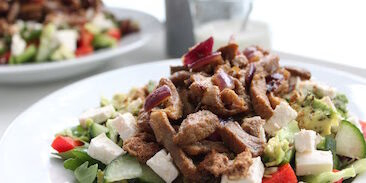
Read more
Oefeningen-met-een-kettlebel-1024x512
TrainingBy Bobby Stevens08-12-2022

7 Best Kettlebell Exercises

In this article about the 7 best kettlebell exercises: The kettlebell is a training tool that originally comes from Russia. By now, the kettlebell is indispensable in the fitness industry. Not surprising, as with one simple weight you can train your entire body. This makes this training method extremely effective. In a previous article, we already described the five benefits of kettlebell training. Want to practice yourself? In this article, we share 7 kettlebell exercises to help you get started. 7 best kettlebell exercises explained 1. Front Squat With this kettlebell exercise, you primarily train your leg muscles, but you also engage your back, glutes, and upper body. Perform this exercise with a kettlebell that is heavy enough and suitable for your abilities. Here’s how to perform the exercise: Stand with your feet shoulder-width apart. Grab the kettlebell with both hands and hold the weight at chest height with your elbows against or close to your body. Perform a squat by bending your knees and lowering yourself down. Keep your back straight and your feet flat on the ground. Do 8 to 12 repetitions and then set the kettlebell down again. 2. Kettlebell Deadlift The deadlift is a well-known exercise in weightlifting. This exercise is often performed with a barbell, but you will also find the deadlift in this list of kettlebell exercises. With the kettlebell deadlift, you primarily train your hamstrings and back muscles. Here’s how to perform this exercise: Place the kettlebell on the ground in front of you. Set your feet slightly wider than shoulder-width apart. Bend over the kettlebell so that it is in line with your shoulders. Engage your core and keep your back straight. Slightly bend your knees and hinge your hips back. Extend your arms until you can grab the kettlebell. Grab the kettlebell and push your hips forward to return to the starting position standing upright. Hinge your hips back again and bend your knees a bit until the kettlebell touches the ground again. Do about 8-12 repetitions (or more depending on the weight) and set the kettlebell back on the ground. 3. Kettlebell Swing Of all the kettlebell exercises, the kettlebell swing is one of the most well-known exercises. For some people, it is a fantastic exercise; others have a love-hate relationship with it. This is because it is a fairly technical exercise, and if you perform the kettlebell swing correctly, it is a tough workout. Here’s how to do the kettlebell swing: To perform the swing correctly, place the kettlebell slightly in front of you. Bend your knees and hinge your hips back, lowering yourself down. Grab the kettlebell with both hands and let it swing between your legs. Swing the kettlebell forward by explosively moving your hips forward. It is a smooth movement where you also extend your knees. The goal is for the kettlebell to reach about shoulder height during this movement. Repeat this movement about 15 times. Then stop the hip movement and let the kettlebell come to a stop between your legs. The muscles you train with the kettlebell swing The kettlebell swing is a great exercise to train the whole body. The muscles you train with the kettlebell swing are your hips, core, glutes, hamstrings, shoulders, and back muscles. This makes it a complete exercise that you really cannot miss in your kettlebell training. 4. Windmill Exercises with a kettlebell help you improve your strength, cardio, and flexibility. The windmill is one such exercise that also stretches your muscles. Both your hamstrings and the sides of your torso and groin will be stretched. At the same time, you train your oblique abdominal muscles and shoulders with these exercises. Here’s how to do this exercise. Stand with your feet shoulder-width apart and stand upright. Hold a kettlebell in your right hand. Extend your right arm so that the kettlebell is above your head. Push your hip sideways to the right and let your upper body lean to the left. It may help to move your left arm parallel down your left leg. If possible, look at the kettlebell in your right hand during this movement. 5. Thruster The thruster is a dynamic exercise that trains multiple muscle groups simultaneously. It is a combination of a squat and a push press, allowing you to train both your legs and upper body. Here’s how to do a kettlebell thruster: Stand with your feet hip-width apart. Grab the kettlebell with your right hand and press the weight against your chest. Go down into a squat position. As you come out of the squat, extend your right arm with the kettlebell. While standing fully, lower the kettlebell back against your chest. Perform about 8 to 12 repetitions. Then switch arms. 6. Russian Twist No list of kettlebell exercises would be complete without an exercise for the abdominal muscles. The Russian Twist is a well-known abdominal exercise that you can perform with or without weight. Here’s how to do the Russian Twist with a kettlebell: Sit down and place your feet flat on the ground. Make sure there is a kettlebell with an appropriate weight to your right. Lean your body back so that you are sitting at an angle of about 45 degrees. Extend your arms straight in front of you and pull in your belly button. Bring your hands to the ground to the right of your body. Twist until you feel a stretch in your side and pick up the kettlebell. Return to the center and bring your hands to the ground to your left. Twist until you feel a stretch and, if possible, tap the ground with the kettlebell. Complete 10 repetitions per side, for a total of 20. Is this difficult? Then try it first without weight and gradually increase the weight and number of repetitions. 7. Kettlebell Row The row is also a fairly well-known exercise that you can perform with a barbell, dumbbell, or kettlebell. With the Kettlebell Row, you train your back, legs, and upper body. It is also important to engage your core properly. You can perform this exercise in several ways. Start with one kettlebell and optionally place a bench nearby. Stand with your feet hip-width apart and slightly bend your legs. Bend your body forward and extend your right arm fully in front of your knees. You can lean with your left arm on a bench. Grab the kettlebell. From that position, pull your arms back towards your hips. Keep your core engaged and your upper body still. It is a pulling motion from your arm. Perform 8 to 12 repetitions and then switch sides. You can also perform this kettlebell exercise with two kettlebells at the same time or without a bench. Exercises with a kettlebell with a personal trainer in Haarlem These kettlebell exercises form a varied workout where you train many different muscle groups. This makes it an effective training that you can do on your own. However, it can be challenging to perform kettlebell exercises technically well. A personal trainer helps you with the correct execution and motivates you to take that extra step. Need help? Visit our studio for personal training in Haarlem . Advanced workout with a kettlebell Do you often train with a kettlebell and are you ready for a tough workout? Then you might know kettlebell master Eric Leija. An intense series of exercises with a kettlebell can be done if you want to take your training a step further.

Read more
100-bowl-640x320
NutritionBy Bobby Stevens10-09-2019

Recipe: Delicious Taco Bowl

In this article about the recipe for a tasty taco bowl: Bowls, the food trend of the moment. From buddha bowls and poké bowls to sushi bowls. But, also delicious is this tasty taco bowl! Simply the delicious filling in a bowl, without the taco 🥙. Great now that the sun is still shining and it's something different than your standard salad. Tip; eat the leftovers for lunch the next day! — Ingredients for 2 large servings: – 200 grams iceberg lettuce – 1 red bell pepper – 1 avocado – 100 grams corn – 100 grams red kidney beans – half a cucumber – jalapeno peppers to taste – 175 g (veggie) minced meat – 50 g crème fraîche – 50 g taco sauce – coriander or parsley — How do you make this tasty taco bowl? 1. Cut the iceberg lettuce, bell pepper, cucumber, and avocado into pieces. 2. Cook the minced meat until done. 3. Serve the iceberg lettuce, bell pepper, cucumber, avocado, beans, corn, and minced meat in a bowl. 4. Top with crème fraîche, taco sauce, jalapeno peppers, and coriander/parsley. Mix together and Enjoy! — Nutritional values: Calories: 461 Carbohydrates: 32.3 grams Proteins: 28.4 grams Fats: 23.6 grams Recipe for a tasty taco bowl explained For more recipes, check out the blog Also read: 5 breakfasts with more than 25 grams of protein · more articles on our blog · personal training at Daadkracht .
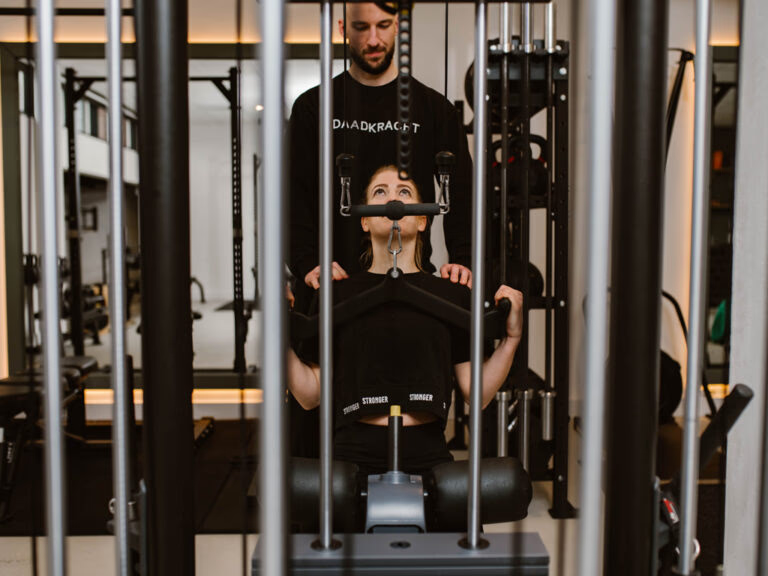
Read more
zuurkoolsalade-1024x512
NutritionBy Bobby Stevens20-02-2018

Recipe: sauerkraut salad with feta and olives

In this article about the recipe for sauerkraut salad with feta and olives: Sauerkraut is a vegetable that is often eaten in the autumn and winter! Especially in mashed potatoes, it is often used in combination with a lot of potatoes, sausage, and a thick layer of cheese. Of course, it's very tasty from time to time, but not always very healthy. You might not think of it right away, but sauerkraut is also great for a salad. Try incorporating this winter vegetable into a delicious salad. Check out the ingredients and try it yourself! Recipe for sauerkraut salad with feta and olives explained Ingredients 1 teaspoon honey 3 tablespoons olive oil 1 teaspoon paprika powder 1 teaspoon chili powder 250 grams drained sauerkraut 6 sun-dried tomatoes 100 grams feta cheese 100 grams black olives 1 spring onion 2 tablespoons parsley Preparation method Drain the sauerkraut well and then place it in a bowl. Cut the sun-dried tomatoes into strips and the spring onions into small rings. Mix them into the sauerkraut. Then crumble the feta over the sauerkraut and distribute the olives. Put a small bowl with the honey in the microwave for 10 seconds. Then make a dressing with the olive oil, paprika powder, chili powder, and 1 tablespoon of finely chopped parsley. Serve the sauerkraut salad with the dressing and garnish with the remaining parsley! Variation tip! Serve with a piece of steak. Add a handful of almonds or chopped walnuts for an extra crunch. Serve as lunch with some pieces of smoked chicken breast in it. Nutritional values A single serving of sauerkraut salad contains 235 kCal, of which 7 grams of protein, 21 grams of fat, and 4 grams of carbohydrates. Photo source: Cozymess.nl Also read: 5 breakfasts with more than 25 grams of protein · more articles on our blog · personal training at Daadkracht .
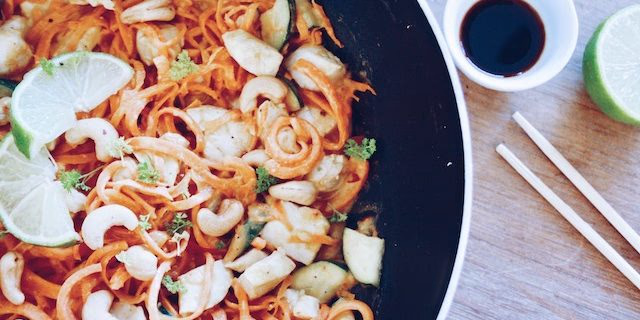
Read more
Cooling-down-oefeningen-voor-na-je-krachttraining-1024x512
LifestyleBy Bobby Stevens23-03-2023

Cooling down exercises after your strength training

Just a little stretching, a calming breathing exercise, or should you change right after a workout? With these cooling down exercises after your strength training, you not only pay attention to your fitness but also to your recovery. Cooling down exercises explained after your strength training Why do cooling down exercises You don't always feel like stretching extensively after a workout. Because let's be honest, often you just have to get back to work or to an appointment. Still, it is advisable to do cooling down exercises. In an article about the importance of cooling down exercises , we already explained that it is important to take good care of yourself after a workout. During a workout, your heart rate increases, and the active part of your nervous system is activated. By doing cooling down exercises after a workout, you can calm your nervous system and give your body the chance to recover. What are cooling down exercises There are various ways to cool down, such as moving slowly, stretching, or doing breathing exercises. Many cooling down exercises resemble exercises from yoga, each branch gives it a slightly different name. You do cooling down exercises after a workout. Usually, a cooling down lasts between 5 and 15 minutes. Five cooling down exercises after your strength training Do you find it difficult to come up with a cooling down routine yourself? To help you out, we have listed 5 cooling down exercises for after your strength training. A short practice of 10 minutes to calm your nervous system for optimal recovery of body and mind. For this cooling down, you only need a mat. 1. Child's pose After a workout, your heart rate is elevated. Child's pose helps you bring your energy back down. Sit on your mat and place your knees on either side of the mat. Bend forward with your upper body between your knees. Stretch your arms out in front of you or lay them beside you. Breathe deeply in and out towards your lower abdomen. 2. Cat-cow stretch A strength training session usually requires a lot of effort from your back and spine. Before you sit back behind a desk or step into daily life, it's nice to give this area some space with the Cat-Cow stretch. Place your hands and knees on your mat so that your back is 'a table'. On an inhale, lift your chin so that your back arches. On an exhale, bring your chin to your chest and round your back. Repeat this 10 times and move with your own breath. 3. Downward Facing Dog Your legs are also often stressed during strength training. In particular, the hamstrings are a vulnerable area for tension and injuries. With the Downward Facing Dog, you stretch your legs. From the Cat-Cow position, bring your hips back and stretch your arms out in front of you. With the weight at the back of your legs, slowly lift your tailbone until you are in a triangle position. Make sure your fingers are spread and push the mat away from you. Keep pushing your hips and buttocks back and feel the stretch in your hamstrings. Move your feet and legs in place so that you alternately feel the stretch in your legs and hamstrings. Repeat this for a few minutes. 4. Pigeon pose The area around the buttocks and hips becomes stiff quickly because we sit a lot. The Pigeon pose is a nice cooling down exercise after strength training to keep this area flexible. From Downward Facing Dog, place your right leg between your hands. Lay your shin horizontally on the mat and gently lower yourself down. Your left leg lies flat on the mat and you feel a stretch in your right buttock. If you have space, lean forward over your right leg. Otherwise, place your hands in front of you on the mat. Just feel how far you can stretch. Breathe into the tension in your right leg and hold this for a minute. Then switch sides, placing your left leg horizontally, your right leg flat on the mat, and seek the stretch in your left buttock and hip area. 5. Boxed breathing Your breathing speeds up during a workout. By consciously controlling your breathing, you can not only regulate your breath but also signal your nervous system to calm down. Boxed breathing is therefore a nice cooling down exercise after your strength training. Sit upright on your mat. Place one hand on your belly and one hand on your chest. On an inhale, your belly, diaphragm, and chest rise. On an exhale, your chest, diaphragm, and belly lower back down. First, see if you can find a rhythm, 4 counts in and 4 counts out. Then add a breath hold between the inhale and the exhale. Inhale for 4 counts, hold for 4 counts, exhale for 4 counts, hold for 4 counts. Repeat this for a few minutes. If you want to discover more breathing exercises, take a look here . Koen de Jong knows a lot about breathing in combination with sports. The power of recovery What did you think of these cooling down exercises? In our lifestyle studios in Haarlem and Heemstede , we not only focus on your sports performance but also on your lifestyle and recovery. This combination ensures that you can work towards optimal health in a sustainable way. Curious? Make an appointment for a trial lesson or stop by.

Read more
Personal-trainer-worden-768x576
TrainingBy Torito Marketing06-06-2023

How to become a personal trainer?

Are you also trying to convince your family to adopt healthy habits? That they should start exercising and choose water instead of soda? If I had to take a guess, I would say you have a passion for fitness and enjoy helping others. Maybe becoming a personal trainer is something for you. But, how do you become a personal trainer? How to Become a Personal Trainer Explained Let me explain that to you. Determine Your ‘Why’ You cannot give everyone who walks into the gym for the first time the same program. You first need to know why they are entering the gym. Are they training for a marathon? Do they want to build muscle mass? Without knowing this, the chance is small that a standard program is suitable. The same goes for yourself. Before you start as a personal trainer, it is important to determine your “ why .” You can only become a good personal trainer if you truly have a passion for helping others. Trainers who do it just for the money will often find themselves struggling quickly. Personal Trainer Education You cannot just start training because you have watched a few YouTube videos and look good yourself. Personal training goes beyond that. You need to present yourself professionally. The first step is to follow a training course. In this profession, Fitness Trainer A is a requirement. Here you learn the basics of anatomy, physiology, training theory, and nutrition. You learn how everything in the body works together and how to apply that during your training sessions. After this education, you can safely guide people through basic exercises. A Personal Training Follow-Up Course To really get started, it is helpful to follow the Fitness Trainer B course . Here you build on the knowledge you gained during Fitness Trainer A. You learn advanced training and coaching techniques. After this course, you will be able to guide people towards their specific goals. Not only do you now know what to tell your clients, but also how to tell them so they understand and can use it. Additionally, there are various advanced courses and training that greatly contribute to your knowledge and experience as a personal trainer. For instance, I have personally taken several courses with Overload Worldwide, such as T.O.P. Trainer and Mylogenics. Follow a Personal Training Internship Interning is an essential part if you want to become a good personal trainer. You only really learn to train when you gain experience in practice. By interning with an experienced personal trainer, you acquire knowledge that you can use to successfully guide your own clients. An internship is the fastest way to grow as a personal trainer. Here you will discover your talents and passions. Costs of personal trainer training But what are the costs of a Personal Trainer training? This is a question many people have before they enroll in a course. The costs can vary depending on the institution you enroll in and the training you choose. But rest assured, investing in your future as a Personal Trainer is definitely worth it! So don't see it as costs, you actually get something in return. That makes it an investment. Additionally, in some cases, the STAP-Budget is available, making a personal trainer training even more accessible. At the time of writing, the STAP-Budget is still available. There are plans to adjust this in the future. Choose your specialization and keep growing Personal trainers have various specializations. Some focus on weight loss, others on strength training, and others on sports performance or pregnant women. Choose a specialization that fits your interests and talents. But remember, it's not just knowledge you need. It also requires specific skills such as communication, motivation, and coaching. The people you work with often have insecurities, and it's important that you handle this professionally as a personal trainer. It's essential to develop these skills through gaining experience. See? The step to becoming a personal trainer isn't that big after all. If you have a passion for what you do, it's the best investment you can make. In this profession, you give meaning to your passion by helping others become healthier. Follow these steps, develop your skills, and make an impact in the lives of others! About us Daadkracht is a personal trainer Haarlem . At our two locations, we help our clients get the most out of their training on their way to a more vital life. We guide them not only in the gym but also with their lifestyle outside of it.

Read more
Vrouw-voert-deadlift-uit-1024x512
TrainingBy Bobby Stevens05-12-2024

Deadlifts: everything you need to know

The deadlift is a popular strength exercise and not without reason. By performing deadlifts, you train multiple muscle groups simultaneously. However, choosing the type of deadlift or executing the exercise correctly can be quite challenging. In this article, you will learn everything about this compound exercise. What is a deadlift? In this article about deadlifts, everything you need to know: A deadlift is a strength exercise where you lift a weight from the ground to hip height, primarily with a straight back and extended arms. It is one of the basic exercises in strength training and bodybuilding and targets multiple muscle groups at once, such as the lower back, hamstrings, glutes, quadriceps, and the core (abdominal and back muscles). Deadlifts everything you need to know explained What are the benefits of deadlifts? Performing deadlifts is definitely a good idea if you are starting with strength training, but even if you have been training for a while, this exercise should not be missed. Deadlifts are one of the most effective compound exercises and offer a wide range of benefits for strength, stability, and overall fitness. Here are the main benefits: Strengthening large muscle groups: By performing deadlifts, you strengthen various important muscle groups simultaneously. You train the muscles along your spine, as well as the smaller upper and lower back muscles. In terms of leg muscles, you train your quadriceps, hamstrings, and glutes. And with a deadlift, you also activate your abdominal muscles for a strong core. Improvement of functional strength: Deadlifts mimic everyday movements such as picking up heavy objects like grocery bags. This strengthens the entire body, allowing you to develop more strength and stability for daily activities and situations. Promotion of posture and stability: Regularly performing deadlifts helps to develop better posture by strengthening the core and back muscles. This corrects imbalances in the body and improves your overall body control. Improved sports performance: Deadlifts enhance explosive strength, which is useful for sports such as sprinting, soccer, and basketball. Thus, by performing deadlifts, you not only strengthen your muscles but also improve your speed, jumping ability, and overall physical performance. Versatility: Deadlifts have various variants such as sumo deadlifts , Romanian deadlifts , and trap bar deadlifts, allowing you to target specific muscles or goals. This is a significant advantage of this functional strength exercise as it makes it suitable for strength training, muscle growth, and even rehabilitation. Different types of deadlifts In mentioning the versatility as an advantage of deadlifts, we already noted several variants. By knowing the different variants, you can ensure variety and also tailor your training to a specific goal. At the same time, it can be challenging to choose the right variant without losing sight of proper technique. Here you will find the main types of deadlifts listed: 1. Conventional Deadlift Description : This is the standard deadlift where your feet are hip-width apart and your grip is outside your knees. You lift the bar from your hips all the way to the ground and back. Goal : Focus on the back, hamstrings, glutes, and grip strength. Suitable for : General strength building and beginners. 2. Romanian Deadlift (RDL) Description : You start standing, lowering the barbell just below your knees with a straight back and a slight bend in the knees. Then you bring the barbell back to your hips. Goal : Strengthening the hamstrings, glutes, and lower back. Less emphasis on heavy weights. Suitable for : Muscle isolation and flexibility improvement. 3. Sumo Deadlift Description : In this variant, your feet are wide apart (like a sumo wrestler) and your grip is inside your knees. Goal : Less strain on the lower back. More focus on the quadriceps and glutes. Suitable for : People with mobility limitations or long legs. 4. Stiff-Leg Deadlift Description : Similar to the Romanian Deadlift, but you keep your legs almost straight during the exercise. Goal : Isolate the hamstrings and glutes, with less emphasis on the knees. Suitable for : Improving hamstring strength and flexibility. 5. Trap Bar Deadlift (Hex Bar Deadlift) Description : Performed with a hexagonal bar (trap bar) , where you stand inside the bar and grab the handles. Goal : Less strain on the lower back and more focus on the quadriceps. Suitable for : Beginners, people with back issues, or as an alternative to traditional deadlifts. 6. Single-Leg Deadlift Description : You perform the exercise on one leg, usually with a dumbbell or kettlebell. Goal : Balance, core stability, and isolation of one side of the glutes and hamstrings. Suitable for : Functional strength and correcting muscle imbalances. The choice of deadlift depends on your goals, experience, and any limitations. Beginners can start with the Conventional Deadlift or Trap Bar Deadlift, while advanced athletes can also benefit from the other variants to address specific weaknesses. How to Avoid Common Mistakes in Deadlifts Deadlifts are technically challenging exercises that can significantly increase the risk of injury if performed incorrectly. Here are common mistakes in deadlifts and how to avoid them: 1. Rounded Back During the Lift Problem : A curved or rounded back puts unnecessary pressure on the spine and increases the risk of back injuries. Solution : Keep your back neutral throughout the movement. Engage your core and slightly pull your shoulder blades back. Practice first with a light bar or PVC pipe to learn the correct back position. 2. Too fast or jerky movement Problem : "Jerking" the barbell to use momentum reduces control and can cause injuries. Solution : Use controlled movements, especially in the initial phase of the lift. Pull slowly on the bar and build tension before lifting. 3. Hips rising too early Problem : Hips rise faster than the shoulders, placing more stress on the lower back. Solution : Ensure your hips and shoulders move up simultaneously. Focus on using your legs to initiate the movement, not just your back. 4. Bar too far from the body Problem : If the barbell does not stay close to your body, the leverage increases, causing extra strain on the lower back. Solution : Keep the bar as close to your shins as possible throughout the movement. Pull the bar towards you with your back muscles before you start lifting. 5. Poor starting position Problem : The feet, hips, or shoulders are not in the correct position, leading to an inefficient and dangerous lift. Solution : Position your feet shoulder-width apart (for Conventional Deadlift). Place the barbell above the middle of your feet. Keep your shoulders just above or slightly in front of the bar. 6. Overextension at the top Problem : Leaning too far back or overextending the back when completing the lift. Solution : Stop as soon as you are upright with your hips fully forward. Keep your back and core engaged to maintain stability. 7. Lifting too much weight Problem : Poor technique due to using weights that are too heavy for your level. Solution : Reduce the weight and perfect your technique first. Gradually increase to prevent injuries. 8. No tension in the core Problem : Not engaging the abdominal muscles can lead to instability and pressure on the lower back. Solution : Engage your core as if you are trying to brace for a punch to your stomach. Use the Valsalva maneuver (breathe deeply and hold your breath during the lift) to maintain tension. Deadlifts in your training schedule Whether you train at home or in the gym, you can easily integrate deadlifts into your training routine. First, make sure you know and master the correct technique of a deadlift variation. You can practice this with a light PVC pipe. Then, gradually increase the weight so that your technique does not suffer from the amount of weight. Once you have mastered the standard deadlift, you can try other variations, depending on your goal. Deadlifts at Daadkracht Deadlifts are an essential part of your training schedule, so make sure to include them to target different muscle groups and enhance your overall strength, stability, and fitness. By incorporating this strength exercise into your routine and continuously optimizing your technique, you will benefit from the advantages of this versatile exercise. Whether you want to get stronger, lose weight, or simply improve your overall fitness, deadlifts are a solid foundational exercise to work with. Need help? Book a free trial lesson at our studio in Overveen or Heemstede and work towards your fitness goals under the professional guidance of a personal trainer.

Read more
100-if-1-800x400
NutritionBy Bobby Stevens27-11-2019

Intermittent fasting: a miracle cure?

In this article about intermittent fasting as a miracle cure: With the new year approaching, good intentions will soon follow. But how do you lose those few kilos this year? A popular diet trend that you might want to try is intermittent fasting (IF). It is an old technique that is making a comeback in popularity. In this article, we discuss the pros and cons of IF, for whom it may be suitable and for whom it is not. And what does the science say about this form of eating? Intermittent fasting explained as a miracle cure What is intermittent fasting? Intermittent fasting, also known as IF, translates to interval fasting, which involves alternating periods of eating and not eating. During the fasting period, you only drink calorie-free beverages, such as water, tea, or coffee. Essentially, everyone does this; when you sleep, you fast, and when you are awake, you eat. This usually amounts to about 8-10 hours of not eating and 12-14 hours of eating. The most popular form of IF is delaying breakfast. The protocol used is 16/8, meaning 16 hours of fasting and an 8-hour eating window. An example of this is having the three main meals of the day at 11:00, 15:00, and 19:00, with fasting occurring between 19:00 and 11:00. Calories are generally not counted in this approach. Other protocols include alternate day fasting, 24/24, which alternates a day of eating with a day of not eating. Eat stop eat fasting is a form where you fast for 24 hours 1-2 times a week. There are also people who fast for 72 hours or longer. IF for fat loss IF is often used as a tool for weight loss. By creating a window, you tend to eat less frequently because there are fewer opportunities to eat in a day. For some people, this is a convenient way to reduce their daily calorie intake. In practice, this proves to be an easier tool for some than calorie restriction. Scientific research on the effects of IF in humans is scarce; most studies have been conducted on animals. In the research done on humans, the effect of a combination of IF and calorie restriction is often examined1,2,3 or the studies are of poor quality. Thus, it remains unclear whether the benefits come from IF or simply from the candidates consuming fewer calories. The advantages of IF compared to calorie restriction are: Better satiety after meals: due to the low meal frequency, you can allocate a larger number of calories per meal. If you don't move much or want to lose some weight and have a low calorie budget, this might be useful for you. You will feel more satisfied after each meal because you can eat larger meals. This makes it easier for some to stick to. Saving calories: when you often eat out for work, it is handy to have a large number of calories available in the evening. It can then be a good strategy to eat a bit less during the day. This makes losing weight easier when you frequently dine out. Time-saving: not eating in the morning saves time. You need to prepare fewer meals in a day. Skipping breakfast: some people find it difficult to eat breakfast right after waking up. For these individuals, it is ideal to postpone breakfast. But every advantage has its disadvantage, and so does IF. The disadvantages of IF are: Little appetite: with low appetite, consuming a few large meals in 8 hours is not ideal; you would prefer to divide them into several smaller meals. Overcompensating: do you quickly tend to overcompensate when you eat healthily or exercise hard for a period? Then IF is not recommended. There’s a good chance that during your first meal of the day, you consume way too many calories. Knowledge: if you don’t have much knowledge about nutrition yet, it’s also advisable not to start with IF. It’s better to track your nutrition for a while to gain insight into what you eat. This way, you not only eat less; you often eat healthier as well. Hunger: do you feel very hungry in the morning? Then it’s likely that you won’t be able to maintain IF for long. Eventually, your body will get used to the new rhythm, but this will take some time. So, if you want to start with IF, give your body time to adjust. Many meetings: do you have many meetings throughout the day? Then IF is also not a handy tool. The article on circadian rhythm mentioned that it’s best to eat at fixed times. If you have many meetings during the day, it’s illogical to schedule a meal every day at 11 AM, as you will often not have time for it. Insulin sensitivity: people with overweight often have poor insulin sensitivity. Eating breakfast early can help keep blood sugar levels under control, which leads to better control over appetite. IF is certainly not a miracle solution if the goal is weight loss; the energy balance remains paramount. There is no evidence that more fat is burned during IF or that metabolism increases; studies suggest that it actually decreases4. IF can only be used as a tool when it’s difficult to meet the calorie budget. It can be more pleasant to divide this into several large meals so that you feel more satiated. In practice, we do not often recommend IF as a tool for losing fat. It is primarily important that you gain insight into what you eat and what your body needs. Do you think after reading this article that IF might work for you? Give it a try! Just make sure you try it for at least 4 weeks so your rhythm can adjust. Keep in mind that IF is not a miracle solution. Other factors such as energy balance, nutrition, and recovery are much more important for achieving your results. IF and the immune system Intermittent fasting is mainly known for the stories about weight loss, which we discussed above. This is probably the reason you started reading this article. But did you know that the idea behind IF goes much further than that? IF could relieve the immune system, which can have a significant impact on chronic complaints such as Crohn's disease, irritable bowel syndrome, eczema, skin problems, lung issues, chronic fatigue, and ear-nose-throat infections. Before we delve deeper into how IF can play a role here, it’s important to know a bit more about how the immune system works. The role of the immune system is to keep toxic substances out of the body. Everything you eat and inhale that doesn’t belong in your body is filtered by the immune system. This immune system is largely located in the intestines and is therefore heavily dependent on nutrition. The intestines are incredibly complex, and their functioning not only affects how the inside of your toilet looks. The functioning of the intestines also influences, for example, performance, absorption (do vitamins and proteins actually reach your body?), and vitality. Additionally, gut quality is also extremely important for recovery. Not only recovery after workouts but also from a busy workday or recovery after a night of gourmet dining. A healthy gut flora is crucial for the proper functioning of the body. The first layer of cells on the inside of your intestines (the endothelial cells) determines whether a certain substance enters the body or not. Extremely important for the proper functioning of the intestinal wall are the so-called tight junctions. These are connections between the first layer of cells on the inside of the intestinal wall (endothelial cells). The tight junctions ensure that the cells are tightly connected to each other so that not just anything can pass through. A schematic representation of this can be seen below. Stress, excessive carbohydrate consumption, lack of exercise, Crohn's disease, and other chronic issues can cause the tight junctions to malfunction. The cells then do not hold together tightly, allowing toxic substances to enter the body more easily. When these tight junctions do not function properly, more toxic substances enter the body through the cells. This costs your body a lot of energy, as it has to defend itself against these toxic substances. This is where your immune system becomes active. Your immune system expels the intruding toxic substances through the intestines, kidneys, and liver. If the body fails in this, it activates secondary mechanisms. These are your lungs (through breathing), the skin (eczema, especially around the eyes), and through your mucous membranes (around the ears, eyes, and nose). A failing immune system is a significant burden on your body. This can result in unpleasant and often unexplained complaints such as Crohn's disease, irritable bowel syndrome, chronic complaints, fibromyalgia, chronic fatigue, eye-ear-or nose inflammation, and skin problems. Of course, we want to prevent (and heal) these unpleasant complaints. IF could play a role here. This is related to the Post Premeal Inflammatory Response (PPIR), which is the inflammatory response after eating. Everyone has a bit of inflammation in the gastrointestinal tract after eating. This inflammation does not completely disappear until 16 hours later. Most people, including sleep, never have a period of 16 hours without eating. This means that there is never a time when there is no inflammation in the intestines. When you have a daily period of 16+ hours without eating, the levels of inflammatory markers will significantly decrease5. This can help restore your intestines to good condition and ensure that the immune system is less burdened. Do you suffer from any of the above chronic complaints and want to test if IF works for you? Then supplement L-Glutamine during the initial period. This restores the tight junctions, allowing the cells in the intestines to be strongly connected again6. Starting with IF? Do you want to start with IF? Then try this for at least a period of 4 weeks so that your body can adjust to the new rhythm and you can actually gain insight into the effects. Start with a 16/8 protocol and eat, for example, 3 larger meals a day (11am, 3pm, 7pm). Make sure these meals contain enough vegetables, proteins, and fats. Eating 3 times a day vs. 6 times a day already saves 21 meals in one week! Just think about what this does to the inflammatory response in the intestines. During the fasting period, drink only water and tea (coffee if necessary in the morning). Do you experience physical discomfort during fasting, such as severe dizziness? Then consume a meal and consult with your trainer. It is important that you always feel good. Feeling hungry at first is completely normal, as your body needs to get used to not eating in the morning. Literature 1. Teng, N.I., Shahar, S., Manaf, Z.A., Das, S.K., Taha, C.S., Ngah, W.Z. (2011). Efficacy of fasting calorie restriction on quality of life among aging men. Physiol Behav, 2011( 104), 1059–1064. 2. Hussin, N.M., Shahar, S., Teng, N.I.M.F., Ngah, W.Z.W., Das, S.K. (2013). Efficacy of fasting and calorie restriction (FCR) on mood and depression among ageing men. J Nutr Health Aging 2013 (17),674–680. 3. Teng, N.I., Shahar, S., Rajab, N.F., Manaf, Z.A., Johari, M.H., Ngah, W.Z.W. (2013). Improvement of metabolic parameters in healthy older adult men following a fasting calorie restriction intervention . Aging Male, 2013 (16), 177–183. 4. Horne, B.D., Muhlestein, J.B., Lappé, D.L., May, H.T., Carlquist, J.F., Galenko, O., Brunisholz, K.D., Anderson, J.L. (2013). Randomized cross-over trial of short-term water-only fasting: Metabolic and cardiovascular consequences. NMCD, 23 (11), 1050-1057. 5. Faris, M. E., Kacimi, S., Al-Kurd, R.A., Farajeh, M.A., Bustanji, Y.K. Mohammed, M.K., Salem, M.L. (2012). Nutrition Research. 32 (12), 947-955. 6. Rao, R., Samak, G.(2012). Role of Glutamine in Protection of Intestinal Epithelial Tight Junctions. J Epithel Biol Pharmacol. 1 (7), 47-54. Also read: 5 breakfasts with more than 25 grams of protein · more articles on our blog · personal training at Daadkracht .

Read more
Vrouw-doet-krachttraining-voor-thuis-1024x512
TrainingBy Bobby Stevens27-06-2024

Strength training at home: schedule for beginners and advanced users

In this article about strength training for home schedules for beginners and advanced: You spend a lot of time at home with the kids, have little time due to work, or simply prefer to train at home rather than in the gym. How do you best approach strength training at home? We share tips for beginners and advanced. Strength training for home schedules for beginners and advanced explained What is strength training at home? Strength training is a form of training primarily used to build muscle mass. This makes it a suitable training method to achieve goals such as losing weight, feeling better in your body, or feeling more vital. In this article about building muscle mass , we already explained that with strength training, you provide a training stimulus to the muscles, causing them to become tense. That stimulus must be strong enough to stimulate the muscles and promote muscle growth. This means that the training must remain challenging, for example, in terms of the amount of weight and number of repetitions. Strength training at home therefore requires more creativity because you do not have access to the same materials as in the gym. In this article, we provide tips for beginners and advanced who want to start training at home. How to start strength training at home If you are just starting with strength training, you logically need lighter weights to stimulate the muscles. This makes it easier to start strength training at home. You simply reach the point where your muscles are fully stimulated more quickly. These tips will help you prepare for your strength training at home: Train with your own body weight In principle, you don't need much for strength training at home. By doing exercises with your own body weight, you can already put your muscles under tension. You can vary with different exercises, repetitions, and intensity. On YouTube, for example, you can find HIIT workouts for home or you can follow your own schedule. More on that later. Use household items Before you start your strength training at home, it can also be helpful to look around your house to see what items you have that you can use for your workout. Water bottles, a backpack with books, or just a mat that you can roll out can make your strength training at home a bit more comfortable. Set up a training space for yourself When you start strength training at home, you need to motivate yourself. It can help to set up a training space that makes you feel inspired and encouraged. You can approach this as big or as small as you want. For example, lay down a mat and place a music box next to it. Or buy your own training materials like a pair of dumbbells, a kettlebell, or a resistance band. By setting up a training space with nice items, you lower the threshold to start training at home. Strength Training at Home: Beginner's Schedule If you are a beginner in strength training, you don't need much more than a good schedule, your own body weight, and a place where you can train undisturbed. Ready for your strength training at home? This full body home workout without weights is perfect for beginners: 1. Squats Stand with your feet shoulder-width apart and slowly lower your hips to 90 degrees while keeping your back straight. Push your knees outward and extend your arms in front of you if necessary. This way, you perform a squat with your own body weight. Repeat this movement 15 times. 2. Incline push-ups Find a bench or ledge where you can do the push-up. Place your hands shoulder-width apart on the ground and come up on your toes. Keep your body and back as straight as possible. Lower your arms as far as you can. Keep your body stiff like a plank and do not touch the ground. Push yourself back up in a controlled manner until you are back in the starting position. If it's too hard, you can also come down on your knees and push up from there. Repeat this movement 15 times. 3. Lunges Step one leg forward and one leg back. Optionally, place your arms at your sides. Slowly lower yourself through your front leg until your back knee touches the ground. Then slowly come back up. Repeat 15 times with one leg, then switch sides and continue with your other leg forward. 4. Tricep dips Find a sturdy chair, bench, or cabinet to do this exercise against. Stand with your back to the furniture and place your hands backward on the edge. Position your legs a bit further out in front of you. Lower yourself with your arms until you can't go further and/or you almost touch the ground. The further you place your legs in front of you, the harder it gets. Repeat the movement 15 times. 5. Leg raises Lie on the ground with your legs extended in front of you. Press your lower back firmly into the mat and slowly raise your legs. Try to keep your legs straight. If this is not possible, you can bend your legs a bit more or place your hands under your buttocks. Repeat this movement 15 times. Have you done all the exercises once? Then do the round 2 more times so that you have completed 3 sets of each exercise. This way, you have a complete strength training session at home in the pocket. Strength Training at Home: Advanced Schedule If you have been strength training for a while, training with your own body weight may not provide enough challenge to stimulate your muscles. It can help to have a few dumbbells at home or to add weight in the form of household items like a backpack or a jerrycan filled with water. Other ways to seek more challenge include: Doing more repetitions of the same exercise until you feel you are close to muscle failure. Performing the exercises more slowly so that the time your muscles are under tension (Time Under Tension) is extended. Taking less rest between exercises or choosing more complex variations of the exercises. This full body home workout with weight and/or variation is suitable for advanced: 1. Jumping squats (with weight) Perform squats as described above. Add extra challenge by making the squats jumping. If you want even more variation, you can also do this with a bottle of water clenched in your hands or a backpack on your back. Repeat the movement 15 times or more if you feel you can do more. 2. Push-up Do the push-up as described above but without a bench. Do the push-ups on the ground and try to delay going to your knees for as long as possible. Repeat the movement 15 times or more if you feel you can do more. 3. Jumping lunges (with weight) Perform lunges as described above. Add extra challenge by making the lunges jumping and switching legs. If you want even more variation, you can also do this with a bottle of water clenched in your hands or a backpack on your back. Repeat the movement 30 times (15 times left forward, 15 times right forward). Or 40 or 50 times if you can do more. 4. Tricep dips (with weight) Perform the tricep dips as described above. Add extra challenge by placing weight on your legs or extending your legs as far out in front of you as possible. Repeat the movement 15 times. Or more if you feel it is not challenging enough. 5. Leg raises (with variation) Perform leg raises as described above. Add extra challenge by extending your legs as far out in front of you as possible. When you raise your legs, you can also lift your upper body and touch your toes for extra variation. Just make sure to keep your lower back pressed into the ground. Repeat this movement 15 times. Or more if you feel it is not challenging enough. Have you completed a round? Then repeat the exercises 2 or 3 more times for a complete workout. Combine strength training at home with personal training With these tips, you can easily get started with strength training at home! Do you want to combine the convenience of training in your own home with personal guidance? Then you can, for example, follow personal training once a week and also work on your own at home. This way, you learn more about strength training, get acquainted with different exercises, and can apply this further in your own training. Visit us for a free trial in one of our studios in Overveen or Heemstede.

Read more
Voordelen-van-krachttraining
TrainingBy Bobby Stevens29-06-2023

Strength Training for Women: Everything You Need to Know

In this article about strength training for women, everything you need to know: Strength training is no longer just for enthusiasts and male bodybuilders. More and more men and women are finding their way to the gym. And that's a good thing, because strength training is for everyone. Everyone benefits from it, and it’s an easy and especially fun way to combine exercise with daily life. In this article, we are happy to tell you more about strength training for women. Strength training for women: everything you need to know explained Starting to exercise: the first step towards a healthier life The importance of movement for health The list of health benefits from exercise is too long to mention. Regular physical activity helps you: maintain a healthy weight, reduce the risk of chronic diseases, and improve your mood. You probably know the benefits, but how do you start exercising? Choosing the right sport that suits you Start by choosing a sport that suits you. This way, you can stick with it in the long term. If you are just starting out, choosing a sport can be difficult. Will you go running? Cycling? Swimming? Again, there are many options. What many athletes have in common is that they do strength training. This helps them build a strong foundation for their main sport. But you can also choose to do only strength training. Strength training is versatile, and you can continue with it throughout your life by constantly seeking new challenges. Important tip Don't take on too much at once. If you are just starting, the temptation to do too much too soon is great. It’s best to set realistic goals and gradually build up your new routine. This way, you keep making progress and can sustain your strength training. Consider finding a workout partner. You can help each other stay motivated and add extra fun to exercising. What is strength training and is it also for women? Definition of strength training Strength training is a way of exercising where you use resistance (weight) to build muscle strength, muscle mass, and endurance. This doesn’t have to be done only with machines or weights; you can also use your own body weight. Benefits of strength training for women Strength training has many benefits for women as well. You are not only working on your strength but also on your bone density, reducing your risk of injury, and promoting weight loss. The importance of healthy muscles and bones is evident from research showing that hip injuries in later life can lead to death . Additionally, people with more muscle mass have a higher life expectancy . Strength training at home: how to train effectively at home Benefits of training at home If you are busy or do not yet feel comfortable in a gym, then training at home is an ideal solution. You can train in the comfort of your own home. This saves travel time to the gym or large groups of people that you find in a commercial gym. Required equipment and space We've mentioned it before, but you can even do strength training with just your body weight. People call this calisthenics or bodyweight training. Whatever you call it, it's a great way to start strength training. Have you mastered a few bodyweight exercises? Then consider investing in dumbbells, kettlebells, and workout bands. On the other hand, you have now built enough strength to go to a gym without feeling self-conscious. So think carefully about what you want to do. Do you want to start at a gym, but prefer not to be surrounded by a large group of people? Then consider looking into a personal gym . Example exercises for home There are many strength exercises you can do at home. If you're starting with bodyweight, you might consider these exercises: Squats Lunges Push Ups Planks Strength training for weight loss Strength training helps with weight loss If you want to start exercising to lose weight, then strength training is ideal. Not only does more muscle mass make you look good, it also boosts your metabolism. This means you burn more calories, even at rest. Muscles need calories for energy. More muscle means more burning. Want to read more? We've written an extensive blog for you: How many calories do I need? Nutrition and strength training for weight loss Do you want to tackle strength training properly from the start? Then it's essential to look at your nutrition. This applies not only to weight loss but also to increasing muscle mass and your overall health. It's important to eat enough protein to support muscle building, as well as plenty of vegetables, fruits, and whole grains for energy and nutrients. Want to know more? We've written an extensive blog for you with nutritional advice . This is important for weight loss If you want to lose weight, it's important to stay realistic. Online, we see many beautiful before and after photos. And we tend to compare ourselves to them. This is a quick way to become demotivated. What matters is how you feel. As long as you feel like you're making progress and have more energy, you're doing well. The results will come naturally. Stay on your own path, learn good habits, and don't look for shortcuts. This way, you'll see that you can lose weight sustainably. And the results of the online photos? The after photos are often taken at an optimal moment with optimal lighting. And who says the photos aren't heavily edited? So, be proud of your own results and perseverance. You can do this! Training Legs: The Best Exercises for Your Legs You Need Strong Legs Strong legs are not only attractive, they are also very important. Strong legs improve your performance and the overall functioning of your body. They help you with your balance and mobility and the strength in other parts of your body. Exercises for Training Legs Remember that your legs are not made up of just one muscle. You have your calves, hamstrings, quadriceps, and glutes. And these are all muscle groups that also consist of different muscles. That’s why there are hundreds of ways to train your legs. An optimal exercise uses as many of these muscle groups at the same time as possible. Think of: Squats Lunges Deadlifts (not for beginners) Step-ups Tips for Safe Training To prevent injuries, you need to pay attention to your form and technique during the exercises. Make sure to train all muscle groups in your legs for balanced development. The links in these blogs lead to YouTube videos where you can learn the correct execution of each exercise. Training Glutes Many people come to us with the question “how do I get bigger glutes?” The answer is “by training all your muscles evenly.” Because your glute muscles are part of a larger whole. Why Your Glute Muscles Are Important Your glute muscles ensure that you can move well and evenly. They also allow you to move explosively, for example by jumping or sprinting. Additionally, they play a crucial stabilization role when you stand or walk. It’s no surprise that they are one of the largest and strongest muscles in your body. Because we spend more and more of our lives sitting, many of us have underdeveloped glute muscles. Therefore, try to do exercises that also train your glute muscles. This way, you can prevent lower back pain. Exercises for Stronger Glutes To get stronger glute muscles, there are several exercises you can do: Squats Lunges Glute bridges Donkey kicks By doing these exercises, you will quickly notice that you move more smoothly and have less difficulty with activities like climbing stairs. Core Training What Is Your Core and Why Is It Important? Your core consists of the muscle groups that stabilize your body when you stand, walk, sit, or perform other movements. It mainly consists of your (side) abdominal muscles, hips, and lower back muscles. When your core is strong and stable, you can also generate more strength in other parts of your body. This means that you generally become stronger. Best Exercises for Core Training There are also many exercises you can do for your core. A few good exercises to start with are: Planks Russian twists Mountain climbers Once you have mastered these exercises, you can start looking for more challenging ones. Burning belly fat Many people do abdominal exercises with the idea of burning belly fat. The idea is not so crazy. Do exercises that target areas with excess fat, and you will burn the fat that is there . In reality, it works a little differently. Muscle and fat are separate and not directly connected. You burn fat all over your body, not in just one spot. So if you want to burn belly fat, pay attention to your energy intake and expenditure. When those two things are balanced, you will lose belly fat. Additionally, continue to do core exercises to become stronger throughout your entire body. Want to read more? We have written the following blog for you: Burning belly fat for women. Kettlebell training: a versatile training tool The benefits of kettlebell training for women One of the best workouts you can do when you start strength training is kettlebell training. Training with a kettlebell strengthens your entire body, from your legs and glutes to your core and back. It also improves your posture and endurance. Kettlebell workouts are quite intense. You will raise your heart rate and burn more calories. A good exercise to start with is the kettlebell swing . Additionally, there are many more benefits of kettlebell training . Safety guidelines for kettlebell training The kettlebell swing is an intense exercise where control and technique are important. So first focus on the technique to prevent injuries. Start with a lighter kettlebell and gradually work your way up to a heavier weight. Strength training schedule: a step-by-step plan The importance of a training schedule Progress in the gym mainly comes from one thing: a training schedule. This way, you know what you are going to do in each workout and what you did in the previous workout. Try to train a little heavier in each session than the last one. A good training schedule also includes your goals and forms a plan to achieve them. Clear goals help you stay motivated and see progress. Starting with a training schedule The exercises in your schedule depend on your goals and where you currently stand. A beginner trains differently than an advanced athlete, for example. For beginners, you could try the following schedule: Monday: Legs, glutes, abs Wednesday: Chest and back Friday: Arms and shoulders Use the exercises you have read about in this blog. If you are looking for a customized training schedule, including all exercises and repetitions, we recommend seeking guidance while exercising. Consider working with a personal trainer. Daadkracht is a personal trainer in Haarlem . We have already helped many people achieve a healthier lifestyle. One of the ways we do this is through customized training schedules. With these schedules, our clients make more progress than they would have alone in a gym. Are you also considering starting and do you live near Haarlem? Then contact us. Strength training is important for women Strength training is a great choice for women who want to improve their health, strength, and body. With a little perseverance and the right approach, anyone can experience the benefits of strength training. Start slowly with the training schedule from this blog and try out the exercises. FAQs Is strength training safe for women? Yes, strength training is completely safe for women, as long as it is performed correctly. Can I start strength training if I have never trained before? Absolutely, it is never too late to start strength training. Start slowly and gradually build up your workouts. Do I need to go to the gym to do strength training? No, you can also do strength training at home with minimal equipment. Read more about this in the blog above. How often should I train for optimal results? In general, it is recommended to do strength training at least 2-3 times a week. This way, your body gets enough stimulus to burn energy and build muscles while also allowing for sufficient rest. What should I eat to support my strength training? A balanced diet with enough proteins, carbohydrates, and healthy fats is essential to support your training. For more information on nutrition, we refer you to our blog with nutritional advice .

Read more
Spruitjes
NutritionBy Bobby Stevens06-12-2017

Recipe: Brussels Sprouts à la Bram

In this article about Brussels sprouts à la Bram: Winter is just around the corner, and supermarkets are responding accordingly. The shelves are filling up with winter produce like pumpkin, endive, and Brussels sprouts. Of course, you can prepare them the Dutch way with a piece of meat and a potato, but a bit of variety is also nice. Bram is a regular at Daadkracht and surprised us with a tasty Brussels sprouts recipe with an Asian twist. The dish is also healthy and delicious, which is exactly what we love at Daadkracht. We’re not stingy and are happy to share this recipe with you: Brussels sprouts à la Bram, here it comes. Brussels sprouts à la Bram recipe explained Ingredients 200 grams of Brussels sprouts 1 bag of Chinese stir-fry vegetables 100 grams of bacon bits curry paprika powder Preparation method Cut the Brussels sprouts in half. Place a wok on the heat and add the Brussels sprouts. Add 2 cups of water, cover the pan, and let steam for 15 to 20 minutes. Meanwhile, fry the bacon bits in a separate pan and let them drain on a paper towel. Season the Brussels sprouts with curry and paprika powder. Add the stir-fry vegetables and stir-fry everything until cooked. Serve the Brussels sprouts with the bacon bits. Enjoy! Variation tips For example, serve with chicken legs (Bram's tip) or meatballs. Leave out the bacon bits if you want a healthier version. Nutritional values A serving of Brussels sprouts à la Bram (125 grams) contains 70 kcal without the bacon bits, of which 0.3 grams of fat, 9 grams of carbohydrates, and 3.4 grams of protein. Additionally, it is rich in vitamin C (85 mg), Calcium (42 mg), and Magnesium (23 mg). With bacon bits, the meal contains 178 kcal, of which 8.7 grams of fat, 9.28 grams of carbohydrates, and 10.8 grams of protein. Read also: 5 breakfasts with more than 25 grams of protein · more articles on our blog · personal training at Daadkracht .
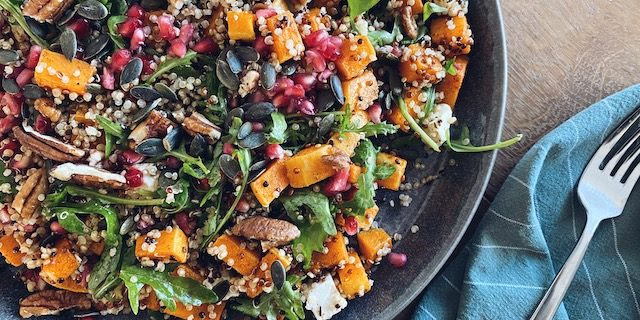
Read more
Afvallen-met-krachttraining-voeding-1024x512
TrainingBy Bobby Stevens06-03-2025

Losing weight with strength training: What you need to know

In this article about losing weight with strength training, here's what you need to know: Do you want to feel better in your body, lose some pounds before summer starts, or simply reach a healthy weight? Then losing weight with strength training is a good idea. Here's what you need to know before you start. Losing weight with strength training: what you need to know explained The basics of losing weight: burning calories If you want to lose weight, you often think directly about the end goal you have in mind. However, it’s important to become aware of what losing weight actually is, so you know what you’re getting into and how to approach it best. Losing weight is fundamentally very simple. If you burn more calories than you consume, you will lose weight. If you burn fewer calories than you take in, you will gain weight. Of course, there are nuances, and one metabolic system works differently than another. But your energy intake plays a significant role if you want to lose weight. Additionally, movement helps you burn calories. The type of movement you choose also influences your weight loss. Losing weight with strength training or cardio training? Hockey, running, or strength training: these are all examples of activities that burn calories. However, they do not all have the same effect on your body and your metabolic system. How many calories you burn with a particular type of exercise largely depends on your weight and the intensity of the movements. In the example below, you will find an overview illustrating the effect of various forms of exercise on your metabolism. 60 kg - Running (30 min, 10 km/h): 310 kcal - Hockey (30 min): 145 kcal - Strength training (30 min): 100 kcal 80 kg - Running (30 min, 10 km/h): 410 kcal - Hockey (30 min): 190 kcal - Strength training (30 min): 135 kcal When you look at this overview, it’s immediately clear that you burn the most calories with cardio training. However, your energy intake and the number of calories you burn are not the only important factors if you want to lose weight. Therefore, let’s dive deeper into the benefits of losing weight with strength training. Three benefits of losing weight with strength training Eating fewer calories and burning more calories is fundamentally what helps you lose weight. However, losing weight is not just about your calorie consumption and the number on the scale. You probably find it especially important to feel good in your skin and be happy with how you look. In this, your body fat percentage, muscle mass, and the balance between the two play an important role. And that’s where strength training comes into play. Losing weight by eating less and moving more is relatively straightforward, but lowering your body fat percentage and maintaining (or increasing) your muscle mass requires a targeted approach. When you lose weight, you lose both fat and muscle mass. By only doing cardio training, you lose both fat and muscle mass. Therefore, losing weight with strength training has advantages because with this form of training, you lower your body fat percentage while building your muscle mass. Here are some benefits of losing weight with strength training summarized. Increasing and Maintaining Muscle Mass With strength training, you effectively train your muscles, allowing you to build muscle mass. If you only choose forms of exercise that do not train your muscles, your body may start to look flabbier and less toned. Losing weight with strength training helps you maintain or increase your muscle mass, making your body look firmer. And that is often what you want. If you are just starting to lose weight with strength training, the number on the scale may not drop as quickly as you would like. This is because muscle mass weighs more. Therefore, try not to focus too much on the number, but rather on how you feel in your body and whether you are happy with how you look. Increasing Caloric Burn The impact on your muscle mass is not the only benefit of losing weight with strength training. Muscle tissue is active tissue that burns calories even at rest. By increasing your muscle mass, you also increase your caloric burn throughout the day. This not only ensures a healthy metabolism but also contributes to weight loss. Compared to cardio training, you may burn fewer calories during strength training, but the afterburn is significantly greater. This is also known as the afterburn effect and is a major advantage of losing weight with strength training. Improving Fitness Another benefit of losing weight with strength training is that your overall fitness improves. While cardio training primarily works on your endurance, strength training focuses on your stamina and muscle strength. As a result, you become more vital and better able to handle all daily activities, such as chasing after your children or carrying groceries. Losing weight with strength training not only contributes to a firmer body but also to a body in which you feel fit and strong. These are the three main benefits of losing weight with strength training. Do you want to lose weight and wonder which form of exercise is best for you? We definitely recommend doing strength training. For variety, combine strength training twice a week with cardio training once or twice a week (depending on the time you have). Nutrition & Losing Weight with Strength Training Not only your exercise but also your nutrition is important if you want to lose weight. All the calories you consume must ultimately be burned off. Nutrition plays a significant role when you want to lose weight. There are various ways to lose weight with the right nutrition. However, it is important not to go on a crash diet or rely on meal replacements. Healthy weight loss requires a carefully chosen number of calories per day ( you can calculate that here, for example ) and a balanced diet with the right amounts of proteins, carbohydrates, and fats. Want to know more about healthy weight loss? These tips will help you sustainably reach your goal. Weight Loss with Strength Training at Daadkracht Do you want to lose weight with strength training and could you use professional help and personal attention? At Daadkracht, we focus on training, nutrition, and recovery to optimally assist you in achieving your personal goals. Book a free trial lesson in our studios in Overveen or Heemstede.

Read more
100-muesli-640x320
NutritionBy Bobby Stevens12-09-2019

Recipe: Homemade Muesli

In this article about the homemade muesli recipe: Muesli! 🥜 For those who like to sprinkle a bit of muesli over their quark; a delicious recipe for homemade muesli full of nutrients and without any junk. You can completely adjust this recipe to what you have at home, or which nuts and seeds you like. The protein powder can also be omitted if desired. Homemade muesli recipe explained Ingredients for approximately 900 grams of homemade muesli (+/- 30 servings of 30 grams) – 130 grams almonds – 100 grams pecans – 150 grams rolled oats – 65 grams sunflower seeds – 65 grams pumpkin seeds – 40 grams ground flaxseed – 30 grams protein powder – 90 grams coconut chips – 2 tbsp peanut butter (or almond butter) – 2 tbsp coconut oil – 80 ml water – 4 tbsp freeze-dried strawberries – 1 tsp vanilla extract – a few drops of stevia or 2 tbsp honey/sugar – 1 tbsp cinnamon – pinch of salt Preparation method 1. Preheat the oven to 150 degrees. 2. Chop the nuts and mix them with the rolled oats, seeds, and coconut chips. 3. Mix the peanut butter with the oil, cinnamon, salt, sweetener and/or sugar, protein powder, water, and vanilla extract. 4. Stir both mixtures together. Spread it out in a baking dish and press down firmly. 5. Bake until crispy for 30-40 minutes. — Nutritional values per 30-gram serving of homemade muesli : Calories: 133 Fats: 11.4 grams Proteins: 4.4 grams Carbohydrates: 2.8 grams For more recipes, check out the blog Also read: 5 breakfasts with more than 25 grams of protein · more articles on our blog · personal training at Daadkracht .
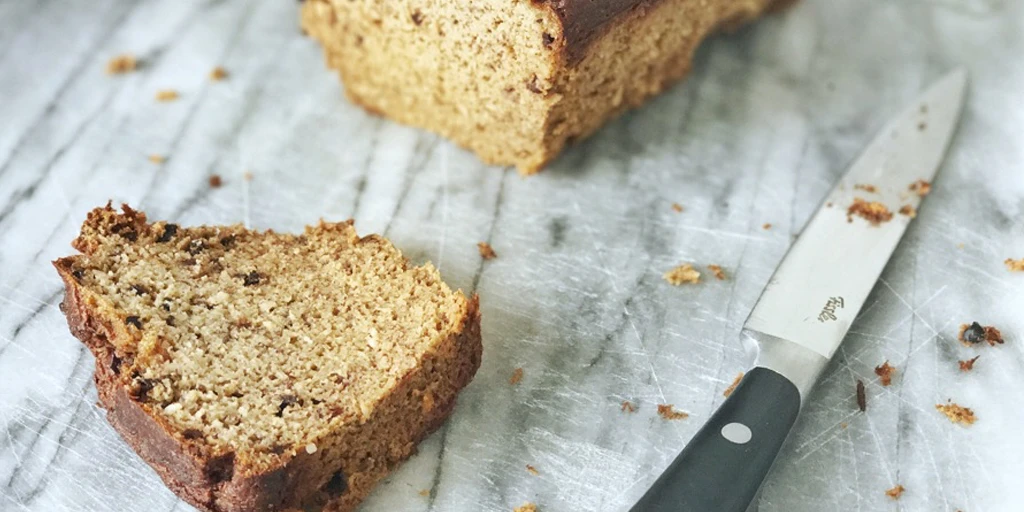
Read more
6-1024x512
TrainingBy Bobby Stevens14-12-2023

7 Proven Benefits of Exercising During Pregnancy

Getting enough exercise, taking enough rest, eating enough: when you're pregnant, a lot comes your way and you have to consider many things. How do you take the best care of yourself during your pregnancy? Training is definitely a good idea. Here are 7 proven benefits of exercising during your pregnancy. Exercising during your pregnancy It's no news that exercising is healthy. We know that getting enough movement is good for both body and mind. Exercising makes you stronger, helps you feel more energetic, and boosts your overall well-being. This doesn't change when you're pregnant. In fact, exercising during your pregnancy is particularly important. Your body is carrying a growing baby, and you need to give birth. A strong and fit body helps with that. Want to know more about the importance of exercising during your pregnancy? You can read about it here. 7 proven benefits of exercising during your pregnancy Strength training during pregnancy has various benefits, provided the exercises are performed safely and appropriately. Here are seven proven benefits of exercising during your pregnancy. Stay fit and strong Your body changes during pregnancy. With strength training, you increase your muscle strength, allowing your body to remain strong and enabling you to continue with your daily activities. It also helps improve circulation (ensuring the placenta is well supplied with blood!) and keeps your joints flexible. Reduction of pregnancy discomforts Getting enough physical activity helps reduce pregnancy discomforts. Due to the increasing weight of the baby, you may experience back pain and other physical discomforts such as pelvic and ligament pain. With strength training, you can conquer those discomforts. Support for mental health It's no secret that exercise leads to a better mood. Physical activity produces substances in your body that promote your mental health. When you're pregnant, a lot changes in your hormonal balance. Exercising during your pregnancy helps you continue to produce those happy substances. Want to do more to boost your hormonal balance? A healthy diet and a conscious lifestyle can help. You can find many tips and advice on this via Iris de Goede . Preparation for childbirth Childbirth is a workout in itself! By exercising during your pregnancy, you optimally prepare your body for it. Strengthening certain muscle groups, such as your pelvic floor muscles and learning to utilize your breathing, can facilitate childbirth. Better sleep quality With strength training, you stimulate the functioning of various processes in your body, such as your digestion, blood pressure, and stress levels. The better these processes work together, the easier it is for you to relax and fall asleep at night. Improvement of posture and balance Due to the increasing weight of the baby, various muscle groups come under pressure, and injuries can occur due to poor posture. With strength training, you can train your back and pelvic floor muscles, making it easier to maintain good posture. In addition to these muscles, you also train other muscles in your body, helping you stay balanced and allowing you to carry the baby well even after childbirth. Faster recovery after childbirth The fitter you are when you enter a competition, the faster you recover. This also applies to a physical challenge like childbirth. By doing strength training during your pregnancy, you support your body, your fitness, and your muscle strength so that you can recover faster after giving birth. Careful training during your pregnancy Do you want to experience the benefits of training during your pregnancy? Then it is important to be careful with strength training during your pregnancy. Don't just start lifting weights at the gym on your own. Choose modified exercises that are safe for pregnant women and avoid excessive strain. Also, consult with your doctor or midwife before you start training, especially if there are complications or if you were relatively inactive before your pregnancy. Do you want to train during your pregnancy under professional guidance? At Daadkracht, we offer pre- and postnatal fitness for women so you can work responsibly towards a strong female body. Book a free trial for a screening and more information.

Read more
Alles-wat-je-moet-weten-over-deadlifts-768x509
TrainingBy Bobby Stevens14-10-2023

The importance of exercising during your pregnancy

Fewer pregnancy ailments, better posture, and fit for childbirth: these are just a few benefits of staying active while expecting. The importance of exercising during your pregnancy? We explain it to you and share 5 exercises to help you get started. The importance of exercising during your pregnancy explained The importance of exercising during your pregnancy A pregnancy is an exciting and transformative time for a woman. Your body changes, and new life is growing in your belly. It is essential to take good care of yourself. You may think primarily about getting enough rest and taking on fewer tasks, but staying active is just as important. In this article, we share the importance of exercising during your pregnancy for both you and your baby. A solid foundation for mother and baby In addition to the changes in your life, your body also undergoes many changes due to pregnancy. Your body is the foundation for your baby's development. Your growing belly requires more strength from your muscles. Your joints are also more stressed due to the increasing weight. This clearly illustrates the importance of exercising during your pregnancy. With strength training, you ensure a strong body that can handle the changes in load, allowing you to optimally support your baby's growth. Additionally, strength training also supports you on a mental and emotional level. When you are expecting, your hormone levels change, and you may feel more emotional. By exercising, you support the production of hormones that keep your brain happy and healthy. Thus, strength training during your pregnancy is also a boost for your balance and resilience. 5 strength exercises during your pregnancy Strength training is therefore essential for a strong body during pregnancy. Want to get started? These 5 strength exercises are specifically suitable for pregnant women and can be performed at home or in the gym. Squats Strong leg and glute muscles are essential during pregnancy. Your legs need to support an increasingly growing belly, and with strong glutes and legs, you support your core and maintain good posture. Performing squats is a good strength exercise because it trains your glutes as well as your thighs and hamstrings. In this video, you can see how to perform a squat correctly: Lunges Another good exercise to train your glutes and legs during pregnancy is performing lunges. With lunges, you train your legs independently of each other. This requires more coordination, which means you are also training balance and stability along with strength. You can do this exercise at home without weights or in the gym with more resistance. An ideal exercise to increase your strength and balance during pregnancy. Planks There is often confusion about doing abdominal exercises during pregnancy. Strong abdominal muscles are important for carrying your baby, but as your belly grows, the abdominal muscles also shift. This can lead to diastasis, where the rectus abdominal muscles are pulled apart. Therefore, it is important not to do exercises that exacerbate this process. However, you can still do abdominal exercises that do not 'pull apart' your abdominal muscles, such as planks. This way, you still train your core while considering the changes in your body. Bridge Carrying a child requires strength from your legs, glutes, abdominal muscles, and back muscles. With the Bridge exercise , you train all these muscles simultaneously and work on a strong core. You can perform this exercise with or without weights, depending on how fit and strong you already are and how far along you are in your pregnancy. Bench press In addition to focusing on your legs, glutes, and core, you should not forget to train the rest of your body. Although your shoulders, arms, and chest are not directly involved in carrying your child during pregnancy, you do need a strong upper body in your daily life. For example, for carrying groceries, and after giving birth for carrying your child. The Bench Press is a great exercise to strengthen your upper body . Safety first With strength training during your pregnancy, you ensure a strong body to carry your child during and after pregnancy. If you do strength training during your pregnancy, it is essential that you perform the exercises correctly. There are a number of muscle groups that require extra attention when you are expecting. For instance, you need to be careful when training your abdominal muscles, and proper breathing is important for the pressure on your pelvic floor. In this article , you can read more about training during your pregnancy and the do’s and don’ts to keep in mind. Responsible training during your pregnancy Do you want to train during your pregnancy but don't know where to start? Do you need quality guidance? At Daadkracht, we offer strength training for pregnant women for an optimal pregnancy and childbirth with a strong body. Book a free trial lesson to assess your personal situation and create a training plan.

Read more
Ziekzijn-1024x512
NutritionBy Bobby Stevens30-01-2018

Which supplements can help when you have the flu?

In this article about which supplements can help when you have the flu: From time to time, a flu wave sweeps through the country, and it's that time again. If you haven't been affected yet, you probably know several people around you who are incredibly congested or even have the flu. Of course, healthy nutrition and sufficient training are essential to stay fit, but what if you are already down with the flu? What can you do to feel better quickly? We have the answers! Which supplements can help when you have the flu explained Your immune system is essential in the prevention and combat of flu and colds. This is the body's defense system to keep intruders like pathogens out. A balanced diet with plenty of vegetables and fruits ensures a strong immune system. Research shows that certain dietary supplements can also contribute to a strong immune system and combat pathogens. Echinacea Echinacea is a plant species that contains medicinal substances. It boosts resistance and can combat symptoms like colds, blocked sinuses, and a sore throat. The substances found in the plant strengthen the immune system, improve the absorption of vitamin C, and enhance gut flora. Echinacea is better known as echinaforce tablets as a supplement and can certainly help you recover from the flu faster. Elderberry Elderberry is known in the Netherlands as the elderberry. Various studies have investigated its medicinal properties, and the results are promising. Several findings indicate a positive effect in combating colds and, in some cases, flu. However, more research needs to be done to solidify these results. It is available in supplement form as Elderberry Extract. You can also make elderberry juice yourself, but be careful, as if not done correctly, it can even be toxic. Glutamine Glutamine is an amino acid involved in many important processes in the body. It is a building block for muscle growth and recovery, responsible for good brain function, and necessary for a well-functioning immune system. It is often seen as a non-essential amino acid because your body produces it on its own. However, under certain conditions, such as severe flu, a glutamine deficiency can occur. Various studies show that supplementing with glutamine can help combat the flu. It is available at Daadkracht in powder form! Vitamin C Vitamin C is a well-known and frequently mentioned supplement to combat flu and colds. The body is not able to synthesize this substance on its own, making you completely dependent on diet and supplementation. Vitamin C protects against pathogens, strengthens the immune system, ensures a well-functioning nervous system, and contributes to energy supply. This effect has been extensively researched and confirms that vitamin C can prevent illness. However, less research has been done on the effect of vitamin C once the flu has already broken out. Some studies show that it can shorten the duration of a cold, but whether it actually contributes to combating the flu requires more research. Conclusion A healthy diet with plenty of vegetables and fruits is, of course, the foundation for getting better and staying well. Various studies show that the above supplements can help replenish deficiencies in the body and strengthen your immune system. Are you struggling with the flu or a cold? With these tips, you hopefully will recover faster! Source: “Which supplements for the cold and flu?” examine.com Also read: 5 breakfasts with more than 25 grams of protein · more articles on our blog · personal training at Daadkracht .

Read more
forelsalade-1024x512
NutritionBy Bobby Stevens21-03-2018

Recipe: lunch salad with smoked trout

In this article about the recipe for lunch salad with smoked trout: A salad is a light and nutritious meal to enjoy for lunch. But perhaps you recognize that you often fall back into the same combination? For example, that Caesar variant with smoked chicken, avocado, and parmesan. Recently, we came up with a new salad that we are very excited about. Luckily, we are not stingy and share this recipe to inspire you. Here it is! Recipe for lunch salad with smoked trout explained Ingredients (1 person) For the salad 75 grams smoked trout fillet 50 grams spinach 50 grams arugula 1/2 red bell pepper 3 cherry tomatoes 1 large carrot 1 spring onion 1/2 avocado For the dressing 1 tablespoon low-fat quark 1/2 teaspoon dill 1/2 teaspoon parsley pepper and salt 3 drops soy sauce a bit of lemon juice Preparation method Wash the vegetables and cut them into pieces. In a bowl, combine all the ingredients for the dressing and dilute with water to create a liquid dressing. Place the salad and the other ingredients in a bowl or container to take with you. Top with the trout and finish with the dressing. Et voilà, a light and nutritious lunch! Variation tips If you want something more filling, add a boiled egg! For an extra crunch, it's also nice with a handful of almonds mixed in. Nutritional values A salad with smoked trout contains 220 calories, of which 12.8 grams of carbohydrates, 5.7 grams of fat, and 22 grams of protein. Smoked trout is rich in protein and fits perfectly within a balanced and healthy diet. Also read: 5 breakfasts with more than 25 grams of protein · more articles on our blog · personal training at Daadkracht .

Read more
Krachttraining-voor-vrouwen-in-de-overgang
TrainingBy Bobby Stevens27-02-2025

Everything about strength training for women in menopause

In this article about everything regarding strength training for women in menopause: From hot flashes and sleep problems to mood swings and weight gain, menopause can have a significant impact on your quality of life as a woman. One of the most effective ways to alleviate these complaints and support your overall health is strength training. In this article, you will discover why strength training is so important for women in menopause and how to get started. Everything about strength training for women in menopause explained What happens during menopause in your body? Menopause, also known as the climacteric, is the period when menstruation stops and hormone levels, especially estrogen and progesterone, change significantly. This leads to a number of symptoms that women in menopause may experience such as: Hot flashes Sleep problems Mood swings Fatigue Weight gain (especially around the abdomen) Additionally, one of the most significant changes is the loss of muscle mass and bone density, which can affect both physical strength and bone health. Fortunately, strength training can reduce and even reverse these effects. Benefits of strength training for women in menopause Studies show that strength training for women in menopause has various health benefits. The five main benefits are outlined below. 1. Building and maintaining muscle mass During menopause, the production of estrogen decreases, and this hormone affects the maintenance of muscle mass. Strength training for women in menopause helps to prevent muscle loss and even build muscle mass. Muscles burn more calories at rest than fat tissue , which helps manage weight gain and improve overall metabolism. 2. Strengthening bones Estrogen plays a crucial role in maintaining bone density in addition to preserving muscle mass. Due to the decrease in estrogen during menopause, the risk of osteoporosis (bone loss) increases. Strength training has been proven effective in strengthening bones , as it increases bone density by placing stress on the bones. This makes the bones stronger and is one of the best ways to prevent osteoporosis later in life. 3. Reduction of stress, improvement of mood Strength training is not only good for the body but also for the mind. It stimulates the production of endorphins, also known as 'happiness hormones' because they improve your mood and reduce stress. Many women in menopause experience mood swings and even depression, but regular strength training can help alleviate these symptoms. 4. Reduction of fatigue, improvement of energy levels Although menopause is often accompanied by fatigue and a lack of energy, strength training for women in menopause can actually provide an energy boost. By strengthening muscles and improving your endurance, you will feel less tired and be better able to engage in your daily activities. 5. Improvement of sleep quality Hot flashes and night sweats can significantly disrupt sleep, but strength training for women in menopause can be a solution. Regular physical activity improves sleep quality and can help you sleep deeper and longer. How do you start strength training for women in menopause? If you don't have much experience with strength training, it can be a bit of a search at first. But even if you are already an experienced strength athlete, it can be challenging to find what works and what doesn't due to the changes in your body. These tips will help you get started with strength training for women in menopause: 1. Start slowly If you are new to strength training , begin with light weights or bodyweight exercises such as squats , lunges, and push-ups. Gradually increase the intensity and weight as you get stronger. 2. Focus on the major muscle groups Make sure to perform exercises that engage multiple muscle groups at once, such as deadlifts, squats, and bench presses. These exercises are not only effective for building strength but also improve the overall functionality of your body. 3. Work with a qualified trainer If you are unsure about your technique or choosing the right exercises, consider working with a certified personal trainer. This can help you create a tailored workout that meets your needs and goals. 4. Vary your training routine By regularly changing your strength training routine, you prevent your muscles from getting used to the same exercises. Variation keeps the workouts interesting and ensures that you continue to challenge your muscles optimally . 5. Listen to your body It's important to listen to your body and not train to the point of overexertion. If you experience pain or don't feel well, take a break and adjust your schedule to your body's needs. Strength training should be a positive and empowering experience, where you can challenge yourself, but it shouldn't hurt. Strength training: the key to health during menopause Strength training for women in menopause is an effective way to enhance your health, alleviate menopausal symptoms, and maintain a healthy body. By regularly engaging in strength training, you can not only preserve muscle mass and bone density but also improve your energy, boost your mood, and promote your overall well-being. Plenty of reasons to start strength training today and experience the benefits for yourself. Need help? Don't hesitate to get in touch or schedule a free trial lesson at our personal training studios in Overveen or Heemstede.

Read more
Broccolirijst-bowl-met-ketjap-kip-bimi-1024x512
NutritionBy Bobby Stevens26-09-2024

Broccoli rice bowl with soy sauce chicken & bimi

Broccoli Rice Bowl with Soy Sauce Chicken & Bimi In this article about broccoli rice bowl with soy sauce chicken bimi: Looking for an original and nutritious recipe to make with broccoli rice? This bowl with soy sauce chicken and bimi is an Asian surprise packed with vegetables and various flavors. Just wait, before you know it, this recipe will be one of your favorites. Broccoli Rice Bowl with Soy Sauce Chicken Bimi Explained Broccoli rice has been available in almost every supermarket for a few years now. It is a nutritious substitute for rice if you want to eat fewer carbohydrates, but also a fiber-rich addition to salads or bowls. This way, you get plenty of vegetables and vitamins without feeling like you're chewing through an entire broccoli stalk. With this green powerhouse, you can vary a lot, and our current favorite is this recipe for broccoli rice bowl with soy sauce chicken & bimi. Here’s how to make it. Ingredients for Broccoli Rice Bowl (2-3 people) For this broccoli rice bowl, you obviously need broccoli rice. We also use bimi for this recipe, a sister of broccoli and a cross between broccoli and asparagus with a nice bite. The soy sauce chicken, along with the other vegetables and flavor enhancers, makes this recipe a nutritious and tasty dish. Here’s what you need for this broccoli rice bowl: For the base 400 grams of broccoli rice 1 bag of bimi 1 red bell pepper 1 can of lentils (60 grams) 1 shallot 1 clove of garlic Optional: curry spices For the chicken 1 handful of mushrooms 500 grams of chicken thigh fillet 2 tablespoons of soy sauce 1 tablespoon of soy sauce 1 tablespoon of paprika powder 1 tablespoon of curry 1 shallot 1 clove of garlic For the sauce 1 tablespoon of tahini 1 tablespoon of peanut butter 1 tablespoon of curry 1 tablespoon of chili sauce 1 tablespoon of water For the garnish 2 tablespoons of sweet onions 2 tablespoons of pickles 2 boiled eggs How to Make the Broccoli Rice Bowl with Soy Sauce Chicken For this broccoli rice bowl, you need quite a few ingredients, but in the end, it’s not much work. If you marinate the chicken in advance, you can have this dish on the table in 20-30 minutes. Take the chicken fillet and a bowl or a bag. Cut the chicken fillet into cubes or pieces and add the spices to the chicken. Do this preferably in the morning or a little beforehand to marinate. Grab a cutting board and chop the bimi, bell pepper, mushrooms, shallots, garlic, sweet onions, and pickles. Set aside half of the shallots, garlic, and mushrooms for the chicken. And save the sweet onions and pickles for garnish. Use a large frying pan and add the bimi with a thin layer of boiling water. Let it steam for 5 minutes. If the water hasn’t completely evaporated, drain the rest. Then grease the pan and stir-fry the bimi with a shallot, garlic, and the bell pepper. Add the broccoli rice and mix everything together. Season with pepper & salt and possibly some curry spices. Meanwhile, also sauté the other shallot and garlic in another frying pan, add the chicken fillet and mushrooms, and cook until the chicken is done. Also, boil eggs, one or two for each person. In a bowl, mix the tahini, peanut butter, curry & chili sauce with a little water until the sauce reaches a nice thickness. Add more water as needed. Tip: you can also warm the peanut butter and tahini a bit in the microwave so that it melts better. Plate the dishes. Start with the broccoli rice, distribute the chicken on top, and finish with some sweet onions, pickles, the sauce, and a boiled egg. Enjoy your meal! Nutritional values of broccoli rice bowl with ketjap chicken This dish can be eaten as lunch or dinner. A complete meal consists of sufficient fiber, vitamins, proteins, and unsaturated fats. If you find it difficult to create a dish that meets these requirements, it can be helpful to become aware of the nutritional values in certain products. You can do this by reading labels or by entering items into a nutrition app. Here are the nutritional values of this broccoli rice bowl with ketjap chicken: 449 calories – 37 grams of protein – 23 grams of fat – 24 grams of carbohydrates This calculation is based on the ingredients/3 people. You can also divide the amount over 2 people. Lifestyle advice at Daadkracht Do you want to know more about nutrition and lifestyle? On our blog , you will find informative articles about a healthy lifestyle, and with our recipes, we inspire you to take good care of yourself. If you need help in adopting a healthy lifestyle, book a free trial lesson . With training, nutrition & recovery, we guide you to a fit and energetic life that is achievable and sustainable.

Read more
100-broccoli-640x320
NutritionBy Bobby Stevens17-09-2019

Broccoli spinach salad with blueberries and feta

In this article about broccoli spinach salad with blueberries and feta: Did you know that you can also eat broccoli raw? In this recipe, the raw broccoli is combined with sweet blueberries, feta, and pecans! Don't forget the dressing with poppy seeds! Broccoli spinach salad with blueberries and feta explained Ingredients for 2 people: – 100 grams baby spinach – florets from half a broccoli (raw or briefly cooked) – 1 avocado – 80 grams blueberries – 25 grams cranberries – 20 grams sunflower seeds – 25 grams feta – 10 pecans – pepper Dressing: – 125 grams low-fat quark – 80 ml milk/buttermilk – 2 tbsp mayonnaise – clove of garlic – teaspoon lemon juice – tablespoon poppy seeds – teaspoon dill – teaspoon parsley – teaspoon onion powder – teaspoon paprika powder – salt & pepper Preparation method: 1. Press 1 clove of garlic and add all the other ingredients for the dressing. Add salt and pepper to taste. The dressing is best when made at least an hour in advance. 2. Mix all the ingredients for the salad. Add dressing and pepper to taste. Nutritional value per serving (with all dressing): Calories: 509 Fats: 35 grams Proteins: 19 grams Carbohydrates: 30 grams Also read: 5 breakfasts with more than 25 grams of protein · more articles on our blog · personal training at Daadkracht .
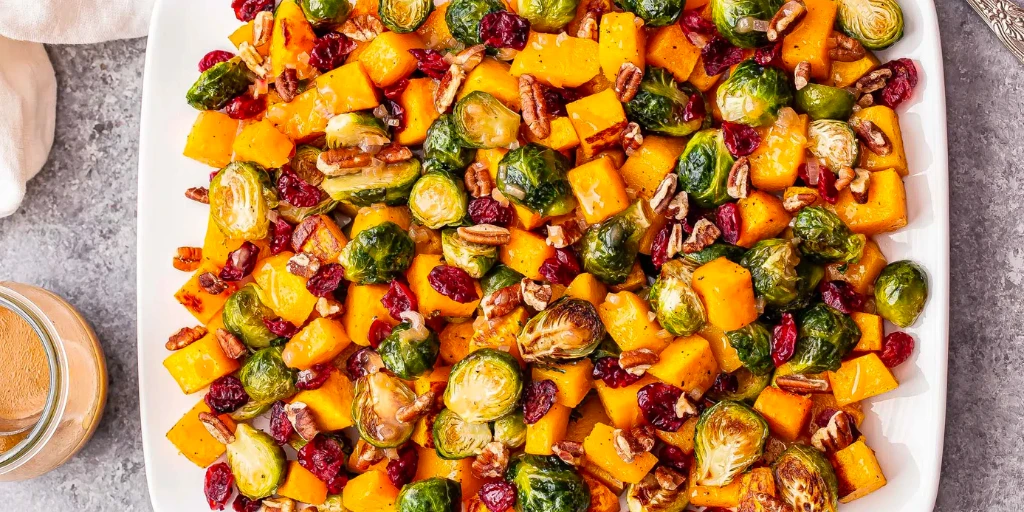
Read more
groente
NutritionBy Roy03-01-2018

5 tips to eat more vegetables

In this article about 5 tips to eat more vegetables: In the updated Schijf van Vijf from the nutrition center, the recommended amount of vegetables has increased from 200 to 250 grams per day. Chefs, food magazines, and nutrition consultants are responding by coming up with more creative dishes using vegetables. Think of courgetti, pumpkin cake, or stuffed avocado, dishes that subtly incorporate extra vegetables. We always try to include plenty of vegetables in our recipes and prepare them in a tasty way. To start the new year off right, we give you five tips to enjoyably and easily incorporate more vegetables into your diet. 5 tips to eat more vegetables explained Make sure you have a stock of vegetables at home. Ensure that you always have a basic 'package' of vegetables in the fridge. Think of a bag of mixed peppers, a box of mushrooms, a zucchini, broccoli, a bag of carrots, and a bag of spinach. Vegetables don't spoil as quickly, so if you include them in your big grocery shopping, you'll use them up throughout the week and never run out of vegetables. Challenge yourself to use all the purchased vegetables and not let them spoil; a zucchini or a pepper can be incorporated into almost any meal. Take vegetables with you on the go. Many people are busy and spend little time at home during the week. If you don't think this through in advance, you quickly lose control over what you eat. When you're hungry, you're more likely to reach for cookies, candy, and chips that may be available at work or the gas station. This problem can be easily solved by filling a container the night before with carrots, pieces of pepper, and cucumber. For extra flavor, you can combine this with some hummus or cottage cheese. Goodbye hunger pangs, hello extra vegetables. Hide more vegetables in your breakfast or lunch. Vegetables are often seen as something consumed at dinner, but if you want to increase your vegetable intake, you don't have to do this exclusively at dinner. You can also get your extra vegetables by adding them to your breakfast or lunch. Do you enjoy eggs in the morning? Fry them with spinach, mushrooms, or stir-fry vegetables. Do you eat bread at lunchtime? Try adding some extra cucumber or roasted zucchini. Or just go for a salad and add an extra pepper instead of a lot of cheese and croutons. Add vegetables to your smoothie. Do you regularly use your blender to make a delicious smoothie? Or do you often order a juice on the go thinking you are being healthy? Why not add a handful of spinach or order one with carrot? Trust us, you won't taste it at all when combined with fruit. Try to be creative with vegetables. It's quite logical that you don't start drooling at the thought of a serving of boiled cauliflower or green beans. But why serve something boring when eating vegetables can also be very flavorful? For example, stir-fry some broccoli florets with a red onion, half a pepper, and add a splash of soy sauce. Delicious and healthy! For more inspiration, check out our recipes . How do you ensure you get enough vegetables? And which vegetable would you like to see a creative recipe for? For tips or questions, email info@daadkrachtoverveen.nl . Read also: 5 breakfasts with more than 25 grams of protein · more articles on our blog · personal training at Daadkracht .

Read more
ReceptQuinoa-1024x768-1024x512
NutritionBy Bobby Stevens18-05-2023

Recipe: Fresh quinoa salad with chicken and mint

In this article about the recipe for a fresh quinoa salad with chicken and mint: Are you looking for a quinoa salad recipe? This variant with chicken and mint is fresh and perfect for lunch or dinner. Make a large portion in the evening so you have a tasty lunch the next day. Here's how to make it. Recipe for fresh quinoa salad with chicken and mint explained Fresh quinoa salad When the sun is shining, the days are longer, and the temperature rises, light and fresh quinoa salads are ideal. This quinoa salad is such a go-to recipe for spring and summer. The quinoa and chicken make the salad very nutritious, and the mint and raisins give the dish a summery bite. Want to try it yourself? Check below what you need and dive into the kitchen for this quinoa salad. Ingredients 150 grams of quinoa a handful of raisins 300 grams of chicken breast Paprika or curry powder 4 sprigs of mint 60 grams of feta 1 sweet pointed pepper 1 avocado Preparation method Cook the quinoa for about 8 to 10 minutes and let the raisins cook along. Meanwhile, cut the chicken breast and marinate with paprika or curry powder and some olive oil. Cut the pointed pepper, avocado, and feta into pieces. Drain the quinoa and let it sit for a moment. Cook the chicken for about 6 to 8 minutes until done. Spread the chicken mixture over the quinoa and add the pepper, avocado, and feta. Snip the mint over it and mix everything well. Enjoy your meal! Optional: you can also add dried peaches and apricots instead of raisins. And sunflower seeds for a crunchy bite. Also read: 5 breakfasts with more than 25 grams of protein · more articles on our blog · personal training at Daadkracht .

Read more
gevulde-zoete-aardappelen-1-366x183
NutritionBy Roy31-05-2022

Recipe: stuffed sweet potatoes

In this article about the recipe for stuffed sweet potatoes: The sweet potato is here to stay. From sweet potato fries, sweet potato mash to stuffed sweet potatoes; you can do all sorts of things with this vegetable. Vegetable yes, because did you know that the sweet potato is actually a tuber? A starchy one, so the assumption that sweet potatoes are many times healthier than regular potatoes is somewhat exaggerated. If you want to know more about carbohydrates and how this fits into your diet, we recommend reading this article. Sweet potatoes often appear in the form of fries, but if you have a little time, these stuffed sweet potatoes are a must-try. Recipe for stuffed sweet potatoes explained Ingredients (2 servings) 2 large sweet potatoes or 3 smaller ones 1 package of vegetarian bacon bits (alternative: smoked chicken cubes) 1 stalk of spring onion 70 grams of goat cheese with honey 1 teaspoon paprika powder low-fat quark optional: arugula Preparation method Preheat the oven to 200 degrees. Line a baking sheet with parchment paper and poke holes in the sweet potatoes. Put the potatoes in the oven for 50 minutes. Meanwhile, cook the vegetarian bacon bits until they are almost fully cooked. Chop the spring onion finely. Fill a bowl with low-fat quark and sprinkle some spring onion over it. Place in the refrigerator. Remove the potatoes from the oven and cut them in half. Scoop out most of the filling and place it in a bowl. Drizzle the halved sweet potatoes with some olive oil and return to the oven for another 10 minutes to make them a bit crispier. Meanwhile, mix the bacon bits into the scooped-out sweet potatoes and add pepper, salt, and paprika powder. Stir in the spring onion. Fill the sweet potatoes with the mixture and finally sprinkle some goat cheese on top. Bake the sweet potatoes for 15 minutes. Serve with the low-fat quark and optionally some arugula. You can choose to serve it with beans and a piece of meat. Enjoy your meal! Share your Daadkracht moment Did you make these stuffed sweet potatoes? Share your creation with us via Instagram and use #daadkrachtmoment. We’d love to see it! Also read: 5 breakfasts with more than 25 grams of protein · more articles on our blog · personal training at Daadkracht .
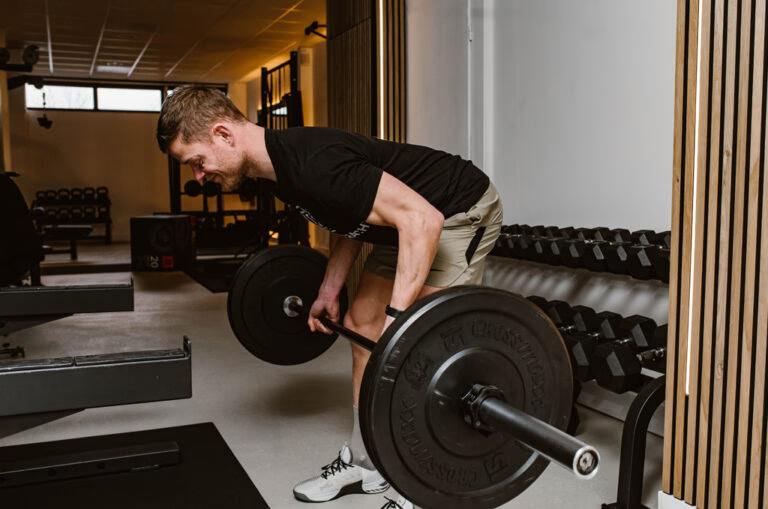
Read more
magnesium-366x183
NutritionBy Bobby Stevens14-03-2024

Supplementing Magnesium

Fish oil, vitamin D, magnesium: there are many vitamins and minerals that you can add to your daily diet. However, not every supplement is beneficial for everyone. Why should you supplement with magnesium? We explain this in this article. Why should you supplement with magnesium? Magnesium is a mineral involved in various processes in the body, such as energy metabolism, the transmission of nerve impulses to the brain, and regulating calcium, zinc, and vitamin D, among others. Magnesium is present in daily food, but due to current agriculture and fertilizers, soil depletion occurs. As a result, food today is less rich in magnesium, leading to a quicker deficiency. A magnesium deficiency can cause stress, sleep problems, increased blood pressure, and decreased insulin sensitivity, for example. Supplementing with magnesium is recommended for most people. Depending on gender, age, and symptoms, a dose between 250 – 400 mg per day is advised. The effects of magnesium supplementation Magnesium is a valuable addition to your daily diet. You can see it, just like fish oil , as a basic supplement to support your vitamin and mineral supply. Here are the proven effects of magnesium supplementation: Lower blood pressure. High blood pressure increases the risk of cardiovascular diseases, leads to quicker fatigue, and increases the likelihood of illnesses. Supplementing with magnesium can lower blood pressure and counteract these adverse effects. Improvement in sleep quality. The quality of sleep improves with magnesium supplementation. Magnesium has the property of calming your nervous system, making it easier to give in to mental fatigue. This results in a more restful night's sleep. Less stress. Magnesium is often labeled as an 'anti-stress agent.' This mineral can be seen as a counterbalance to the stress hormone cortisol. By supplementing with magnesium, less stress can be experienced. Support for glucose transport. Magnesium ensures that insulin sensitivity remains high. Insulin is a hormone that has the function of distributing the sugars you consume across your cells. The more sensitive your body is to insulin production, the better that distribution of sugar will be. Improved muscle recovery. During a workout, your magnesium stores are utilized. If you exercise regularly, additional magnesium can help with muscle recovery. What are the disadvantages of supplementing with magnesium? There are not really any disadvantages to supplementing with magnesium. However, it is important to take a high-quality supplement and to take the correct dosage. You can start with a low dosage and gradually increase it if necessary. It is usually recommended to take magnesium in the evening due to its calming effect on your nervous system. We recommend magnesium from Vitakruid or from Orangefit . Do you want to know more about the use of magnesium? Visit us at our studio in Overveen.

Read more
Afvallen-met-krachttraining-verbeteren-algemene-welzijn-768x509
TrainingBy Bobby Stevens06-02-2025

Exercising During Menopause: Tips & Tricks

In this article about exercising during menopause tips tricks: Your body is changing, you have mood swings, and you feel less comfortable in your skin: menopause causes many women to experience physical and emotional complaints. Exercising during menopause can help you feel better and improve your health. In this article, we share practical tips and tricks to stay active and fit during menopause. Exercising during menopause tips tricks explained Why is exercising important during menopause? During menopause, your body changes due to fluctuations in hormones such as estrogen and progesterone. This can lead to complaints such as: Weight gain Decreased muscle mass Bone loss Mood swings Fatigue Research shows that regular exercise during menopause helps reduce menopausal complaints. It improves your metabolism, strengthens your bones and muscles, and promotes your mental health. Moreover, exercising can give a boost to your energy and self-confidence. Tips for effective exercising during menopause When you enter menopause, you need to get used to various changes. It can be quite challenging to stay motivated and find a form of exercise that supports you during this phase of your life. These tips will help you with exercising during menopause. 1. Choose an activity that suits you Make sure to choose a form of exercise that you enjoy. This can range from yoga to strength training , or from walking in nature to dancing. Enjoyment is key to maintaining exercise during menopause. 2. Listen to your body Your body may be more sensitive to injuries and fatigue during menopause. If you exercised little before entering menopause, start with light exercises and gradually increase the intensity. Even if you regularly trained before, you may find that you can handle less than you are used to. Listening to your body is especially important. 3. Focus on strengthening muscles and bones Strength training and activities where you carry your own body weight, such as running or walking, are essential to maintain muscle mass and bone density. These forms of exercise help reduce the risk of osteoporosis. 4. Combine cardio with relaxation exercises Cardio exercises such as cycling, swimming, or a brisk walk support your heart health. Combine this with relaxation exercises such as breathing techniques or Pilates to reduce stress. This way, you support your hormonal balance and keep your stress levels healthy. 5. Be consistent The effects of exercising during menopause become noticeable only when done regularly. Try to be active at least three times a week. If you find it difficult to motivate yourself, remember that short sessions of 20-30 minutes can make a significant difference. Pitfalls of exercising during menopause Exercising during menopause is a good way to ensure that you stay fit during this life phase. However, due to all the changes in your body, it is important to be careful. Here are some common pitfalls and how to avoid them: Starting too ambitiously : Overexertion can cause injuries. It's better to start small and explore the new limits of your body than to demand too much from yourself right away. Stay consistent and view this phase as getting to know your capabilities again. No balance between effort and rest : Your body needs rest to recover; during the transition, you may notice that you need more time to recuperate. Don't put too much pressure on yourself and give your body the time it needs. Focusing only on weight loss : It's completely understandable that you need to adjust to the physical changes and any potential weight gain. While exercising can help maintain your weight, the mental and physical benefits are just as important. Don't overdo it with exercise; try to learn to love your body in other ways. Final tips for exercising during the transition Exercising during the transition doesn't have to be a chore. By choosing a form of movement that you enjoy and staying consistent, you can strengthen both your body and mind during this life phase. It's especially important to give yourself time to adjust to all the changes and listen to your body. A few more tricks to get through this period healthily include maintaining a healthy diet; it's important to nourish your body with enough proteins, healthy fats, and carbohydrates. If you're struggling, don't hesitate to seek help from a professional. At Daadkracht, we are happy to assist you and offer professional and personal guidance to support you with your needs. You are more than welcome for a free trial lesson at one of our lifestyle studios in Overveen or Heemstede.

Read more
0EA4B81F-5235-474D-AF88-0D90C9FE39BC-6BEA51E5-41F1-4D16-9F8E-3FD912FE5ED4-scaled-1024x512
NutritionBy Bobby Stevens24-06-2020

Protein-rich mango ice cream with lemon

In the summer, do you crave ice cream but not the amounts of sugar, fat, and calories that come with it? Then this protein-rich mango ice cream with lemon is the solution! Due to the lack of added sugars and cream, this ice cream is much lower in calories, yet still deliciously fresh and creamy! Protein-rich mango ice cream with lemon explained This ice cream is very high in protein due to the addition of whey isolate. Perfect if you struggle to get enough proteins through regular food. You can make this ice cream with any type of fruit, just whatever you have at home. The ice cream has a rather thin texture; if you want it thicker, you can put it in the freezer for a while after preparing. Just remember to stir it occasionally to prevent ice crystals from forming. Ingredients for 1 person: – 100 grams of frozen fruit (I used mango) – juice of a quarter lemon – 25 grams of whey isolate (available from us) – 40 ml semi-skimmed milk Preparation method: Put all the ingredients in a good food processor/blender and blend until it becomes a creamy mixture. Sometimes it is necessary to scrape down the ingredients during blending to ensure everything is incorporated. TIP! Want a texture more like a fluffy smoothie? Then add a bit more liquid. The combination of whey isolate and frozen fruit makes the smoothie very airy. Let it blend a little longer once everything is well mixed; this will make it nice and fluffy! Nutritional value with mango: Calories: 182 Fats: 1.5 grams Carbohydrates: 18.5 grams Proteins: 24.3 grams Also read: 5 breakfasts with more than 25 grams of protein · more articles on our blog · personal training at Daadkracht .

Read more
100-couscous-640x320
NutritionBy Bobby Stevens12-09-2019

Recipe: cauliflower couscous with egg and vegetables

In this article about the recipe for cauliflower couscous with egg and vegetables: Lunch inspiration! 🍳 Did you know that only 2% of the Dutch get enough vegetables? This plate contains over 300 grams of vegetables. Because cauliflower has a neutral taste, you can season it well, just like couscous! You want to try this lunch dish of cauliflower couscous with egg and vegetables. Recipe for cauliflower couscous with egg and vegetables explained Ingredients for 2 people 👫: – 200 g cauliflower – 1 red bell pepper – 1 yellow bell pepper – 1/2 zucchini – Red onion – Small bunch of mint – Small bunch of parsley – 1/4 lemon – 1 1/2 tbsp olive oil – 4 eggs – Chili flakes (optional) – Pepper and salt Preparation: 1. Finely chop the cauliflower in a food processor, or grate it with a fine grater. 2. Stir-fry the cauliflower couscous briefly (2 min) and let it cool. 3. Chop the parsley, mint, red onion, bell peppers, and zucchini. 4. Season the cooled cauliflower couscous with the parsley, mint, juice of 1/4 lemon, half a tablespoon of olive oil, pepper, and salt. 5. Grill the bell peppers and zucchini and meanwhile fry the 4 eggs in 1 tablespoon of olive oil, optionally sprinkle the eggs with chili flakes, pepper, and salt. 6. Serve the cauliflower couscous with the grilled vegetables and the eggs. Nutritional values per serving: Calories: 364 Fats: 23 grams Carbohydrates: 16 grams Proteins: 20 grams For more recipes, check out the blog Also read: 5 breakfasts with more than 25 grams of protein · more articles on our blog · personal training at Daadkracht .

Read more
Vrouw-is-aan-het-dieten-en-doet-krachttraining-768x509
TrainingBy Torito Marketing04-06-2023

Benefits of Personal Training: 10 Reasons to Invest in a Personal Trainer

In this article about the benefits of personal training, 10 reasons to invest in a personal trainer: You have made the decision to do something about your health and overall fitness. Well done! Have you thought about how you want to start? Are you going to do a sport or go to the gym? Are you going to do your own research and create training schedules? All choices you need to make. To make it a bit easier for you, we give you below 10 benefits of personal training. We will show you that starting with a trainer is worth the investment. Benefits of personal training: 10 reasons to invest in a personal trainer explained A trainer tailors a schedule to your personal goals With everything that has been written over the years about fitness, it’s not surprising that you feel overwhelmed. One person recommends this program, and another recommends that program. It can be exhausting. A personal trainer has helped hundreds of people. Often, these people were in a similar situation as you are now. The personal trainer has enough experience to know how you can effectively get from A to B. The trainer knows what achievable goals are for your fitness and body type and what strategy is needed to get there. Safe exercising through the right form Knowing which exercise to do is not enough. It is important that you know how to perform an exercise. Safety comes first. You don’t want to be sitting at home with an injury after a few months because you did a squat incorrectly. A big advantage of a personal trainer is that he knows exactly what good form looks like. And if you don’t have the right form? Then he knows exactly how to build up and explain an exercise so that you can perform it safely. With the right form, you not only prevent injuries, but you also train more effectively. On to more results. Your biggest motivator and accountability partner “It’s raining today, I’ll work out tomorrow.” How many times have you said that to yourself? I’ll do it tomorrow is the biggest pitfall in exercising. But if you have an appointment with our personal trainer Bobby, you think very differently: “Bobby is waiting for me, I don’t want to disappoint him.” That’s because your personal trainer is just as invested in your results as you are. You are on the same team. And you don’t want to disappoint your teammates, of course. At the same time, a personal trainer knows exactly how to motivate you. When you think you’ve given everything in your training, Bobby shows you that there’s more in you. And with the right energy, he makes every training session enjoyable. That’s what motivates. This way, training goes from something you have to do to something you look forward to. Save time Because you don’t have to reinvent the wheel, you save time. It speaks for itself. Your trainer knows exactly where you should start and how you should make progress. That comes from years of experience. If you had to gain that knowledge yourself, you might be busy for months. And nobody wants that. With a trainer, you can train effectively from day one and optimize your workouts. In addition to personal training, also guidance on nutrition and lifestyle “Abs are made in the kitchen,” they say. And that’s absolutely true. A good personal trainer looks beyond just your training schedule. They take the time to examine with you what you eat, what causes stress, and how you can sleep better. Because all these factors contribute to you achieving your goals more effectively. A personal trainer keeps it fun and challenging with variety Doing the same routine every week? You shouldn’t even think about it… Many people drop out because the challenge in exercising is lost. We are all human, naturally curious. Learning and mastering a new exercise is enjoyable for us. At the same time, it provides a new stimulus for your body. This not only makes you physically stronger but also mentally. And then training becomes fun! Mindset shift It’s all in your head. The human body is built to handle great challenges. Our brains, on the other hand, are designed to conserve as much energy . Not so strange, really. If you have to chase after your food every day, you want to have energy for that. But who knows when the next time you can eat will be? Maybe it’s not until the day after tomorrow. Then it’s better not to use too much energy. So, it’s a very efficient system. But since we no longer have to chase after our food, we need to find another motivation. Why would you still move if your food comes from the supermarket? That’s where your trainer comes in. They help you build positive associations with movement and healthy eating. This way, you develop a natural drive to take action. Personal attention In a large gym, you are just a number on a customer file. Whether you come or not doesn’t matter. And when you do come, you scan your card and get to work on a machine. This is as impersonal as exercising can get and the recipe for quickly losing your motivation. The advantage of a personal trainer is that this is completely the opposite in the sessions. You greet each other and have a nice chat. Then you get to work with your personal plan, and the trainer focuses solely on you. Bet that in that environment you will achieve your goals? Long-lasting results We’ve touched on this a bit, but because a personal trainer also looks at your lifestyle, the results are more sustainable. Since a trainer helps build healthy habits, it’s much more likely that you can enjoy your results for the rest of your life. Even if you were to stop personal training. Return on investment Most people quickly end up as sponsors in a standard gym. In fact, about 80% of members never show up. Money down the drain. But if you invest that money in a personal trainer, you will definitely not become a sponsor of the basic gym. Your trainer will make sure of that. As mentioned, they hold you accountable and together you ensure that you really start working on your goals now. In short, the benefits of personal training are endless, and it is a valuable investment in your health. With a personal trainer, you can be sure that you are working in the best way and won’t be disappointed and quit after a few months. Don’t wait any longer and invest in your health with the help of a personal trainer. You will be amazed at the results and the positive effect it will have on your life. FAQs: Do I need to have experience with fitness to start personal training? No, personal training is suitable for people of all levels, from beginners to advanced. How often should I attend personal training sessions? This depends on your individual goals. Your personal trainer can advise you on this and create a customized schedule. Who are you? Daadkracht is a personal gym in Haarlem. At our two locations, we offer personal training in Haarlem . Here, we help clients like you achieve their goals, whether it's losing weight, getting stronger, or simply working on their vitality.

Read more
100-guacamole
NutritionBy Bobby Stevens06-12-2019

Spicy bonenburgers with guacamole

In this article about spicy bean burgers with guacamole: After the salmon burgers, a vegan variant was also inevitable. Vegan burgers from the supermarket are tasty and easy, but it's even more fun to make them yourself! You can whip up these bean burgers in no time, and you can add whatever you like. Not only delicious for vegetarians and vegans but also for true meat lovers! Serve with guacamole and a Mexican salad. Spicy bean burgers with guacamole explained Ingredients for the bean burgers (5 burgers): – 240 grams kidney beans (drained weight) – 100 grams corn – half a red chili – 4 tbsp whole wheat flour – tbsp olive oil – 1 onion – 2 tsp paprika powder – 2 tsp oregano – tsp cumin – tsp garlic powder – pepper & salt – scoop of protein powder (optional) Preparation method: 1. Finely chop the onion and garlic and sauté in the pan until fragrant. 2. Reserve 1/5 of the beans and 2 tbsp of flour, and combine all other ingredients with the onion and garlic in the food processor and blend until smooth. 3. Coarsely chop the reserved beans and add them to the mixture. 4. Dust your countertop with the remaining flour and form burgers from the mixture. It is quite a wet mixture, so this can get a bit messy. 5. Fry the bean burgers in a pan over medium heat. Flip when the bottom is crispy and golden brown (3-4 minutes). Ingredients for a bowl of guacamole: – 2 ripe avocados – half a red chili (optional, without seeds) – 6 cherry tomatoes – juice of half a lemon – tbsp olive oil – pepper & salt Preparation method for guacamole: 1. Remove the skin and pit from the avocados and mash the avocados with a fork. 2. Finely chop the red chili and cut the cherry tomatoes in half twice. Then add them to the avocado mixture. 3. Now mix in the lemon juice, olive oil, and pepper & salt into the mixture. Note! Serve the guacamole preferably immediately. Storing it doesn't change the taste, but it turns brown quite quickly and doesn't look as appetizing. Nutritional values per burger: – Calories: 143 – Protein: 10.1 grams – Fat: 3 grams – Carbohydrates: 18 grams Nutritional values for guacamole per 1/5 bowl: – Calories: 122 – Protein: 1.5 grams – Fat: 10.7 grams – Carbohydrates: 6.3 grams Also read: 5 breakfasts with more than 25 grams of protein · more articles on our blog · personal training at Daadkracht .
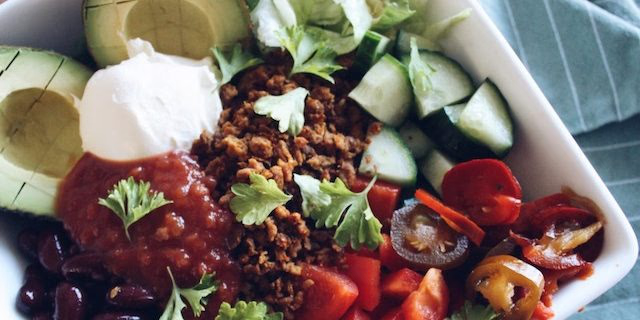
Read more
Voeding-tijdens-de-overgang-eiwitrijk-768x509
NutritionBy Bobby Stevens12-06-2025

Nutrition during menopause: how to stay balanced

In this article about nutrition during menopause, here’s how to stay balanced: Gaining weight is a common complaint among women in menopause. You might think there’s nothing you can do about it and that it’s just part of the process. However, there is indeed a lot you can do with nutrition during menopause to maintain balance. You can read all about it here. Nutrition during menopause: how to stay balanced explained Nutrition during menopause: 7 tips Menopause is a life phase in which a woman's body undergoes many changes. Hormonal fluctuations can lead to weight gain, mood swings, hot flashes, and a slowed metabolism. A balanced diet can help reduce these complaints and keep you feeling energetic. In these 7 tips, we discuss which nutrition during menopause can support you. 1. Eat enough protein Proteins are essential for maintaining muscle mass, which can decrease more rapidly during menopause. Choose lean protein sources such as chicken, fish, eggs, legumes, and low-fat dairy products. Proteins also help stabilize blood sugar levels and reduce cravings for snacks. 2. Opt for healthy fats Healthy fats such as omega-3 fatty acids support hormonal balance and reduce inflammation in the body. Good sources include fatty fish (like salmon and mackerel), nuts, seeds, olive oil, and avocados. These fats also contribute to healthy skin and brain function. 3. Ensure adequate fiber intake Fiber-rich foods promote healthy digestion and help maintain stable blood sugar levels. Whole grain products, vegetables, fruits, legumes, and nuts are excellent sources of fiber. Additionally, fiber helps lower cholesterol levels and supports a healthy weight. 4. Avoid sugar and processed carbohydrates Sugar and fast carbohydrates can lead to spikes and drops in blood sugar levels, which can cause mood swings and energy dips. Limit your intake of white pasta, white bread, pastries, and soft drinks. Instead, choose whole grain products and natural sugars from fruit. 5. Drink enough water During menopause, the body may retain more fluid or become dehydrated more quickly. Drink enough water daily (at least 1.5 to 2 liters) to keep your body well-hydrated and to flush out waste products. Herbal tea and water with a slice of lemon are good alternatives to sugary drinks. 6. Ensure adequate calcium and vitamin D The decrease in estrogen during menopause can lead to an increased risk of osteoporosis. Calcium and vitamin D are essential for strong bones. Dairy products, leafy green vegetables, almonds, and fatty fish are good sources of calcium. For vitamin D, you can eat fatty fish or spend time outdoors in the sun regularly. 7. Limit caffeine and alcohol Caffeine and alcohol can exacerbate hot flashes and sleep problems. Try to moderate your intake and choose caffeine-free drinks or herbal tea more often. If you do have a glass of wine, do so in moderation and combine it with a nutritious meal. Do's and don'ts about nutrition during menopause To optimally support your body during menopause, it is important to make conscious choices. Opt for a varied diet rich in vegetables, fruits, whole grains, and proteins. Ensure you get enough healthy fats and stay hydrated. Take the time to eat slowly and listen to your body. It is better to avoid heavily processed foods, excessive sugar intake, and too much caffeine or alcohol, as these can exacerbate hot flashes and mood swings. Crash diets can also backfire and lead to a disrupted metabolism. Help with your diet during menopause With the right nutrition during menopause, you can support your body through hormonal changes. This way, you stay balanced and feel more energetic and healthier during this phase of your life. Need help? Don't hesitate to schedule a free trial lesson at one of our personal training studios in Overveen or Heemstede and get professional guidance during this changing phase.

Read more
wrap-roerei-zalm
NutritionBy Bobby Stevens05-04-2017

Recipe: Multigrain wrap with scrambled eggs and salmon

In this article about the recipe for multigrain wrap with scrambled eggs and salmon: Hi everyone! What did you think of last week's meal plan? We hope it gave you a little boost. Today we have a new recipe for you. A quick and tasty wrap with mostly healthy ingredients. Curious about what ingredients are in this wrap? Check the requirements and try it yourself! Recipe for multigrain wrap with scrambled eggs and salmon explained Ingredients (2 persons) multigrain wraps 2 eggs 200 grams of smoked salmon 1 small bag of iceberg lettuce 1 avocado 1 can of corn 2 stalks of chives low-fat quark Preparation method Cut the smoked salmon into small pieces. Cook the smoked salmon over low heat until pink and stir in 2 eggs. Snip 2 stalks of chives into the egg mixture and season with pepper and salt. Warm the multigrain wraps and spread with a spoonful of low-fat quark. Fill the wraps with the egg mixture and finish with some avocado, corn, and iceberg lettuce. Optional: you can choose to add a sauce, but this wrap is already a tasty and quick lunch or dinner! Easy, right? Are you curious how this wrap fits into your diet? Don't hesitate and contact us at info@personaltrainerhaarlem.nl for personal dietary advice Also read: 5 breakfasts with more than 25 grams of protein · more articles on our blog · personal training at Daadkracht .

Read more
Quinoa-salade-recept-met-boerenkool-1024x512
NutritionBy Bobby Stevens13-03-2025

Quinoa salad recipe with kale, roasted bell pepper & sweet potato

In this article about quinoa salad recipe with kale, roasted bell pepper, sweet potato: With quinoa salads, you can endlessly vary, yet it can sometimes be challenging to come up with a new variant. This version has a fresh twist and is a favorite among the Daadkracht team. Quickly discover what you need for this nutritious quinoa salad recipe that perfectly fits within a healthy lifestyle. Quinoa salad recipe with kale, roasted bell pepper, sweet potato explained Quinoa salad recipes and a healthy lifestyle A quinoa salad is a nutritious choice that fits a healthy lifestyle for several reasons. Quinoa is one of the few plant-based foods that contains all nine essential amino acids, making it a complete source of protein. Additionally, quinoa is high in fiber, which is good for your digestion and helps maintain a healthy cholesterol level. Furthermore, quinoa has a relatively low glycemic index, meaning it raises blood sugar levels more slowly compared to some other carbohydrate sources, such as white bread or white rice. Quinoa is also rich in important antioxidants and micronutrients such as magnesium, iron, folic acid, vitamin B, and potassium. These contribute to overall health, from supporting your energy levels to promoting a healthy heart and immune system. Ready to benefit from quinoa? This quinoa salad recipe is delicious as a lunch or dinner, for example, in combination with a warm soup. You only need an oven, a cutting board, and a bowl. Ingredients for quinoa salad recipe with kale – Quinoa – Kale – Red bell pepper – Sweet potato – Chickpeas – Spring onion – Avocado – Marne honey mustard – Balsamic vinegar – Goat cheese (or feta) – Caraway seeds, paprika powder, and curry powder. – Optional: nuts, seeds, chicken strips Preparation method for quinoa salad recipe with kale 1. It's best to estimate the amount yourself, depending on the number of people or servings. For 1 person, 1 bell pepper and 1 sweet potato are sufficient. Do this a bit by feel. 2. Preheat the oven to 210 degrees. Meanwhile, chop the red bell pepper and sweet potato and drain the chickpeas. Spread all three ingredients on a baking sheet. Season the bell pepper with caraway seeds, the sweet potato with paprika powder, and the chickpeas with curry powder. Roast in the oven for about 25 to 35 minutes (depending on your oven). 3. Meanwhile, cook the quinoa until there is no water left. When the quinoa is still a bit warm, stir in the kale. This way, it won't get too soft but will blend nicely with the quinoa. Do this by feel so that there is approximately an equal distribution between quinoa and kale. 4. Remove the vegetables from the oven and let them cool for about 5 minutes. Meanwhile, chop the spring onions and avocado. 5. Make a dressing with a few generous scoops of honey mustard and a splash of balsamic vinegar, where about 3/4 is mustard and 1/4 is vinegar. Do this by feel and then dilute with a bit of water. 6. Stir the grilled vegetables and chickpeas into the salad, crumble some goat cheese on top, and optionally garnish with nuts, seeds, or chicken strips. Finish with the dressing and enjoy your meal! Nutritional values quinoa salad recipe with kale With this quinoa salad recipe with kale, you get enough fiber, protein, vitamins, and unsaturated fats, which fits within a healthy diet. Here are the nutritional values for 1 serving: 347 calories – 15 grams of protein – 11 grams of fat – 46 grams of carbohydrates This calculation is based on the ingredients shared by two good adult portions. Enjoy it as lunch or make a delicious meal soup with it for a complete dinner. You can also save some to eat later! Also read: 5 breakfasts with more than 25 grams of protein · more articles on our blog · personal training at Daadkracht .
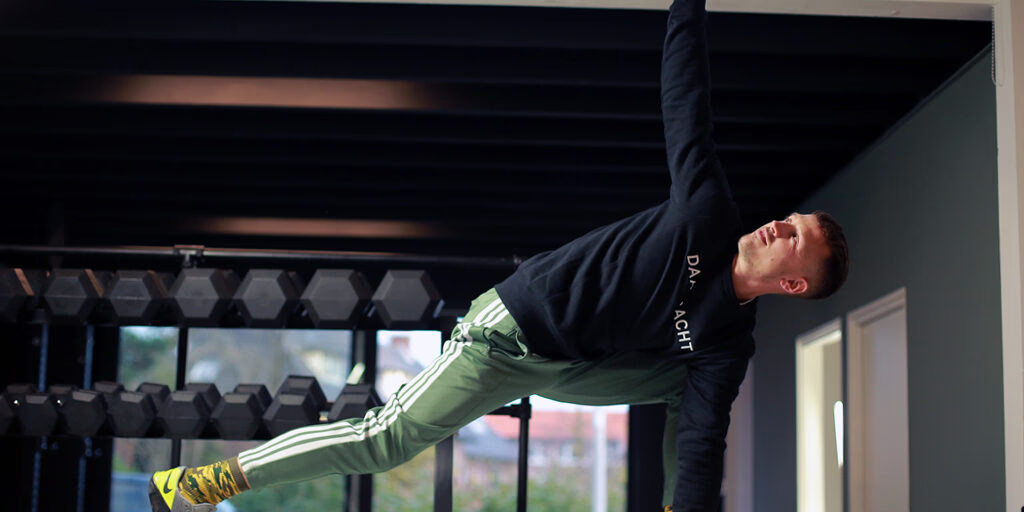
Read more
Overgang-en-gewicht-768x509
LifestyleBy Bobby Stevens27-03-2025

Menopause and weight: facts & myths

In this article about menopause and weight facts and myths: Menopause is a significant period for many women, both physically and mentally. In addition to well-known complaints such as hot flashes, mood swings, and sleep problems, many women also experience changes in their weight. But what is fact and what is myth when it comes to menopause and weight? In this article, we dive deeper into the facts and debunk several common misconceptions. Menopause and weight facts and myths explained Menopause and weight: what happens in your body? Much is said and written about menopause and weight. Some say it's very common to gain weight, while others claim that you can easily prevent it by maintaining a healthy lifestyle. Before we share some facts and common myths with you, it's important to understand what exactly happens in your body. This way, you can better discern what is true and what is not. During menopause, various physical changes occur that can affect weight. This is primarily related to changes in hormone levels. Your hormones play a crucial role in various processes in the body, such as metabolism, fat storage, and muscle mass. These are processes that you may not notice internally, but they can influence your weight, leading to noticeable changes. Facts about menopause and weight Menopause is already a challenging period for many women as you have to adjust to all the physical changes. Don't let it get to you, and know that these facts are at least true about menopause and weight. 1. Hormonal changes can influence weight gain During menopause, estrogen levels decrease, which affects metabolism and fat storage. This can lead to slower burning and increased fat storage, especially around the abdominal area. 2. Muscle mass decreases with age As you get older, muscle mass gradually decreases. Since muscles burn more calories than fat, this can contribute to a slower metabolism and weight gain. 3. Fat storage shifts to the abdomen Where fat was often stored on the hips and thighs before menopause, this shifts more to the abdomen due to the decline in estrogen. This type of fat storage can increase the risk of cardiovascular diseases. 4. Lack of sleep can lead to weight gain Many women experience sleep problems during menopause, such as insomnia or night sweats. Lack of sleep can affect hormones that regulate hunger and satiety , which can lead to increased calorie intake. 5. Healthy eating and exercise make a big difference Although hormonal changes have an impact, lifestyle choices play a crucial role. A balanced diet and regular physical activity, including strength training , help to prevent or limit weight gain. Myths about menopause and weight In addition to facts, there are also several common misconceptions regarding menopause and weight. Because while the changes in bodily processes are similar for every woman, the effects and the way you cope with them can differ. Here are some myths about menopause and weight. 1. “Every woman gains weight during menopause” Not all women gain weight. Weight gain depends on various factors, such as genetics, diet, and exercise patterns. With the right adjustments, a stable weight can be maintained. 2. “Hormonal therapy causes weight gain” Hormone replacement therapy (HRT) is often blamed, but there is no direct evidence that it leads to weight gain. Any changes in weight are more likely related to lifestyle and metabolism. 3. “You cannot prevent weight gain” Although it may be more challenging to manage weight, it is certainly not impossible. By combining healthy eating, sufficient exercise, and stress management, a healthy weight can be maintained. 4. “Cardio is the only effective way to lose weight” While cardiovascular training helps with fat burning, strength training is equally important. Muscle mass helps increase metabolism and prevents muscle loss. 5. “Eating less is the solution” Eating too little can actually slow down metabolism and lead to muscle loss, which works against you in the long run. It is important to eat nutritious and balanced meals, combined with sufficient exercise. Menopause and weight: how to handle it healthily Menopause and weight gain are indeed closely related, but not all assumptions are correct. Hormonal changes play a role, but lifestyle choices are just as important. By being mindful of nutrition, exercise, and sleep, it is possible to go through menopause healthily and vibrantly. Need help? Don't hesitate to schedule a free trial lesson at one of our personal training studios in Overveen or Heemstede and get professional guidance during this changing phase.

Read more
energie-inname-1024x512
NutritionBy Bobby Stevens17-11-2017

What is your optimal energy intake?

In this article about what your optimal energy intake is: When you want to be conscious about your nutrition or have a specific health goal in mind, your energy intake, or the amount of calories you consume in a day, is of great importance. If your energy intake equals your energy expenditure (energy balance), your weight remains stable. If it is greater than your energy expenditure, your weight will increase, and if your intake is less than your expenditure, you will lose weight. This principle is fundamentally quite simple, but not very concrete yet. Therefore, it is interesting to ask yourself what determines your desired energy intake and even more interesting, how you can optimize it. We explain it. Your optimal energy intake explained Total daily energy expenditure To determine what your desired energy intake is, we look at your energy expenditure, which is also referred to as your metabolism and is the sum of three components: your basal metabolic rate , which is the energy your body uses while you sleep, the thermic effect of your food, the percentage of energy intake needed to digest and absorb your energy, and your activity level, the amount of physical effort you exert in a day. These three components can each also be influenced by several factors such as age, sex, body temperature, type of food, or exercise intensity. The image below clearly shows your metabolism. Basal metabolic rate To determine your energy intake, it is therefore first important to be aware of your energy expenditure. Ask yourself about each component how the situation is for you. How is your sleep quality? Do you sleep long enough, do you suffer from stress, or are you pregnant? These are all elements that affect your rest and thus your basal metabolic rate. Thermic effect The type of product, your body fat percentage, and your carbohydrate tolerance all influence the thermic effect. If we assume mixed meals (proteins, fats, and carbohydrates), this percentage varies between 10 and 25%, with the lower limit for overweight individuals on an average diet and the upper limit for strength athletes with a high-protein diet and sufficient unsaturated fats. The higher the thermic effect, the higher your energy expenditure and the higher your energy intake can be. This must also be taken into account when determining your optimal energy intake. Daily activity level What is your daily activity level? If you have an office job, you burn significantly fewer calories daily than if you are on your feet all day. This also means that your energy intake should be lower if you have a sedentary job when you want to keep your energy levels balanced. Total daily energy intake What ultimately your optimal daily energy intake is, depends on your goal. Do you want to lose weight, gain weight, or do you want to maintain your current weight? Here’s an example. Suppose two men both have the goal of losing weight. Man 1 works five days a week behind a computer, does not exercise, and maintains an average calorie intake. Man 2 works in construction, exercises twice a week at the gym, and also maintains an average calorie intake. Looking at the total energy expenditure of the men, Man 1's will be lower than that of Man 2. This means that Man 1's total energy intake should be lower than that of Man 2. Interesting! And now? To determine your energy intake, it is important to map out your energy expenditure and establish your personal goal. Based on that, we can calculate your optimal calorie needs. There are various formulas for this. Do you want to know what your optimal energy intake should be? Come by for a conversation and a measurement, and we will calculate this for you and provide tailored advice! Also read: 5 breakfasts with more than 25 grams of protein · more articles on our blog · personal training at Daadkracht .

Read more
Havermout
NutritionBy Bobby Stevens27-12-2017

5 reasons to eat oatmeal

In this article about 5 reasons to eat oatmeal: Oatmeal is indispensable in the #fitfam world. Many 'healthy' recipes like cookies, banana bread, and porridge contain oatmeal (flour). This is also true for the delicious pancakes we shared earlier. But what makes it so popular? Today we explain what oatmeal actually is and why it is good to add to your diet. 5 reasons to eat oatmeal explained What is oatmeal exactly? Oatmeal is made from the grain oat by washing, hulling, and heating whole oat grains. They are then (optionally) cut into pieces, steamed, and flattened. Oatmeal is available in different varieties. You have long-cooking oatmeal, made from whole oat grains, with a cooking time of about 15 minutes. Additionally, there is quick-cooking oatmeal, made from broken oat grains, with a cooking time of about 5 minutes. Finally, there is instant oatmeal, made from broken oat grains that have been pre-cooked and often contain added flavorings, such as sugar and salt. So be careful which variety you buy; the last one contains many additives that are not beneficial for your health. What are 5 reasons to eat oatmeal? Now that we know what oatmeal is as a food, let's outline five benefits of oatmeal. Here they come: 1. Oatmeal lowers your cholesterol levels Oatmeal contains a substance (beta-glucans) that inhibits fat absorption, thereby lowering LDL cholesterol in particular. In the article about fats , we already explained what this type of cholesterol is, and if you paid attention, you will understand that a reduction in LDL cholesterol means a decreased risk of cardiovascular diseases. Therefore, eating oatmeal can lower cholesterol levels, but your ultimate cholesterol level, of course, depends on what else you consume. If you think that after a bowl of oatmeal, you can have ice cream with whipped cream or a portion of fries, then this health benefit doesn't really apply. 2. Oatmeal contains antioxidants and micronutrients The beta-glucans in oatmeal are antioxidants that give your immune system a boost. They help you become more resistant to viruses, bacteria, and infections, making you less likely to get sick. Additionally, oatmeal is rich in iron, magnesium, and vitamins K, B, and E, which help your body with oxygen transport, metabolism, and muscle recovery. 3. Oatmeal contains little sugar Oatmeal contains relatively little sugar and is, compared to other grain products like muesli, granola, or bread, a fairly pure product (as long as you don't choose the instant oatmeal mentioned above). This means your blood sugar levels rise less quickly than when you consume products that contain a lot of added sugars. However, be careful about which oatmeal you buy and what you add to your oatmeal. If you add a lot of flavorings like honey, raisins, syrup, etc., you will obviously consume more sugars, with all the consequences for your blood sugar levels. 4. Oatmeal contains relatively high protein Compared to other grains, oatmeal contains relatively high protein. Proteins help with muscle recovery, and oatmeal is therefore a popular product among people who do heavy strength training. Per 100 grams, oatmeal contains 15 grams of protein, whereas other grains contain about half of that (7 to 8 grams). 5. Oatmeal keeps your hunger at bay Oatmeal contains a lot of fiber and is absorbed by your body quite slowly, which gives oatmeal a feeling of fullness. Therefore, you will feel hungry less quickly, which means you are less likely to reach for unhealthy food. Conclusion Oatmeal has several health benefits. For instance, oatmeal contains beta-glucans that help lower your cholesterol levels and also assist your immune system in fighting off viruses and bacteria. Additionally, oatmeal contains vitamins and minerals that your body needs and provides a feeling of fullness. Finally, oatmeal has relatively high protein content and low sugars compared to other grains. Therefore, it is advisable to add oatmeal to your diet. However, oatmeal is not a miracle cure that makes you 'healthy'. How healthy you are is related to the other products you consume and the amount of physical activity you engage in. Do you have questions following this article? Or do you want to know more about nutrition? Don't hesitate to contact us at info@daadkrachtoverveen.nl Also read: 5 breakfasts with more than 25 grams of protein · more articles on our blog · personal training at Daadkracht .
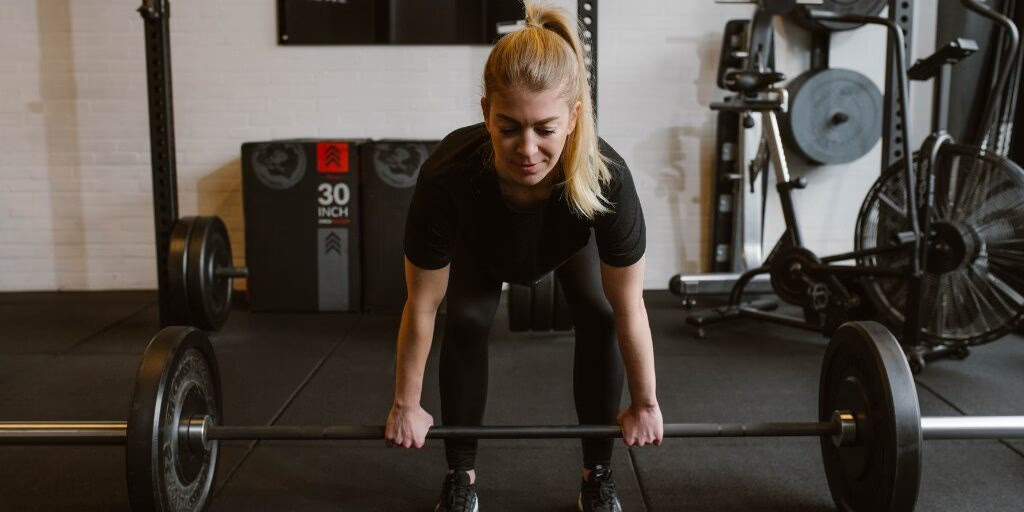
Read more
Eiwitrijke-pasta-bolognese-recept-1024x512
NutritionBy Bobby Stevens15-11-2024

Protein-rich pasta bolognese

On some days, nothing beats a classic pasta bolognese, right? This protein-rich variant is guaranteed to be a hit for the whole family. Here you can read how to make this dish a nutritious meal and how to prepare this protein-rich pasta bolognese. A plate of pasta is well-received in many households. Pasta is part of the three P's for a reason. Especially the combination of cream with bacon or a stuffed tomato sauce is popular among pasta lovers. Unfortunately, these are not always the healthiest or most nutritious ingredients. Should you skip pasta if you're watching your diet? Certainly not! Pasta fits perfectly into a healthy lifestyle, as long as you are aware of the ingredients and make a nutritious meal out of it. With this protein-rich pasta bolognese, you can enjoy a pasta that is both flavorful and healthy. Ingredients for protein-rich pasta bolognese To make your pasta bolognese protein-rich and nutritious, it's important to choose the right ingredients. Many pasta bolognese recipes include bacon, wine, milk, or a mix of minced meat. These products often contain unhealthy additives or are less nutritious. This can make your meal less healthy or you may miss certain nutrients that you need for a balanced meal. With the ingredients for this protein-rich pasta bolognese, you are assured of nutritious ingredients and the right balance between carbohydrates, proteins, and fats. for the base 5 large tomatoes can of tomato paste 2 tablespoons balsamic vinegar 3 bay leaves 1 bouillon cube (beef or vegetable broth) Optional: if you're short on time, choose a good variant of sieved tomatoes or canned tomato pulp (for example, this one from mutti ) for the rest of the sauce 500 grams (organic) ground beef 2 stalks of celery 8 mushrooms 1 zucchini 1 carrot or carrot strips (or eggplant or any other vegetables you have at home and want to use up) 1 onion 2 cloves of garlic 2 tablespoons oregano 2 tablespoons Italian herbs for the pasta protein-rich pasta (for example, the pastas from dalla costa) for the garnish Grated cheese (for example, parmesan cheese or 30+ cheese) Optional: basil Preparation of protein-rich pasta bolognese For the preparation of this protein-rich pasta bolognese, you can make it as easy or as difficult as you want. It's freshest and most nutritious if you make the tomato sauce yourself, but this does take more time. If you're short on time, you can skip step 1 and choose a good tomato pulp that you season yourself. Here’s how to make this protein-rich pasta bolognese: Take a cooking pot and fill it with boiling water. Cut squares at the top of the tomatoes and let them soak for a minute in the pot of water. Drain the water from the pot and rinse the tomatoes with cold water so that the skin comes off. Peel the skins from the tomatoes. Put the tomatoes back in the cooking pot and add the tomato paste, balsamic vinegar, bay leaves, and bouillon cube, and let it simmer on low heat. Chop the onion, celery, mushrooms, zucchini, carrot, and any other vegetables you want to use up into pieces. Take a large frying pan and add some coconut oil for frying. Sauté the onion and garlic briefly, then add the minced meat. Brown the minced meat until it is lightly browned. Then add the vegetables and the dry spices and cook for about 10 minutes until done. Meanwhile, take a cooking pot and cook the high-protein pasta according to the instructions on the package. Remove the tomato sauce from the heat and add it to the minced meat mixture. Let it simmer for a while so that all the flavors can meld together. If you have plenty of time and are making this high-protein pasta bolognese in the morning, you can let the sauce simmer gently all day, adding a bit of water occasionally. If you have less time, serve the dish after simmering for a quarter of an hour. Enjoy your meal! Nutritional values of high-protein pasta bolognese With this high-protein pasta bolognese, you will get enough fiber, protein, vitamins, and unsaturated fats. The fiber comes from the pasta and vegetables, the protein from the lean minced meat and (low-fat) cheese, the vitamins from almost all ingredients, and the fats are also found in the meat and coconut oil. Additionally, a portion of pasta is considered to be about 70 grams per person. Here are the nutritional values of this high-protein pasta bolognese: 556 calories – 45 grams of protein – 24 grams of fat – 34 grams of carbohydrates This calculation is based on the ingredients for 4 people. You can also divide the amount over 3 people. Lifestyle advice from Daadkracht Do you want to know more about nutrition and lifestyle? On our blog , you will find informative articles about a healthy lifestyle, and with our recipes, we inspire you to take good care of yourself. If you need help adopting a healthy lifestyle, book a free trial lesson . With training, nutrition & recovery, we guide you to a fit and energetic life that is achievable and sustainable.

Read more
Sporten met een personal trainer
TrainingBy Bobby Stevens28-09-2022

Five common training mistakes in the gym

You have had one intake with an instructor, received a few tips about training from your cousin, looked up some exercises on YouTube, and that's how your training routine came about. Recognizable? Unfortunately, this often leads to workouts where you don't get stronger or even risk injuries. In this article, we share five common mistakes in the gym so you can avoid them. Five common mistakes in the gym In this article about five common training mistakes in the gym: 1. Training without a goal Five common training mistakes in the gym explained “What shall we train today?” we often hear. For example, legs are skipped because it's not that fun. In this case, there is no training schedule, and things are just done randomly, a common mistake in the gym that prevents you from achieving real results. If there is a schedule, the split routine is popular, where you train legs and chest one day and shoulders and back the next. There is nothing wrong with this schedule in principle, but often the same weight is used for weeks, which means you don't progress. It is important to create a well-considered training schedule that aligns with your goal. Some want to build muscle mass, others want to lose weight, and yet another just wants to move comfortably. Think carefully about the exercises you select, don't focus too much on one muscle group, and choose exercises that fit your objectives. It’s understandable that you can't determine all of this by yourself, so ask for help from a personal trainer. 2. Not training with a full range of motion Another common mistake in the gym is not training with a full range of motion, also known as full Range of Motion (ROM). An example of full ROM is touching your chest during bench pressing or going below parallel during squatting. A full range of motion ensures that your muscle tissues are under tension for as long as possible, allowing you to train the muscle optimally. When you don't use your full range of motion, you are not training effectively. By the way, the full ROM is different for everyone and depends on your mobility. Not everyone can squat below parallel, so make sure you always go as deep or as far as your body allows. 3. Training with the wrong body posture This is also a common mistake in the gym and even risky. It's understandable that you may not know how to perform every exercise correctly. But it’s not wise to perform an exercise with the wrong body posture. This significantly increases the risk of injuries, and no one wants that. If you don't know how to perform an exercise or how much weight you can handle, ask someone who knows what they're doing. 4. Doing circus exercises without reason Exercises on a bosu ball, swiss ball, advanced machines, and ladders all look very fun but are not recommended unless they contribute to your goal. It is much more effective to focus on compound exercises like the squat, deadlift, bench press, and shoulder press. When you perform a squat, various muscles in the body are under tension, while you train very isolated when you only use a machine. The focus with a machine is on one specific muscle, and the rest of your body is at rest, but during a squat, for example, you also train your core and your back. Therefore, we generally advise focusing on compound exercises. Depending on your goal, you can add a few isolated exercises to your schedule. 5. Staying in the comfort zone Training safely in the comfort zone is also a common mistake in the gym. You mainly do exercises that you know you can perform well, and you choose a weight that you can handle. But it shouldn't be the case that you've been squatting 60 kg for a year. This makes training a routine, and your body is no longer challenged. This will not help you become fitter. Stepping outside your comfort zone is usually a mental issue. You sometimes have to push yourself to seek out your limits so that you progress. It can help to keep track of your performance in a logbook so you can see your development. Try to challenge yourself by training with more weight each week so you become stronger. Avoiding common mistakes in the gym Most mistakes in the gym occur because training is done without a goal and with ineffective exercises. Additionally, exercises are often performed with incorrect body posture and not trained with a full range of motion. This is a shame because it prevents you from getting the most out of a workout. Do you want to avoid these common mistakes? Then ensure you have a balanced training schedule and sufficient mastery of the technique so that you train as effectively as possible. Do you need help with this? We are happy to assist you. Do you have questions regarding this article? Or do you want to know more about training? Don't hesitate and contact us at info@daadkrachtoverveen.nl . Also read: Pull-ups · more articles on our blog · personal training at Daadkracht .
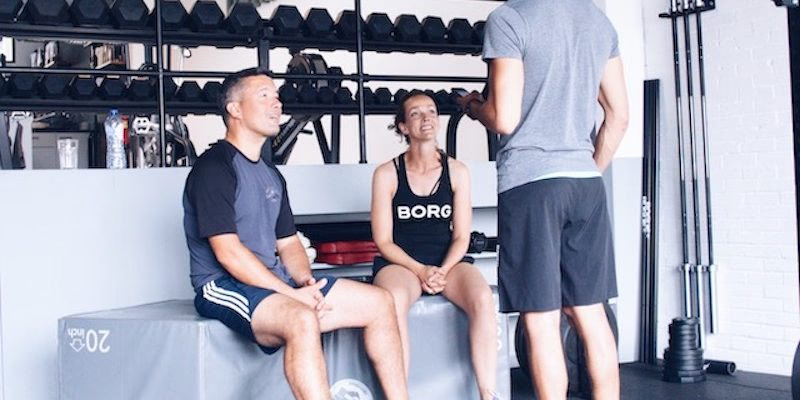
Read more
Koffie-1024x512
NutritionBy Bobby Stevens27-02-2018

The science behind caffeine

In this article about the science behind caffeine: Can you still remember what you felt when you had your very first cup of coffee this morning? An improved focus and perhaps even euphoria. But that third, fourth, or fifth cup you drink thoughtlessly without experiencing any particular feeling. Dutch people drink an average of 2.4 cups of coffee per day, which is the highest average in the world. We know how to do it. But what is the actual effect of coffee on your body? We looked into it. The science behind caffeine explained Caffeine tolerance The active substance in coffee is caffeine, the most popular stimulant worldwide. Some people may experience tension or anxiety from caffeine consumption, but most people primarily experience happiness, relief, and/or alertness from caffeine. Unfortunately, you will only experience these euphoric effects if you hardly drink coffee. Drinking just one cup of coffee already increases your caffeine tolerance, causing your body to get used to these effects. The effect of caffeine Caffeine can block various receptors in the brain. The so-called A1 receptor in your brain increases sleepiness; caffeine blocks this receptor and increases alertness. Additionally, the A2 receptor is blocked, which increases dopamine levels. Dopamine has a stimulating effect on your mood. The proven effects of caffeine Besides the fact that coffee is part of our daily life and most of us cannot imagine a day without it, there are also several (positive) effects that have been scientifically researched and proven. Caffeine can enhance cognition Because caffeine increases the production of adrenaline and dopamine, improved focus and mood can be experienced. However, when you regularly drink coffee, your body becomes accustomed to these amounts, and consuming it will only keep your adrenaline and dopamine levels stable. Additionally, caffeine can stimulate memory, even in people who are not used to drinking coffee. Overall, it can be concluded that caffeine can improve the cognitive performance of occasional coffee drinkers and ensures that the cognitive performance of heavy coffee drinkers remains 'normal'. 2. Caffeine can increase strength output A caffeine dose of 400-600 mg can temporarily increase your strength level. People who hardly consume caffeine will experience a significant difference in strength output during strength training. Furthermore, the intake of caffeine alongside carbohydrates can promote the absorption of glycogen, which is particularly important if you train multiple times a day. 3. Caffeine can help burn fat There are two determining effects for fat burning in which caffeine can play a role. The thermic effect of food is the extra energy the body uses to digest and absorb food. Caffeine increases the body's heat production, which can temporarily enhance the thermic effect and stimulate fat burning. Additionally, caffeine can increase the levels of cAMP, a substance that lowers triglyceride levels (fats) in your fat cells and improves protein synthesis in muscle cells. Caffeine consumption Well, the science behind coffee and the active ingredient caffeine is clear. There are several potentially positive effects of caffeine, but these will mainly be experienced by occasional coffee drinkers. Heavy coffee drinkers build a tolerance to caffeine, and coffee consumption will only serve to maintain levels in the body. Is caffeine bad for you then? Those who regularly consume too much caffeine may experience insomnia, restlessness, and an increased feeling of tension. What is too much, however, varies for everyone. The advice is to listen to your body and do what feels right for you. After reading this article, you will at least be a bit wiser about the effects of caffeine. If you have any further questions, you can always visit the coffee corner of Daadkracht ;-). Source: “The science behind caffeine”. Examine.com . Also read: 5 breakfasts with more than 25 grams of protein · more articles on our blog · personal training at Daadkracht .
Read more
havermout-cake-appeltaart
NutritionBy Bobby Stevens05-04-2017

Oatmeal cake with apple pie flavor

In this article about oatmeal cake with apple pie flavor: What is better than a healthy snack around 11 AM or 4 PM? This oatmeal cake, which tastes like apple pie, is the solution. Additionally, you can also eat a slice of this cake for breakfast with a scoop of low-fat yogurt, for example. Bake it on a quiet Sunday and wrap it in aluminum foil, so you can enjoy it all week long! Oatmeal cake with apple pie flavor explained Ingredients 100 grams of oatmeal 1 banana 120 grams of fresh soaked dates 1 egg 1 tablespoon of baking powder 50 grams of almonds 1 apple 60 grams of raisins Cinnamon Optional: cacao nibs or cranberries Preparation method Preheat the oven to 180 degrees. Mix the oatmeal, banana, dates, and almonds in a food processor or strong blender. Then add the egg and baking powder and mix again. Peel the apple and cut it into small pieces. Stir in a separate bowl with the raisins, cinnamon, and possibly other fillings like cacao nibs or cranberries. (more options: vanilla protein powder, mulberries, or walnuts). Fold the filling into the batter and stir together (do not mix/blend, otherwise you won't have whole raisins, etc.). Grease the cake tin with coconut oil. Pour the batter into the cake tin and smooth it out. Place the cake in the oven for 30 minutes. Remove the cake from the oven and let it cool completely. Take the cake out and serve in thick slices. Enjoy! Did you know: This cake contains no added sugars? This cake is perfect as a snack but also as breakfast? Oatmeal is high in fiber? Good luck with baking! If you decide to make this cake at home, don't forget to share the result and tag me on my Facebook & Instagram . Also read: 5 breakfasts with more than 25 grams of protein · more articles on our blog · personal training at Daadkracht .
Read more
lifestyle-362x181
LifestyleBy Bobby Stevens12-09-2024

This is how you transition from dieting to a healthy lifestyle.

In this article about how to transition from dieting to a healthy lifestyle: Dieting may seem like a good idea in the short term, but in the long run, it is often difficult to maintain. The result is that you keep falling back into the same unhealthy habits. Recognizable? Discover which tools can help you learn a healthy lifestyle that is achievable. How to transition from dieting to a healthy lifestyle explained The difference between a diet and a healthy lifestyle In a previous article , we already discussed the reason why dieting (in the long term) does not work. Dieting is often focused on a short-term adjustment in eating habits to lose weight. Names like Sonja Bakker, Doctor Frank, and Weight Watchers are well-known in the dieting world. However, the downside of such a diet is that it often aims for rapid weight loss without much attention given to changing or optimizing exercise and lifestyle habits. A sustainable lifestyle focuses more on learning healthy habits and behaviors that ensure you can maintain a healthy weight in the long term. This prevents the yo-yo effect and makes healthy living more enjoyable and easier. The benefits of a healthy lifestyle compared to a diet It can be quite challenging to adjust your lifestyle. This has everything to do with behavioral change. Every person has certain habits and behaviors, ingrained patterns that you often maintain for a long time. An adjustment requires you to examine what you are used to and make different choices. And we often find that change difficult as humans. Nevertheless, it is immensely rewarding to become aware of your lifestyle choices. How you feel on a daily basis is largely a sum of the choices you make for your own health. Short-term adjustments can help, but ultimately you benefit most from a sustainable healthy lifestyle. Here are some advantages of a healthy lifestyle in the long term: 1. A sustainable lifestyle is easier to maintain A healthy lifestyle consists of healthy eating, sufficient physical activity, and other daily habits. The goal of this lifestyle is to make adjustments based on your needs and integrate a healthy way of living into your daily routine. This way, you can continuously experience the benefits of a healthy lifestyle without falling back into unhealthy patterns. Many diets, on the other hand, focus on quick results and are often strict, which can lead to temporary weight loss. However, these diets are difficult to maintain in the long term, causing people to often revert to their old habits and regain the lost weight (the so-called yo-yo effect). 2. A sustainable lifestyle structurally improves your health By consistently eating healthy, exercising enough, managing stress, and sleeping well, you reduce the risk of chronic diseases such as heart disease, type 2 diabetes, and certain forms of cancer. A sustainable lifestyle also supports healthy blood pressure, cholesterol levels, and a stronger immune system in the long term. While diets are often focused on quick weight loss by significantly reducing calories or eliminating certain food groups, this can lead to a deficiency in essential nutrients, which can be harmful to health in the long run. Although you may see results in the short term, the health benefits can quickly disappear when you stop the diet, often creating deficiencies in the body. 3. A sustainable lifestyle supports your mental health A healthy lifestyle often takes a holistic approach. Attention is paid to multiple facets of health, both physical, mental, and emotional. This can lead to better mental health, less stress, and a positive self-image. Thus, a healthy lifestyle not only helps you feel better but also enables you to make better choices in your daily life. Strict diets can often cause stress, especially if they lead to social isolation or feelings of failure when goals are not met. This can lead to an unhealthy relationship with food and negatively impact mental health. 4. A sustainable lifestyle ensures weight management A balanced diet combined with regular physical activity leads to a stable and healthy body weight in the long term. This is not only good for physical health but also for maintaining a positive self-image. While short-term diets often lead to quick weight loss, this is often not sustainable. Many people experience a return to their old weight or even weight gain after the diet ends, as they revert to old eating habits. 5. A sustainable lifestyle improves your social-emotional life By adopting a healthy lifestyle, you create a positive and sustainable relationship with food, exercise, and yourself. This positively influences your social life and emotional well-being, as you have more energy and self-confidence. In contrast, diets can limit social interactions, especially if they impose restrictions that make it difficult to participate in social meals or activities. This can lead to feelings of isolation and stress. In short, a long-term healthy lifestyle offers lasting benefits for your overall health and well-being. It creates a solid foundation for a long, healthy, and happy life. Short-term diets may yield quick results but often lack the sustainability and benefits of a healthy lifestyle, making them less effective in the long run. The 3 elements of a healthy lifestyle Learning a sustainable lifestyle takes time and requires attention. Additionally, a healthy way of living consists of various elements. How do you adjust your way of life? Below you will find three important elements of a sustainable lifestyle to work on. 1. Nutrition There is a reason why it is often said: “You are what you eat.” The food you consume plays a significant role in how you feel; after all, it is your fuel. It is difficult to define what ‘healthy nutrition’ is because this varies for everyone. It is especially important to find a dietary pattern that suits your body and needs. But generally, we advise eating as varied as possible. This means that you should include carbohydrates, fats, and proteins, with a particular emphasis on having three substantial meals. Add enough protein to your meals so that you feel satiated, and vegetables and fruits provide the necessary vitamins and minerals. Furthermore, try to avoid refined sugars, saturated fats, and processed products as much as possible. In addition to your nutrition, water plays an essential role in various functions of the body, such as good digestion and the elimination of waste. Therefore, drink enough water, about 2.5 to 3.5eliters per day. Also, try to limit the consumption of calorie-containing drinks like soda as much as possible. 2. Training A healthy lifestyle requires not only the right nutrition but also sufficient activity. Your body is made to move. Daily activities such as walking and cycling are always good. To keep your body fit and strong, you need to incorporate training into your lifestyle. Choose forms of exercise that you enjoy and can maintain. Additionally, we recommend doing strength training , as this type of training supports you in aging healthily and vibrantly. Preferably train at least 2 times a week and ensure that you disrupt homeostasis (the current state of the body) for optimal training effect. This way, you stimulate your body to become stronger. The fitter your body is, the more it can withstand diseases and other setbacks. 3. Recovery The last important element of a healthy sustainable lifestyle is your recovery. In addition to healthy nutrition and sufficient effort, your body also needs relaxation. A good night's sleep is essential for your body's recovery. During your sleep, for example, muscle tissue is repaired, and the nervous system and immune system are maintained. It ensures that you can perform your tasks rested the next day. Besides a good night's sleep, your recovery during the day is also important. Balance your stress levels throughout the day by meditating or doing breathing exercises. Various forms of yoga also help your body to relax. This way, you take good care of your mental health, help your body recover, and can also fall asleep more easily in the evening. How can I lose weight while maintaining a healthy lifestyle? If you have the goal of losing weight alongside a healthy lifestyle, you simply need to consume fewer calories through your diet than you burn daily (caloric deficit). To avoid the negative effects of very low calorie intake, such as muscle breakdown and a slowed metabolism (see also, “Five reasons why dieting doesn't work in the short term” ), you should limit the caloric deficit to 10% to 20% of your total daily energy needs. You learn a sustainable healthy lifestyle at Daadkracht Integrate these tips into your lifestyle to adopt a sustainable healthy lifestyle. If you want to lose weight, create a caloric deficit of 10% to 20% and ensure you get physical activity (read here how strength training helps with weight loss). Do not expect to achieve your desired results within 3 weeks; reaching your goal and learning a new lifestyle takes time. This way, you adjust your lifestyle responsibly and prevent the negative effects of drastic dieting. Do you need more guidance? Book a trial lesson at one of our studios in Overveen or Heemstede. References Katan, M. (2008). What is healthy? Myths & Facts about nutrition . Publisher Bert Bakker, Amsterdam. Personal Hormonal Profiling , Course material, The Overload Worldwide. Verburgh, K. (2012). The Food Sand Timer . Publisher Prometheus, Amsterdam. Wardt van der, M. (2015). “How to create your own meal plan?” Retrieved on February 2, 2015 via : http://fitzonderfabels.nl/2015/01/14/hoe-stel-je-zelf-een-voedingsschema-op/

Read more
100-lentil-800x400
NutritionBy Bobby Stevens12-08-2019

Recipe: lentil tabbouleh

In this article about lentil tabbouleh recipe: Lentil tabbouleh 🍅 — Lentils are rich in dietary fiber and protein. By seasoning them nicely and fresh, you create a delicious summer dish! Perfect just for lunch or as a salad for the BBQ! This recipe is from Jamie Oliver, but it's too good not to share. — Ingredients for 4 people lentil tabbouleh 👩‍👩‍👧‍👦: – 200 grams of lentils (450 grams if using pre-cooked lentils) – 200 grams of cherry tomatoes – 3 spring onions – bunch of parsley – bunch of mint – 1 lemon – olive oil — Lentil tabbouleh recipe explained Preparation: 1. Cook the lentils according to the package instructions and let cool. 2. Cut the cherry tomatoes in half. Finely chop the spring onions, parsley, and mint. Add all of this to the lentils and mix together. 3. Season the lentils with the juice of 1 lemon, a splash of olive oil, pepper, and salt. — Per serving: Calories: 288 Fats: 14.5 grams Proteins: 13.7 grams Carbohydrates: 27.7 grams For more recipes, check out the blog Also read: 5 breakfasts with more than 25 grams of protein · more articles on our blog · personal training at Daadkracht .

Read more
kikkererwten-100-640x320
NutritionBy Bobby Stevens26-09-2019

Hearty chickpea-coconut soup with a kick

Who doesn't get happy from a hearty warm soup in this autumn weather? This hearty chickpea-coconut soup with a kick is packed with chickpeas, coconut, tomato, and onion. The spices ensure that every bite is bursting with flavor. The coconut milk, tomato, and onion give the soup its sweetness, add half a red chili pepper for a bit of heat! Hearty chickpea-coconut soup with a kick explained Ingredients for 4 people – 1 tbsp coconut oil – 400 grams tomatoes – 450 grams chickpeas (drained) – 2 onions – 3 cloves garlic – half a red chili – 400 grams coconut milk – 1 1/2 tbsp garam masala – 1 tbsp curry powder – 1 tsp cumin – half a lime Preparation method 1. Chop the tomatoes, onion, garlic, and red chili. 2. Sauté the tomatoes, onion, and red chili in the coconut oil over medium heat. Add pepper and salt. Reduce the heat and cook the tomatoes and onions until both are soft (about 10 minutes). 3. Add the chickpeas, garlic, garam masala, curry powder, and cumin to the mixture and stir well, letting it sit on the heat for 2 minutes. 4. Now add the coconut milk, stir well, and let it simmer gently for about 10 minutes. 5. Finally, add the juice of half a lime and blend the soup until smooth with an immersion blender. Taste, and add more pepper and salt if desired. Enjoy! Nutritional value per bowl Calories: 390 Carbohydrates: 28 grams Fats: 24 grams Proteins: 12 grams Also read: 5 breakfasts with more than 25 grams of protein · more articles on our blog · personal training at Daadkracht .
Read more
bankdrukken
TrainingBy Bobby Stevens10-04-2025

Bench Press: Everything You Need to Know

In this article about bench pressing, everything you need to know: When you think of bench pressing, you might picture that big strong man in the gym pushing a barbell full of weights with a lot of noise. But this exercise is suitable for almost anyone who does strength training. In fact, it is one of the most popular compound exercises that belongs in a comprehensive training program. Bench pressing everything you need to know explained What is bench pressing? Bench pressing, also known as bench press, is a strength exercise where you push a barbell with weights up from your chest while lying on a bench. It is one of the most popular and effective exercises for building strength and muscle mass, especially in the chest muscles ( pectoralis major ), triceps, and shoulders. What are the benefits of bench pressing? Bench pressing has many benefits, especially if you want to make your upper body stronger and more muscular. Here are the main benefits of bench pressing: 1. More strength in your upper body Bench pressing primarily targets the large chest muscle ( pectoralis major ), which results in a wider and fuller chest. Your triceps ( triceps brachii ) and front shoulder muscles ( anterior deltoid ) are intensively trained, which helps with other pushing movements. Bench pressing is one of the three major strength exercises in powerlifting (alongside squats and deadlifts) and helps develop functional strength. You can use this well when pushing or lifting heavy objects. 2. Stronger bones and joints in your upper body Bench pressing also contributes to strengthening your bones. It increases bone density, which can help prevent conditions such as osteoporosis. Additionally, it strengthens your joints, particularly the shoulders and elbows, by training the tendons and ligaments in those areas. This provides better stability and reduces the risk of injuries in other physical activities. 3. Increased muscle mass and burning What is a well-known benefit of strength training is that by increasing muscle mass, fat burning is also enhanced. Although bench pressing is primarily a muscle-building exercise, it boosts metabolism as muscles are stimulated and grow, causing them to burn more calories, even at rest. 4. Many variations within bench pressing Bench pressing is an exercise that you can vary in many ways. Besides the traditional flat bench press where you lie on a bench, you can work with incline or decline benches , or even with dumbbells instead of a barbell. These variations ensure that you train different parts of your chest and arms and prevent you from hitting a plateau. Moreover, you can progressively overload the exercise by continually increasing the weight, which helps with consistent strength gain and muscle growth. Bench Press: Different Bench Press Variations There are various bench press variations, each with its own focus and benefits. Here are the main variants and what you specifically train with the exercise: 1. Flat Bench Press (Standard Variant) This is the classic execution where you lie on a flat bench and lower the barbell to your chest and push it back up. This variant targets the entire chest muscle ( pectoralis major ), the triceps, and the front shoulder muscles ( deltoideus anterior ). 2. Incline Bench Press (Inclined Variant) In this variant, the bench is set at an angle of about 30-45 degrees upward. This places more emphasis on the upper part of the chest muscles and the shoulders. This is a good choice if you want to develop a fuller upper chest. 3. Decline Bench Press (Declined Variant) Here, the bench is set at a downward angle, which puts more pressure on the lower part of your chest. This can help in developing a fuller chest and may also be less taxing on the shoulders. 4. Close-Grip Bench Press (Narrow Grip Variant) By placing your hands closer together on the bar, the focus shifts more to the triceps and the front of the shoulders. This is a good variation if you want to build stronger arms or activate your triceps more. 5. Wide-Grip Bench Press (Wide Grip Variant) In this variant, you place your hands wider on the bar, which emphasizes the chest muscles and slightly reduces the range of motion. This can help generate more power but also places more strain on the shoulders. 6. Dumbbell Bench Press (Dumbbell Variant) Instead of a barbell, you use dumbbells, allowing for greater freedom of movement. This provides a deeper stretch in the chest muscles and activates stabilizing muscles, as both arms work independently. 7. Floor Press (Floor Variant) You lie flat on the ground and press the bar or dumbbells upward. Since your elbows touch the floor, the range of motion is limited, and the emphasis is placed more on the triceps and lockout strength. Depending on your training goals and personal needs, you can alternate these variations. How to Avoid Common Mistakes in Bench Pressing Bench pressing is a technical exercise where you can quickly make mistakes that hinder your progress or cause injuries. Here are the most common mistakes in bench pressing and how to avoid them: 1. Incorrect Grip Width A grip that is too narrow or too wide can lead to wrist and shoulder issues. Solution: Keep your hands slightly wider than shoulder-width and ensure your forearms are perpendicular to the bar in the bottom position. 2. No Tight Set-Up A loose posture reduces strength and stability. Solution: Squeeze your shoulder blades together, plant your feet firmly on the ground, and maintain tension throughout your body. 3. Not Controlling the Bar Fully Lowering the bar too quickly or bouncing it off your chest increases the risk of injury. Solution: Lower the bar in a controlled manner and press explosively upward without using momentum. 4. Incorrect Elbow Position Elbow position affects your strength and shoulder load. Solution: Keep your elbows at about 45 degrees from your torso to minimize shoulder strain. 5. No spotter or safety measures Without a spotter (someone who can guide the bar back into the rack in case of muscle failure) or safety supports, a failed repetition can be dangerous. Solution: Use a spotter or safety bars, especially with heavy weights. To bench press injury-free, it is important to focus on technique, progressive overload, and to listen to the limits of your body. Bench Press in Your Training Schedule It should be clear that the bench press is an essential exercise for strength and muscle mass in your chest, shoulders, and triceps. But how do you effectively incorporate it into your training routine? Here are some guidelines to help you: 1. Determine Your Goal Do you want to build muscle mass (hypertrophy), strength, or endurance? Muscle Growth: 3-4 sets of 8-12 repetitions Strength: 4-6 sets of 3-6 repetitions (with heavier weight) Endurance: 2-3 sets of 12-15 repetitions 2. Choose the Right Frequency Full-body schedule: Bench press 2x per week Push/pull/legs schedule: 1-2x per week on ‘push days’ Upper/lower schedule: 2x per week in your upper body training 3. Combine with Supporting Exercises To get stronger in the bench press, it also helps to add other exercises to your upper body routine: Shoulders: Overhead press Triceps: Dips, skull crushers Chest: Incline dumbbell press, flys Back: Pull-ups, barbell rows (for stability) 4. Plan Sufficient Recovery After an intense strength training session, your muscles need time to recover and grow. Ensure: At least 48 hours of rest between heavy bench press sessions Sufficient protein and sleep for optimal recovery 5. Progressive Overload To get stronger in your upper body, you need to keep challenging your muscles . Therefore, gradually increase the weight or the number of repetitions. Small steps ensure continuous progress without injuries. Bench Press at Daadkracht A set of bench presses should not be missing from your training schedule to ensure a strong upper body. Combine different variations of the bench press, supporting exercises, and these tips to ensure proper execution. Need help? Book a free trial lesson at our studio in Overveen or Heemstede and work under the professional guidance of a personal trainer on your fitness goals.

Read more
gezondvoedingspatroon-1024x512
NutritionBy Bobby Stevens19-06-2018

What is a healthy diet?

In this article about what constitutes a healthy diet: Earlier, we wrote about why dieting doesn't work. The question remains, of course, what does work? What is healthy eating? Let's establish that food itself cannot be labeled as healthy or unhealthy because it must always be viewed in the context of the diet or eating pattern. What is a healthy diet explained An example: sweet potato contains a lot of vitamin A, so you could say that this is a healthy product. But if you then consume too much sweet potato and also combine it with many other products that contain vitamin A, you could suffer from vitamin A toxicity. To determine whether something is healthy, the product must always be placed in the context of the diet. We will put a number of nutrients in perspective for you. Water Water is often referred to as the most important nutrient. It is the only nutrient we cannot live without, even if it's just for a few days. Dehydration of more than 7% of body weight already poses an acute risk of death. It is therefore not surprising that even a lesser degree of dehydration can affect your health and performance. On the other hand, overhydration can also be harmful. But what is the optimal intake? This varies per person, body weight, and level of exertion, but fortunately, your body has a system for this: thirst. This is how your body regulates that you get enough water. Do remember that it is wise to drink more during extreme exertion, such as a workout or in heat. Meat, fish, and poultry Processed meat is meat that has undergone chemical processing to make it last longer or to change its flavor. This includes methods such as smoking, drying, salting, or canning meat, or adding preservatives. This type of meat increases the risk of cancer. Therefore, the advice is to eat mainly unprocessed meat, such as steak. Regarding fish, there is often talk about the mercury content in certain fish. Too much mercury is harmful to health, but there are only a few types of fish (shark, swordfish, king mackerel) where the levels are so high that you should be concerned about your health. Eating fish on a weekly basis is actually beneficial for your health. Poultry such as turkey and chicken are nutrient-rich products and contain a lot of protein. There is little controversy regarding the health effects of poultry, and it is certainly advisable to include this regularly in your diet. Eggs It is sometimes said that eggs are bad for your heart or cardiovascular system. However, there is absolutely no scientific evidence for this. Eggs are actually good for your health , as they contain important building blocks that your body needs, such as micronutrients, vitamin B, and antioxidants. There is, on the other hand, a lot of scientific evidence for this. Eggs can therefore be seen as an essential part of any diet. Need inspiration? Check out 5 ways to eat eggs here. Dairy There is often negative talk about dairy. This is because many people experience digestive issues when consuming milk. Lactase is the enzyme used to digest milk sugar, lactose. People who do not produce enough lactase typically suffer from diarrhea and other digestive problems when consuming dairy that contains lactose. Only one third of adults are able to produce enough lactase to digest lactose. If you are not intolerant to lactose or any of the proteins in dairy, there is no reason to avoid dairy from unprocessed sources. It is actually very nutritious and healthy due to the proteins and vitamins it contains. Vegetables & fruits There is little controversy surrounding vegetables and fruits. These nutrients form the basis of any diet and are incredibly nutritious. Do consider the type of vegetables and fruits you consume. For example, it is advisable to eat fresh vegetables and fruits and also to vary sufficiently. Each type of vegetable contains different nutrients that your body needs, so variety is important. Additionally, it is advisable to avoid consuming canned or jarred vegetables and fruits as these contain added sugars and E-numbers. Do you find it difficult to consume enough vegetables? Check out these tips. There is actually no straightforward answer to the question of what a healthy diet is. This is entirely dependent on you as a person, your size, the extent to which you exercise, and how you respond to certain nutrients. However, knowledge about certain nutrients can contribute to creating a diet that suits you and is healthy. If you would like to know more about the above or other nutrients and their addition to your diet, please contact us. We are happy to help. Source: Bayesian Bodybuilding – Health and diets: a conceptual framework. Also read: 5 breakfasts with more than 25 grams of protein · more articles on our blog · personal training at Daadkracht .

Read more
havermout-pannenkoekjes-frambozen-munt-1-366x183
NutritionBy Bobby Stevens14-09-2022

Oatmeal pancakes with mint and raspberries

Healthy breakfast? Overnight oats or a bowl of yogurt are quick to make, but if you want to treat yourself, these oatmeal pancakes are highly recommended. Here's how to make this fresh variant with mint, cottage cheese, and raspberries. Responsible oatmeal pancakes In this article about oatmeal pancakes with mint and raspberries: The ingredients you need for oatmeal pancakes can be compared to a bowl of oatmeal. No pre-packaged pancakes or pancake mix, but as many natural and pure ingredients as possible. This makes these oatmeal pancakes not only a treat but also quite responsible. Try making them on a relaxed Saturday or lazy Sunday. Oatmeal pancakes with mint and raspberries explained Requirements (for 2 people) 1 teaspoon baking powder 1 tablespoon honey or agave syrup 1 teaspoon cinnamon 100 ml almond milk Coconut oil 35 grams oatmeal 1 banana 1 egg Toppings: raspberries, mint, cottage cheese, and agave syrup. Preparation method Blend the oatmeal flakes in the blender until they become oat flour. Add the banana and mix again. Then add the egg, baking powder, honey, and cinnamon. Finally, add some almond milk to thin the batter. (Note: the batter doesn't need to be as thin as regular pancake batter, so go by feel). Heat some coconut oil in a frying pan and make small pancakes. Stack the pancakes on top of each other. Garnish as desired with the toppings. Enjoy your meal! Share your Daadkracht Dish We love to see you making our recipes. Share your pancakes via Instagram or Facebook with #daadkrachtdish For more food inspiration, check here .

Read more
Ademoefeningen-na-het-sporten-768x509
TrainingBy Bobby Stevens20-04-2023

Cool-down exercises after working out

In this article about breathing exercises after working out: Out of breath after a tough workout? That's understandable! Your breathing plays an important role before, during, and after exercising. By consciously controlling your breath, you can calm your breath and your entire system after working out. We’ll help you get started. There are countless breathing exercises available. For example, there are breathing exercises to calm down, improve your focus, or regulate your emotions. In this article, we share why breathing exercises after working out are recommended and which breathing exercises are best to do after exercising. Why do breathing exercises after working out? During a workout, your body has to work harder. This creates a form of 'stress' for the body, triggering certain processes. Your body switches to a more action-oriented state. Your heart rate increases, your breathing quickens, and you sweat more. These processes are automatically regulated by the autonomic nervous system. Fortunately, this happens automatically because during exercise, you need your concentration for the workout. After a training session, your body needs to switch back to that relaxed state so that all the processes necessary for functioning in daily life can work optimally again. Just as your body automatically switches to a more action-oriented state, it can also automatically switch back to a more relaxed state. However, because we live in a society filled with stimuli, obligations, and external pressure, it can be more challenging for your system to switch back. Previously, we shared that cooling down exercises can help with this. Additionally, by consciously breathing, you signal your nervous system that it is safe to relax. With breathing exercises after working out, you can support your body to continue functioning optimally. Three breathing exercises after working out Finished a tough workout? These three breathing exercises after exercising help you to calm down, focus, and experience connection. 1. The 4-7-8 breathing The 4-7-8 breathing immediately promotes relaxation. The counting indicates the breathing pace. You inhale for 4 counts, hold your breath for 7 counts, and exhale for 8 counts. The pause between inhalation and exhalation helps normalize your blood pressure and heart rate. By extending your exhalation, your system can relax. With this combination, you signal your nervous system that it is safe, allowing you to calm down. This makes this technique not only suitable for bedtime, but also a great breathing exercise to do after working out. 2. The box breathing The box breathing is a popular breathing technique to bring your system back into balance. You inhale for 4 counts, hold for 4 counts, exhale for 4 counts, and hold again for 4 counts. Because the inhalation, pause, and exhalation all have the same tempo, your system can regain balance. This brings the focus back to yourself. 3. The 3-3 connected breathing A workout creates tension and stress for your system. We often tend to hold our breath when we experience tension. During a training session, you might also consciously hold your breath. By breathing connectedly, you break through stored tension. You eliminate the pause between inhalation and exhalation, allowing your breath and energy to flow more freely. Exercising at Daadkracht In our personal lifestyle studios in Overveen & Heemstede , we focus on both effort and relaxation. We tailor our training based on your lifestyle circumstances. We often conclude a training session with breathing exercises for after the workout. Additionally, we collaborate with breath coach Elsa Sophie , who can guide you in opening your breathing system, allowing you to break through stored tension, unprocessed emotions, and limiting patterns with the help of breathwork.

Read more
100-loempias-800x400
NutritionBy Bobby Stevens12-09-2019

Recipe: healthy Vietnamese spring rolls

In this article about the recipe for healthy Vietnamese spring rolls: Healthy Vietnamese Spring Rolls 🌶 Actually more of a how-to than a recipe, since you can fill the ready-made rice papers with whatever you like or have at home! These healthy Vietnamese spring rolls are much better for your body than the fried version and at least just as tasty. Or even tastier, we think. We made them with carrot, cucumber, bell pepper, mango, and peanuts. Some filled with tempeh, others with chicken. Serve with peanut dressing or a bowl of soy sauce! 🥜 Recipe for healthy Vietnamese spring rolls explained Ingredients for +/- 16 healthy Vietnamese spring rolls with chicken: – 16 rice papers – 2 carrots – 2 bell peppers – 1 cucumber – 1 mango – 300-400 grams of chicken thigh – handful of peanuts – 1 red chili Preparation: 1. Cut all the vegetables and the mango into strips of the same size. 2. Marinate the chicken (for example with paprika powder, chili powder, pepper, and salt) and cook it until done. 3. Cut the chicken into strips as well. Then chop the red chili and peanuts finely. 4. Soak a rice paper in warm water (+/- 1 min), place the rice paper on a plate and pile the ingredients just below the center of the rice paper. 5. Fold the bottom of the rice paper over the ingredients. Now fold the sides inward and roll the spring roll tightly. Repeat until all ingredients are used up. For the sauce, mix the following ingredients : – 2 tbsp peanut butter – splash of soy sauce – clove of garlic – tsp sambal – 100 ml milk (or water) – half a lemon Nutritional values per spring roll: Calories: 74 Protein: 6.8 grams Fats: 2.6 grams Carbohydrates: 4.4 grams For more recipes, check out the blog Also read: 5 breakfasts with more than 25 grams of protein · more articles on our blog · personal training at Daadkracht .
Read more
dieten-is-ongezond-362x181
LifestyleBy Bobby Stevens29-08-2024

Five reasons why dieting doesn't work

In this article about five reasons why dieting doesn't work: You've tried a diet before. With good intentions, you start a new eating plan, but after a while, you throw in the towel and find yourself back at square one. Why are diets so hard to maintain? And why do they often result in a yo-yo effect or even more weight gain? We explain. What is dieting, actually? To clarify why dieting doesn't work, it's first important to define what we mean by dieting in this article. Nowadays, there are so many different diets and opinions about nutrition that clarity is in order. Here, we define dieting as: ‘a drastic (short-term) adjustment in calorie intake with the goal of losing weight’. In recent years, ‘Sonja Bakkkeren’ and ‘Weight Watching’ have almost been elevated to verbs. Such a diet provides a framework, a guideline for how you can lose weight – in a short time. At first, it seems successful; the first weeks the pounds drop off quickly. But after a while, you hit a plateau, leading to frustration and demotivation. Why does that happen? Five reasons why dieting doesn't work To clarify why dieting is not the solution in our view, we explain five principles that explain the underlying issues with weight loss. 1. Dieting slows down your metabolism Your metabolism is nothing more than your bodily processes. Even when your body is at rest, you consume energy to pump your heart, digest food, and eliminate waste. As a result of very low calorie intake, the metabolism slows down. This means your body burns less energy at rest, which can ultimately lead to a plateau in weight loss. 2. Dieting negatively affects your body composition When your calorie intake is very limited during a diet, your body desperately tries to survive by making the metabolism more efficient. This happens, among other things, by storing food as fat to build a reserve for ‘even’ worse times. At the same time, the body reduces muscle mass (if you don't train), while this is precisely the engine of the body. Compare it to a car; the larger the engine, the more fuel it consumes. In other words, body composition can be negatively affected by dieting, increasing body fat percentage while decreasing muscle mass. In short, you may lose body weight, but you look worse in the mirror. In this article, we share more about how strength training can help you lose weight. 3. Dieting creates deficiencies in the body During a diet, the body usually receives too few valuable nutrients, creating deficiencies in your body. When you don't get enough vitamins and minerals, you are more likely to suffer from fatigue, colds, and the chance of getting sick increases. If you feel weak and lethargic, you become demotivated more quickly, and the likelihood of giving up your intentions is high. Recognizable? 4. Dieting disrupts your hormonal balance If you consume a limited number of calories for a certain period, chronic stress can develop in the body. Your cortisol levels rise, which negatively affects hormonal balance. The consequences include insulin resistance (leading to increased fat storage), muscle breakdown, and a slowed metabolism. Moreover, cortisol is also known as the ‘hunger hormone’; it increases your appetite, causing you to make unhealthy choices more quickly when you experience stress. Thus, calorie restriction indirectly triggers processes in your body that disrupt balance and make weight loss more difficult. 5. Dieting does not address the root cause of the problem A diet usually involves a drastic change in eating habits, leading to the avoidance of certain products and nutrients for a while. The fact is that this does not tackle the core of the problem; unhealthy (eating) habits persist. As a result, after the diet ends, people often revert to their old ways. This leads to regaining weight just as quickly, commonly known as the yo-yo effect. Why dieting doesn't work In short, a diet that focuses on a short-term calorie deficit without the right exercise actually triggers the wrong processes in your body. You create deficiencies in your body, your hormonal balance is disrupted, and your metabolism becomes confused. As a result, weight loss stagnates, you become frustrated, stop the diet, and regain weight. You are back to square one. From unsustainable diets to a sustainable lifestyle Diets may offer short-term results, but in the long run, they are ineffective. Our solution? Learning a healthy lifestyle that is achievable in the long term. You do this by exploring what your calorie needs are, which foods you can digest well, and how to create complete and healthy meals. Additionally, a healthy eating pattern is just one part of maintaining a healthy weight. Sufficient exercise and regular training are just as important if you want to lose weight, build muscle mass, or maintain your weight. Transitioning from an unsustainable diet to a sustainable lifestyle? Book a free trial lesson in Overveen or Heemstede; we are happy to help you. References Katan, M. (2008). What is Healthy? Myths & Facts about Nutrition . Bert Bakker Publishing, Amsterdam. Personal Hormonal Profiling , Course Material, The Overload Worldwide. Verburgh, K. (2012). The Food Sand Timer . Prometheus Publishing, Amsterdam.

Read more
zalmburger-100-800x400
NutritionBy Bobby Stevens15-10-2019

Spicy salmon burger with fresh garlic yogurt dip

In this article about spicy salmon burger with fresh garlic yogurt dip: This week a delicious spicy salmon burger! It is certain that salmon is healthy. But why is that? Salmon naturally contains a lot of omega-3, which works to lower cholesterol and reduce inflammation. Additionally, salmon helps in the production of vitamin D. Enough reason to put this fish on the menu every now and then! Need some inspiration? We made these salmon burgers with dill. Serve them with the fresh yogurt dip and a nice salad! Spicy salmon burger with fresh garlic yogurt dip explained Ingredients for 4 people: Salmon burgers: – 400 grams of salmon – 2 tsp mustard – handful of dill – 1 egg – pepper and salt – 2 tbsp flour Yogurt dip: – 4 tbsp Greek yogurt – 1 tbsp mayonnaise – 1 tbsp lemon juice – sprig of dill, finely chopped – clove of garlic – pepper and salt Preparation method: 1. Grind all the ingredients for the salmon burgers, except the flour, in a food processor. It doesn't have to be completely smooth; some larger pieces of salmon can still be visible. 2. Dust the work surface with flour and form 4 burgers from the salmon mixture. Make sure the burgers are coated with flour on both sides. 3. Cook the salmon burgers in a frying pan until done. Both sides should be cooked for about 3 minutes. Carefully flip the burgers after 3 minutes so they don't fall apart. 4. While cooking, prepare the yogurt dip. Do this by mixing all the ingredients for the dip together. Serve the spicy salmon burger with dip and possibly a salad. Enjoy! Nutritional values: Calories: 204 Fats: 10.6 grams Proteins: 22.8 grams Carbohydrates: 4 grams Also read: 5 breakfasts with more than 25 grams of protein · more articles on our blog · personal training at Daadkracht .
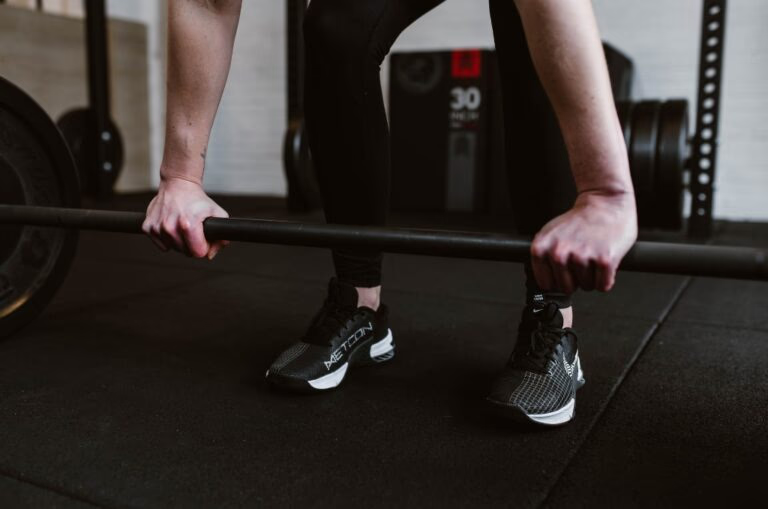
Read more
Deadlift-krachtsoefening-768x509
TrainingBy Bobby Stevens29-05-2024

Building muscle mass with strength training? Here's how to approach it.

In this article about building muscle mass with strength training, here's how to approach it: Do you want to look tighter in the mirror? Do you dream of a muscular body? Or do you simply want to become stronger? Building muscle mass with strength training is the answer. We will explain the basic principles and help you get started. Building muscle mass with strength training explained What is building muscle mass? Muscle mass is the amount of muscle you have in your body. Every person is born with the same muscles. However, not everyone looks equally muscular. This is because building muscle mass is a growth process that needs to be managed, and not everyone pays attention to it. If you want to build muscle mass with strength training, it’s important to understand the basic principles. In this article, we will explain step by step how the process of building muscle mass works and how you can best approach it. The process of building muscle mass If you do not stimulate your muscles, you will not build muscle mass. You can make your muscles grow through hypertrophy, which means you stimulate your muscles with strength training. With strength exercises, you stretch your muscles and put them under tension. This consciously causes damage to your muscle fibers, which forces your muscles to recover and adapt. Through this adaptation process, your muscle mass increases. If you want to build and maintain muscle mass, you must continue to consciously stimulate your muscles. Strength training helps with that. Building muscle mass with strength training Building muscle mass with strength training is the best way to make your muscles grow. To not only understand this process well but also to apply it in your training, we will explain some basic principles of building muscle mass with strength training. Stimulating muscle growth By doing strength training, tension is placed on your muscle fibers; this form of tension is also known as Time Under Tension (TUT). This principle ensures that your muscle fibers are damaged and muscle growth is stimulated. The stronger a muscle fiber becomes, the more stimulation is needed to cause muscle damage. However, muscle damage is not the main goal of strength training. You can see it more as the effect of the exercises. More muscle damage is certainly not better. The most important thing is that your body recovers well so that your muscles can grow in a safe and responsible manner. Understanding supercompensation Due to muscle damage, a process is set in motion where the body must recover and adapt. Strength training causes a stress reaction in the body that weakens it. Your muscles, tendons, attachments, and nervous system are fatigued. As a result, the body needs time to adapt, during which it automatically wants to protect you from the next stress stimulus. This is why the muscle fibers become slightly larger and stronger. This is also known as supercompensation. To continue stimulating that process, your training must provide enough stimulus. Creating Progressive Overload A recurring training stimulus brings us to the last important principle of building muscle mass with strength training, namely progressive overload. Building muscle mass consists of stimulating your muscles during training and the process of supercompensation after training. To build muscle mass, creating progressive overload is important. You are constantly seeking a training stimulus that promotes muscle growth and recovery. This does not mean that you have to lift heavier weights in every training session than the previous one. It means that you keep track of your progress and lift a heavier weight or do more repetitions when the training no longer provides a stimulus. You can notice this when you no longer find the exercises really heavy or for example, you don't have muscle soreness after training. Then it's time for a new stimulus! The Importance of Nutrition in Building Muscle Mass If you want to build muscle mass with strength training, you cannot forget the importance of the right nutrition. You can stick to your training schedule as well as you want, but if you stuff yourself with unhealthy food or consume too few calories, it will not contribute to muscle growth. These basic principles will help you choose the right nutrition when building muscle mass with strength training: Surplus for Muscle Growth If you want to lose weight with strength training , it is important to create a calorie deficit so that you lose fat. But if you want to build muscle mass with strength training, the opposite applies. You want to create a calorie surplus, which is also known as a surplus. This gives your body the building blocks to grow muscle mass. This does not mean that you can stuff yourself with everything you like without limits. By eating between 250 and 400 calories (depending on the person) more per day than you burn, you can grow muscle mass without gaining much fat. Proteins are Essential To build muscle mass, you need sufficient proteins. Proteins in food are converted into amino acids, which are the building blocks that ensure the construction of muscle mass. A protein-rich diet consists of about 30 grams of protein per meal. Another calculation method is 1.8 to 2.0 grams per kilogram of body weight per day. You can divide the total of that calculation over about 3 to 5 meals per day. No idea where proteins are found or how to get enough proteins? Then log your food intake for a period, so you become aware of the macros in food and can make conscious choices that contribute to your goal. Complete Variation Although proteins are essential for building muscle mass, this does not mean that you should eliminate fats and carbohydrates from your diet. Some people think that fats are bad if you want to build muscles or women eliminate carbohydrates because they think it makes them fat. Fats, for example, provide protection for your muscles and cells. And carbohydrates play a role in regulating the stress hormone cortisol. This is not necessarily important for building muscle mass, but it is for your overall well-being and functioning. A varied diet is therefore important; otherwise, your progress will stagnate! Building Muscle Mass with a Personal Trainer Do you want to build muscle mass with strength training and don't know where to start? At Daadkracht, we are happy to help you achieve your personal goal. Visit us for a free trial lesson in Overveen or Heemstede so we can create a targeted action plan.

Read more
40B5C6D5-3019-4D28-BE9A-B240C18ACDFD-800x400
NutritionBy Bobby Stevens14-01-2020

Recipe: stir-fried vegetables with peanut and ginger

In this article about the recipe for stir-fried vegetables with peanuts and ginger: When I have little inspiration for dinner, I prefer to make a large pan of stir-fried vegetables. Deliciously flavored with a homemade stir-fry sauce. Also ideal for using up leftover vegetables! This recipe for stir-fried vegetables with peanuts and ginger is served, for example, with whole grain rice. Recipe for stir-fried vegetables with peanuts and ginger explained Ingredients for 4 people: – 1 Chinese cabbage – 2 bell peppers – 1 carrot – 1 leek – 1 zucchini – 200 grams chicken breast/tofu – 200 grams whole grain rice – 50 grams peanuts Ingredients for the stir-fry sauce: – 2 tbsp olive oil – 4 cloves garlic – 3 cm fresh ginger – 50 ml soy sauce – 2 tbsp rice vinegar – 2 tbsp ginger syrup (can be replaced with honey) – 1 tbsp sambal Preparation method: 1. Boil a pot of water for the rice. Meanwhile, chop the vegetables roughly and cut the chicken breast into pieces. Make the stir-fry sauce. 2. Cook the rice according to the instructions on the package. 3. Heat a wok pan over medium heat with 1 tbsp olive oil. Once the pan is hot enough, add the vegetables (except for the Chinese cabbage), the peanuts, and the chicken to the pan. Stir-fry for 10 minutes. 4. Now add the Chinese cabbage and the stir-fry sauce. Stir-fry for another 5 minutes and serve with the rice. Preparation method for stir-fry sauce: 1. Heat the olive oil in a pan. Finely chop the garlic and ginger and sauté them until fragrant in the pan. Then add the remaining ingredients. Nutritional values per serving of stir-fried vegetables with peanuts and ginger: Calories: 410 Carbohydrates: 49 grams Fats: 12 grams Proteins: 21 grams Also read: 5 breakfasts with more than 25 grams of protein · more articles on our blog · personal training at Daadkracht .

Read more
courgetti-bolognese-recept-stevenspt-366x183
NutritionBy Bobby Stevens07-08-2018

Courgetti recipe: healthy pasta bolognese

In this article about courgetti recipe healthy pasta bolognese: A good plate of pasta is really delicious. However, if you want to limit your carbohydrate intake, this variant is ideal. With a spiralizer, you can easily make pasta from zucchinis, but at Albert Heijn, they now also sell courgetti. By replacing spaghetti with courgetti, you get extra vegetables in and create a light and flavorful pasta dish. Courgetti recipe healthy pasta bolognese explained Ingredients (2 persons) 2 zucchinis 1 onion 1 clove of garlic 50 grams of tomato paste 400 grams of canned diced tomatoes 1 tablespoon oregano 1 tablespoon Italian herbs Lean ground beef Ground meat spices 10 mushrooms 1 sweet pointed pepper Parmesan cheese (optional) Preparation method Make strands from the zucchinis, for example with a spiralizer. Fry the ground beef with some ground meat spices and squeeze a clove of garlic over it. Meanwhile, chop the onion, mushrooms, and pointed pepper into pieces. Add the vegetables when the ground beef is crumbly and brown. Then add the diced tomatoes and tomato paste. Pour in some water as needed so that the sauce is neither too thin nor too thick. Sprinkle plenty of oregano into the sauce to taste. Let it simmer for a while. Stir-fry the courgetti strands in another pan for 2 minutes with some olive oil, salt, and pepper. Divide the courgetti over two plates and spoon the bolognese sauce on top. Add Parmesan cheese as desired. Enjoy your meal! Also read: 5 breakfasts with more than 25 grams of protein · more articles on our blog · personal training at Daadkracht .

Read more
Parelcouscous-recept-met-mediterraanse-kip-1024x512
NutritionBy Bobby Stevens21-04-2025

Pearl couscous recipe with Mediterranean chicken & oven-roasted vegetables

In this article about pearl couscous recipe with Mediterranean chicken oven vegetables: Not in the mood for bread during lunch? A filling salad to take as dinner? Or are you looking for a flavorful dish to surprise your guests? With pearl couscous as a base, you can go in any direction, and this variant with Mediterranean chicken and oven vegetables is super tasty. Here’s how to make this pearl couscous recipe. Pearl couscous recipe with Mediterranean chicken oven vegetables explained Pearl couscous as a carbohydrate source Research shows that Dutch people most often choose bread, rice, or pasta as a carbohydrate source. But have you ever tried pearl couscous? This grain product is surprisingly versatile and has health benefits compared to other carbohydrate sources. Here are some advantages of pearl couscous: Pearl couscous (also known as Israeli couscous) has a few advantages over regular couscous: Absorbs flavors well: Ideal for soups, stews, and salads, as it absorbs sauces and spices well. Firmer and less sticky: Unlike regular couscous, it clumps together less quickly and has a firmer texture with a nice bite. Often more nutritious : Pearl couscous often contains slightly more fiber and protein than regular couscous or pasta, especially if you choose a whole grain variant. Surprisingly versatile: Suitable for both warm dishes and cold salads, making it a versatile choice for various lunch and dinner recipes. Ingredients for pearl couscous recipe with Mediterranean chicken For this pearl couscous recipe, you will need the following ingredients: Pearl couscous (whole grain) 1 red bell pepper 2 sweet potatoes 1 parsnip 1/2 zucchini 1 shallot 2 chicken breasts 3 tablespoons yogurt Feta or goat cheese Optional: coriander Cumin seeds, paprika powder, rosemary, ground cumin, coriander powder, garam masala. Preparation of pearl couscous recipe with Mediterranean chicken This pearl couscous recipe is ready in 45 minutes, and the oven does most of the work. Here’s how to make it: Preheat the oven to 200 degrees. Cut the chicken into pieces and marinate with a spoonful of olive oil, garam masala, cumin, coriander powder, and paprika powder. Let it marinate for a while. Cut the red bell pepper, sweet potato, and parsnip into pieces and spread the vegetables on a baking sheet lined with parchment paper. Season the bell pepper with cumin seeds, the sweet potato with paprika powder, and the parsnip with rosemary. Place in the oven for 25 minutes. Cut the zucchini and shallot and cook the chicken until done in 15 minutes. Cook the whole grain pearl couscous according to the package instructions. Meanwhile, in a bowl, combine the yogurt, season with ground cumin and coriander powder, and thin it out with a little water to make a thick but not too thick sauce. First, scoop a portion of pearl couscous onto a plate and distribute the vegetables and chicken over the plate. Garnish with feta or goat cheese and finish with the yogurt sauce and possibly some fresh coriander. Enjoy your meal! Nutritional values pearl couscous recipe with Mediterranean chicken With this pearl couscous recipe, you will get enough fiber, protein, vitamins, and unsaturated fats, which fits within a healthy diet. These are the nutritional values for 1 serving: 486 calories – 32 grams of protein – 24 grams of fat – 36 grams of carbohydrates This calculation is based on the ingredients shared by two good adult portions. Delicious as dinner and ideal for taking leftovers as lunch the next day. Also a recipe that often works well when you have guests! A healthy lifestyle starts at Daadkracht Do you want to work on a healthy lifestyle but could use some help? A balanced diet is one part, and sufficient exercise is essential to maintain a healthy weight and muscle mass. Contact us for a free trial lesson in Overveen or Heemstede to work on your fitness goals under professional guidance.

Read more
Wat-is-krachttraining-366x183
TrainingBy Bobby Stevens27-09-2022

What is strength training? And why is it important?

In this article about what strength training is and why it is important: Although more and more people understand the importance of strength training, there are still plenty of myths surrounding this topic. For example, strength training is said to be something for men, women would become too bulky from it, and cardio is better for burning a lot of calories. Nothing could be further from the truth; strength training has health benefits for everyone. To clarify this, we have compiled a number of facts about strength training. Let's start with the question: What is strength training? What is strength training and why is it important explained What is strength training? Strength training is a form of exercise that focuses on training your muscles. There are different ways of strength training for various goals. You can train to increase your physical strength, to increase your muscle mass , or to improve the endurance of your muscles. An example of a training technique we use in strength training is Time Under Tension . In this method, you use the stimulus of resistance to get the most out of your training. You always perform strength training with resistance. This can be in the form of your own body weight, free weights, or machines. Strength training typically targets the larger muscle groups such as the legs, back, chest, and arms. During a workout, the goal is to provide your body with training stimuli that encourage it to adapt to this new challenge. And that is how you become stronger and gain more muscle mass and endurance. More fat burning at rest. By doing cardio training, you only burn calories during the workout, while the calorie burn after strength training continues for about 24 hours. Additionally, strength training helps you develop more muscle mass. Muscles require more energy than fat, which increases your metabolism as you develop more muscle mass. Therefore, when you combine heavy strength training with a diet, you will lose weight more effectively than if you only do cardio. You burn more fat and create more muscle mass. Strength is your engine in daily life. By doing strength training, you build more muscle mass and thus become stronger. This has advantages in daily life, as strength is the engine of almost every movement you make. Cycling, walking, vacuuming, opening a jar, lifting groceries—almost all seemingly simple actions in daily life require strength. Because your muscles can deliver more power without pain or overexertion, you will become less fatigued. Strength training is therefore also important to prevent faster decline in later life. If you maintain the engine of your body well, you will function better for longer in daily life. Your body looks better. When you only do cardio training, you burn calories and mainly work on your fitness. When you do strength training, you burn fat while simultaneously building muscle mass. This gives your body more definition, meaning your muscles show more and you feel tighter in your skin. Additionally, your posture improves because your core becomes stronger, allowing you to keep your back straighter. If you want to look better without clothes or in a bikini on the beach, strength training is the solution. Your overall health improves. Strength training has proven positive effects on your health. For example, it improves your insulin sensitivity, reducing the risk of type 2 diabetes. Additionally, your bone density increases when you engage in strength training. This is particularly important for women, as this density decreases by 3% each year. By doing strength training, the risk of fractures later in life decreases. Finally, strength training also helps keep your cholesterol levels and blood pressure in check. Strength training is good for your mental health It is clear that strength training has many physical benefits. But the effects of this type of training go further. Strength training also has a significant impact on your mental health. It helps you maintain hormonal balance. During training, many 'feel-good' substances are released, such as dopamine, serotonin , and endocrine . To tell you more about this, we have written a blog about the psychological effects of strength training . Strength training with guidance As a beginner in strength training, you could certainly go down the rabbit hole and spend hours researching. But most people simply don't have the time for such an investment. Often, the easiest choice is not to start at all. This is where personal training comes in. A trainer not only knows everything about strength training, but they also know how to perfectly align it with your goals and level. This way, you can start right away and be sure that you are doing the right exercises. Are you looking for a personal trainer in Haarlem ? Then come by Daadkracht, and we will show you what we can do for you. Conclusion If you are only going from the cross trainer to the rowing machine at the gym, you should really think twice. The points above make it clear that strength training has health benefits for everyone and that this type of training helps you function better and longer in daily life, improves your appearance, and enhances your overall health. Enough reasons to start lifting weights! Do you want more information about training? Or do you have questions regarding this article? Don't hesitate to contact us at info@daadkrachtoverveen.nl

Read more
Squats-768x509
TrainingBy Bobby Stevens15-02-2023

Strength training after your delivery: this is how you get fit again

In this article about strength training after your childbirth, here's how to get fit again: Slowly, you come out of the baby bubble and want to start moving again. But where do you begin? Which sports can you do? And which exercises should you skip? We answer frequently asked questions and share how strength training after your childbirth helps you get fit again. Strength training after your childbirth explained Strength training after childbirth: when to start again? If you were active before your childbirth, you might quickly feel the need to get back into your old routine. Or you may notice that you're less fit and feel the urge to become more active. Whatever your motivation is to start exercising again after childbirth, it's important not to rush things. After a vaginal delivery, the advice is to start exercising again after 6 weeks. If you had a cesarean section, your body needs more time to recover, and you can start building up your training again after 8 weeks. What should I pay attention to before I start strength training after childbirth? A childbirth is a remarkable achievement. Your body needs a lot of rest to recover from this ordeal. When you start training again after childbirth, it's very important to let your body lead the way. The guidelines for strength training after your childbirth are just that—guidelines. Your body will indicate very well what it can or cannot do. Therefore, before you start strength training after childbirth, it's important to check if your abdominal and pelvic floor muscles are ready for it. Check if you have a diastasis If you want to slowly start moving again, try to see how it feels to engage your abdominal muscles. During pregnancy, your rectus abdominis muscles can separate (diastasis). Before you start strength training after your childbirth, it's important to check if you have a diastasis. You can do this yourself by lying on your back and gently placing two fingers just above your navel. If you lift your head slightly, you can feel how far apart your abdominal muscles are. If it's more than two centimeters, it's wise to skip abdominal exercises until your abdominal muscles have grown closer together again. If you find it difficult to measure this yourself, ask for help from your midwife, for example. Visit a pelvic physiotherapist In addition to your abdominal muscles, your pelvic floor muscles have also taken quite a hit from pregnancy and childbirth. It can take up to 4 months for your pelvic floor to fully recover. If you experience pain in, for example, your pubic bone or tailbone, it's important to be cautious with certain exercises. A pelvic physiotherapist can help you assess the condition of your pelvic floor and assist you with exercises that strengthen your pelvic floor. Are you looking for a good pelvic physiotherapist in the Haarlem area? Then we recommend this practice . How do I start strength training again after childbirth? Starting to exercise after your childbirth requires a careful approach. Even if you are eager to resume your own training routine, it is really important to take this step by step to prevent injuries. Rebuilding Your Fitness Before you start strength training, it's wise to begin with some movement. If it feels good, start with a short walk and gradually increase the distance as you can. This way, your body can get used to light exertion again. To further build your fitness, you can also go cycling, swimming, or try the cross-trainer at the gym again. The advice is to not do cardio for longer than 10 to 30 minutes at the beginning and not to seek high intensity right away. It's better to avoid running for the first 3 months. Your pelvic floor has not fully recovered yet and cannot absorb the impact of running sufficiently. Gentle Strength Exercises After Childbirth The guideline is that you can start strength training again after 6 to 8 weeks. But keep in mind that every body is different. It also makes a difference whether you trained during your pregnancy and if you were already doing strength training regularly before that. When you start strength training after childbirth, it is first important to focus on a strong core. This has been significantly stressed during pregnancy. Do light strength exercises that help strengthen your abdominal and pelvic floor muscles and ensure proper breathing. Heavy exercises like squats and deadlifts are better avoided at the beginning. Stick to light isometric strength exercises. This may seem a bit boring at first, but it creates a solid foundation. Once the foundation is strong, you can gradually build up your training with heavier exercises and weights from there. Step by Step Fit with Strength Training After Childbirth We cannot emphasize enough that it is important to start strength training step by step after childbirth. If you rush into it, the risk of injuries is high. This can worsen issues like prolapse, incontinence, and diastasis. You may also experience hip, pelvic, or back pain more quickly. Strength training after childbirth is definitely a good idea to get fit again, lose weight, and feel good in your skin. Just make sure to approach it responsibly and listen to your body's needs. Need help? At Daadkracht, we are happy to assist you in resuming training after your pregnancy. Also read: Pull-ups · more articles on our blog · personal training at Daadkracht .
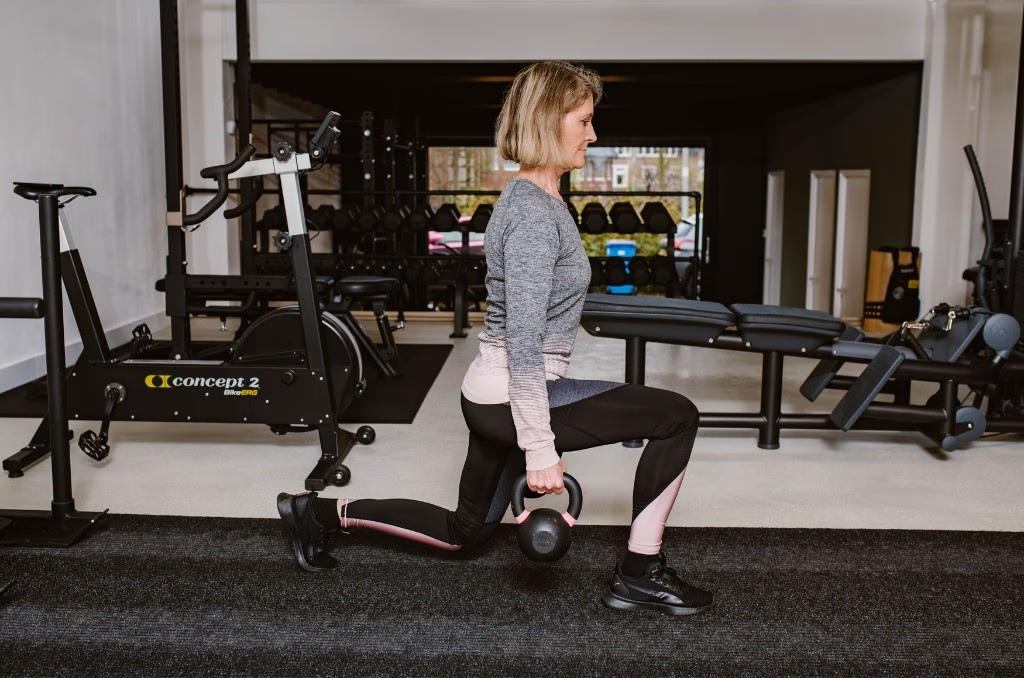
Read more
gevulde-avocados-garnalen-dille-recept-1-366x183
NutritionBy Roy03-08-2022

Recipe: stuffed avocado with shrimp

In this article about the recipe for stuffed avocado with shrimp: Avocado toast, scrambled eggs with avocado, or a salad with avocado: the avocado is no longer absent from most menus. Want to try something different? Then make a stuffed avocado. We share the recipe for this stuffed avocado with shrimp. Recipe for stuffed avocado with shrimp explained Avocados are very nutritious. They contain healthy fats , are a source of fiber, and are good for your skin and hair. Do keep an eye on the amount of avocado you consume, as these green bombs contain a lot of calories. Try this stuffed avocado with shrimp, cucumber, dill, lemon, and low-fat quark. Delicious as a side dish instead of potatoes with a piece of salmon or as a nutritious snack. Ingredients for stuffed avocado (for 2 persons) 2 avocados 100 grams of Dutch shrimp 4 cm cucumber 1 spring onion 1 tablespoon low-fat quark 1/2 lemon dill pepper and salt Preparation method Chop the cucumber and spring onion finely and place in a bowl. Halve the avocados, make incisions for small cubes, and scoop out into the bowl. Mix the shrimp into the mixture. Squeeze half a lemon over the mixture and add a spoonful of low-fat quark. Season the mixture further with dill and pepper and salt to taste. Scoop the mixture into the hollowed-out avocados. Serve the stuffed avocado with a piece of grilled salmon and green beans as dinner or as a nutritious snack. Enjoy your meal! Want to know more about nutrition? Don't hesitate to contact us at info@daadkrachtoverveen.nl

Read more
PompoenSpaghetti
NutritionBy Bobby Stevens22-11-2017

Italian chicken with pumpkin spaghetti

In this article about Italian chicken with pumpkin spaghetti: Another one in the category of easy, healthy, and delicious? It can be! This dish reminds you of an Italian pasta, but is low in carbohydrates and contains a lot of protein and vegetables. A true seasonal vegetable, namely pumpkin spaghetti. Let yourself be surprised! Italian chicken with pumpkin spaghetti explained Ingredients (for two people) 300 grams (Italian) chicken breast. For seasoned or self-season with Italian herbs and oregano. 400 grams Pumpkin Spaghetti (AH) 150 grams Chestnut Mushrooms 2 Shallots 2 Cloves of Garlic 1 Spring Onion 1/2 Zucchini 150 ml Cooking Cream (light) Parmesan cheese Preparation method Chop all the vegetables small. Stir-fry the chicken breast with a pinch of coconut butter for about 5 minutes. Add the mushrooms, zucchini, shallots, spring onion, and 1 clove of garlic. Meanwhile, stir-fry the pumpkin spaghetti in a separate pan with pepper, salt, and 1 clove of garlic. Add the cooking cream to the chicken mixture and let it simmer gently. Serve the chicken mixture on the pumpkin spaghetti and optionally add Parmesan cheese. Enjoy your meal! Variation tips Make the recipe even tastier (but less healthy) by adding two tablespoons of pesto to the sauce. Finish with some arugula. Vary with tomato paste and diced tomatoes for a red sauce. Nutritional values A serving of chicken breast (150 grams) contains 230 kcal, 30 grams of protein, 4 grams of fat, and 0 grams of carbohydrates. Moreover, it is rich in phosphorus (340 mg), potassium (400 mg), and magnesium (35 mg). A serving of pumpkin spaghetti (200 grams) contains 62 kcal, 0.6 grams of protein, 0.6 grams of fat, and 7 grams of carbohydrates. Moreover, it is rich in sodium (17 mg), potassium (108 mg), and magnesium (12 mg). We are of course curious what you think of this dish! Share your opinion online or email us with #daadkrachtdinner. Enjoy your meal! Also read: 5 breakfasts with more than 25 grams of protein · more articles on our blog · personal training at Daadkracht .
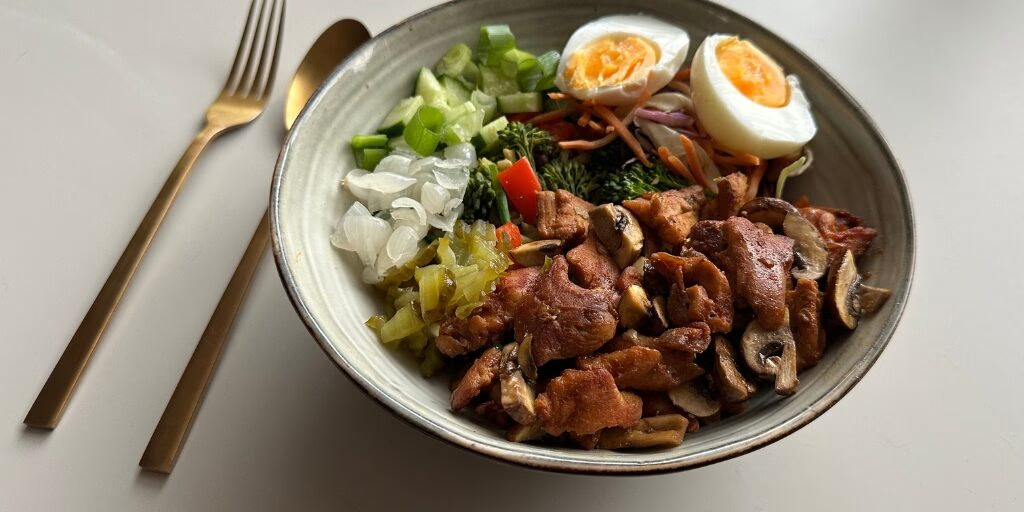
Read more
7-bewezen-voordelen-van-krachttraining-1024x512
TrainingBy Bobby Stevens24-10-2024

7 Proven Benefits of Strength Training

Considering strength training? Discover in this article why you can optimally support your lifestyle with this form of training. Benefits of strength training for everyone In this article about 7 proven benefits of strength training: When you think of strength training, you might immediately picture a muscular man in the gym lifting heavy weights. While this image may be intimidating, strength training is much more than a way to build impressive muscles. It is a powerful form of training for everyone – regardless of age or fitness level – to lead a healthier, stronger, and happier life. In this article, you will read about seven scientifically proven benefits of strength training that will inspire you to start. 7 proven benefits of strength training explained 1. Strengthening muscles and bones: build your body from the inside out Strength training is known for the way it builds your muscles, but did you know that it is also crucial for strong bones? As you age, your bone density decreases. This can lead to osteoporosis and an increased risk of fractures. By regularly lifting weights, you stimulate your body to build both muscle and bone tissue, which strengthens your body from the inside out. This means that one of the benefits of strength training is not only that you become stronger, but also that your bones are better able to withstand wear and tear. 2. Boost your metabolism: burn while you rest Unlike cardio, where you primarily burn calories during the workout, strength training leads to long-lasting calorie burning. This is because muscles require more energy than fat tissue, even when you are at rest. Therefore, one of the benefits of strength training is that as your muscle mass increases, your body will burn more calories at rest. Strength training helps not only during the session itself but also afterward in boosting your metabolism. 3. Protect your joints: stay mobile and flexible For people with joint problems or fear of joint injuries, strength training may seem counterproductive. However, the opposite is true. By strengthening the muscles around your joints, you improve the stability and protection of those joints. An important benefit of strength training is that it significantly reduces the risk of injuries and ensures that you are better able to perform daily activities such as walking and lifting without pain. Moreover, strength training also increases your mobility and flexibility, which is important for the overall health of your joints. 4. Boost your mental health: stronger in body and mind The benefits of strength training do not stop at improving your physical health. Your mental health also gets a boost. Research shows that strength training promotes the production of endorphins, the 'happiness hormones' that help you cope better with stress, for example. Additionally, studies have shown that regular strength training can alleviate symptoms of anxiety and depression. The feeling of progress – noticing that your own strength is increasing – also contributes to increased self-confidence and a stronger self-image. 5. Improve your overall health: a powerful medicine The health benefits of strength training are noticeable across various systems in your body. By training regularly, you can lower your blood pressure, regulate blood sugar levels, and even improve your cholesterol values. These effects are especially important for people at increased risk of cardiovascular diseases or type 2 diabetes. You can see strength training as a natural, powerful medicine that makes your entire body stronger and healthier. 6. Enhance your sports performance: faster, stronger, better For athletes, strength training is essential to improve their performance. Whether you are a runner, swimmer, or team athlete, strength training can increase your explosiveness, speed, and endurance. It not only strengthens your muscles but also your tendons and ligaments, making you less prone to injuries. By adding strength training to your routine, you will notice that you recover faster and perform better on the field, in the pool, or on the track. 7. Slow down the aging process: stay vital longer Finally, one of the most impressive benefits of strength training is its ability to slow down the aging process. As you age, you naturally begin to lose muscle mass – a process known as sarcopenia. This loss of muscle mass can lead to weakness, reduced mobility, and a decline in overall quality of life. Strength training not only helps to slow this process but can even reverse it. Older adults who engage in regular strength training remain independent longer, reduce their risk of falls, and maintain their vitality into later life. Reap the benefits of strength training These proven benefits of strength training show that it is much more than just a way to look better. It is an investment in your health and well-being, which has a profound effect on both your body and mind. It helps strengthen your muscles and bones, boosts your metabolism, protects your joints, and improves your mental health. Moreover, it extends your athletic career and helps you stay vital and independent for longer. Choose strength training at Daadkracht Whether you are a beginner or already have experience in the gym, the benefits of strength training are accessible to everyone. It’s never too late to start, and the results will not only make you stronger but also happier and healthier. Our advice: start today and discover how strength training can positively change your life. Need help? Book a trial lesson at one of our studios in Overveen or Heemstede and experience the power of strength training.

Read more
oreare-spitskool-lenteui-1024x512
NutritionBy Bobby Stevens22-05-2018

Recipe: 'ore are' pointed cabbage with red bell pepper and spring onion

In this article about the recipe for pointed cabbage with red bell pepper and spring onion: Varying with vegetables can be quite a challenge. You often make the same dishes or simply lack inspiration to do something creative with vegetables. Recognizable? It is for us! A shame because if you take a good look in the vegetable aisle, there are so many vegetables that we often do nothing with. That's why we are sharing a new vegetable recipe today. To bring some variation to your plate ;-). Recipe for pointed cabbage with red bell pepper and spring onion explained Ingredients 1 pointed cabbage 1 red bell pepper 2 cloves of garlic 2 stalks of spring onion 2 eggs Preparation method Chop the pointed cabbage, red bell pepper, and spring onion into pieces. Heat a wok and gently sauté the garlic and spring onion. Beat the eggs and scramble them in a separate pan. Add the pointed cabbage and red bell pepper to the wok and season with plenty of pepper and salt. Finally, add the scrambled eggs and you're done! Variation tips For example, serve with chicken satay skewers! Also delicious with stir-fried shrimp mixed in. Add bean sprouts for an extra Asian touch. Nutritional values A serving of this dish contains 112 calories, of which 7.2 grams of fat, 9 grams of carbohydrates, and 12.4 grams of protein. Additionally, this dish contains sodium, potassium, and vitamin C. Enjoy your meal! Also read: 5 breakfasts with more than 25 grams of protein · more articles on our blog · personal training at Daadkracht .
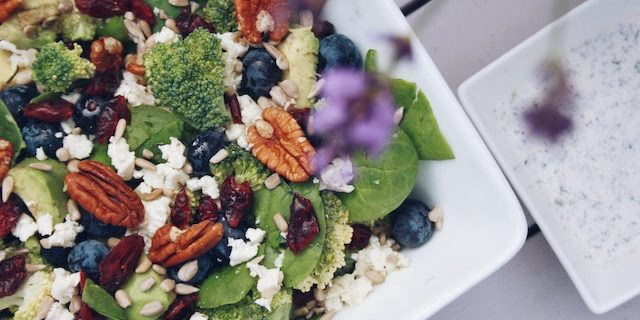
Read more
Visolie-bewezen-effecten-768x576
NutritionBy Bobby Stevens15-06-2023

The proven effects of fish oil clearly explained

In this article, the proven effects of fish oil are clearly explained: Fish oil, magnesium, or vitamins: there are many different supplements on the market, each with a different effect. Why it is a good idea to add fish oil to your lifestyle is discussed in this article. The proven effects of fish oil clearly explained If you Google the effects of fish oil, you will find a variety of results. The first scientific studies in this area were enthusiastic about the positive effects that emerged. Fish oil was said to combat cardiovascular diseases, have anti-inflammatory properties, stimulate the brain development of babies, and combat symptoms of ADHD and depression. However, counter-reactions to these studies have also emerged, and not all effects seem to appear in comparable research. So what exactly is fish oil and which effects are true? We studied a comprehensive research paper and explain the results. What is fish oil? Fish oil is also known by the term omega-3. EPA and DHA are both fatty acids that fall under omega-3. Your body produces EPA to a limited extent, from which it then produces DHA. These fatty acids are quite similar but serve different functions. For example, EPA is particularly important for hormone production, while DHA is essential for the proper functioning of your cells. Although the body produces these substances itself, it is advisable to supplement omega-3 fatty acids. Almost every person has deficiencies in their body. One of the reasons for this is that food is increasingly processed and therefore naturally contains less of these substances. The physical effects of fish oil In the meta-analysis we studied, various studies on the effects of fish oil were compared and tested to obtain a general picture of the results. Scientists have reasonably agreed on a number of physical effects. 1. Strong decrease in triglycerides Triglycerides are a type of fat that provides energy to your body. When triglyceride levels are too high – for example, caused by overweight, smoking, and alcohol consumption – the risk of cardiovascular diseases increases. A proven effect of omega-3 supplementation is that it leads to a strong decrease in triglycerides. If you are suffering from cardiovascular issues, or even if you want to prevent these issues, supplementing with fish oil is recommended. 2. Lowering of blood pressure Multiple studies show that when people with high blood pressure supplement with fish oil, their blood pressure is lowered. When people have cardiovascular problems, the supplementation of omega-3 is certainly advisable. However, keep in mind that fish oil is not a miracle cure for your problems. A healthy lifestyle is essential; the supplement can help with this. 3. Anti-inflammatory properties Although this has not yet been confirmed in every study, omega-3 seems to have a positive effect on diseases where inflammation plays an important role. This includes conditions such as irritable bowel syndrome, asthma, and rheumatic complaints. More research is needed to confirm this positive effect, but all outcomes seem to indicate that omega-3 can be a tool to combat the symptoms of these diseases. The cognitive effects of fish oil While the physical effects of fish oil are fairly clear, there remains division over the cognitive effects of this supplement. The research we studied compared multiple studies on the cognitive effects of fish oil in 3 life stages; as a baby, as a child, and as an adult. It clearly emerged that the mental and psychomotor development of babies is greatly improved by the intake of fish oil. However, in children and adults, it was found that fish oil supplementation did not contribute to stronger cognition. Pregnant women are therefore often advised to supplement extra omega-3, and fish oil is added to infant formula for premature babies. How do I supplement omega-3? The fatty acids EPA and DHA are found in fatty fish, among other sources. It is therefore recommended to eat fish twice a week and to supplement with fish oil. Fish oil is available in capsules or liquid form and should preferably be taken during meals. Generally, a minimum dose of 250mg per day is recommended. If you have heart and vascular issues, The American Heart Association recommends 1 gram daily. At Daadkracht, we sell high-quality supplements from UP Front. Come by and get some advice. Source: A meta-analysis. Effects of omega-3s on brain function from infancy to old age. Also read: 5 breakfasts with more than 25 grams of protein · more articles on our blog · personal training at Daadkracht .

Read more
Weekmenu
NutritionBy Bobby Stevens20-10-2017

Weekly Menu #2

In this article about meal plan 2: To help you achieve a healthy lifestyle, we posted a meal plan two weeks ago. Judging by your responses, it was a resounding success. Therefore, today follows #2, based on a household of 2 people. This is a 'normal' meal plan (specific goals such as gaining or losing weight require a personalized menu). Meal Plan 2 Explained Monday: lean beef burger with cauliflower and mushrooms We kick off the week with a balanced meal. Perhaps you indulged a bit over the weekend, so today it's time to take in some vitamins and minerals. Stir-fry the mushrooms together with the cauliflower and a clove of garlic. Steam with the lid on so that the cauliflower cooks well. Fry a beef burger with a red onion (tip: hamburger spices from AH taste really good). Optional: sprinkle some parmesan cheese over the cauliflower and let it melt. Tuesday: meal salad with Provençal chicken, a boiled egg, and avocado We continue with the light meals. But don't worry, this filled salad provides you with enough satiety due to the rich ingredients. Choose a salad mix of your choice and add smoked chicken (tip: Provençal chicken breast pieces from AH). Add cucumber, avocado, a boiled egg, cherry tomatoes, and a spring onion as needed. Optional and depending on your goal: a handful of unsalted nuts, goat cheese, or parmesan cheese. Challenge: do not use dressing, it's healthier and lets the flavors shine. Wednesday: sweet potato noodles with beef strips and bell pepper After those light meals, today can be a bit heartier. With a spiralizer, you can also make noodles from sweet potato. Add beef strips, sesame seeds, bell pepper, and cashews, and you have a delicious meal. You can find the full recipe here . Thursday: lasagnette with smoked chicken and spinach Not eating carbohydrates at dinner every day can be quite a challenge. This recipe shows that such a meal can be very filling and tasty at the same time. A perfect dish for Thursday. A combination of zucchini, smoked chicken, spinach, and goat cheese. Sounds good, right? You can find the recipe here . Friday: stuffed avocados with shrimp and dill It is advisable to eat fish at least once a week. This recipe for stuffed avocados with shrimp and dill is delicious as a side dish and looks very nice if you have guests over to celebrate the weekend. Eat a piece of salmon fillet or pangasius fillet alongside, and you have a meal rich in fats and proteins. Optional: instead of fish, you can also cook tagliatelle pasta and serve it with a scoop of pesto and some roasted pine nuts. Spoon the stuffed avocado over it and enjoy. Saturday: naan pizza with teriyaki chicken, spinach, and red onion This recipe is finger-licking good. A balanced lifestyle also includes indulging every now and then. You can do that with this naan pizza topped with teriyaki spiced chicken thighs. This is by far not the healthiest meal on this week's menu, but still healthier than a frozen pizza. Enjoy it, you can find the recipe here . Sunday: multigrain wraps with scrambled eggs and smoked salmon To end the weekend nicely, easily, and still quite healthily, we suggest a multigrain wrap with smoked salmon, scrambled eggs, and chives. This dish is ready in 5 minutes and therefore perfect for a lazy Sunday. You can find the entire recipe here . This week's menu offers a well-considered balance between carbohydrates, proteins, and fats, and is also incredibly tasty. It can help to prepare such a menu and do your grocery shopping ahead of your week. This way, you always have a nutritious meal at home and may be less likely to reach for unhealthy food, takeout, or 'something you had lying around'. Additionally, you make use of all the products in your fridge and reduce food waste. Note: this is not a diet menu, but a 'normal' eating plan to provide an example of a varied diet. Whether this plan is suitable for you depends on your goals. Questions regarding this week's menu or want to know more about nutrition? Don't hesitate and contact us at info@personaltrainerhaarlem.nl Also read: 5 breakfasts with more than 25 grams of protein · more articles on our blog · personal training at Daadkracht .

Read more
Pull-ups-in-een-sportschool-1024x512
TrainingBy Bobby Stevens18-09-2025

Pull-ups

Pull ups: everything you need to know In this article about pull-ups: Perhaps you once pulled yourself up on a climbing frame in the playground or see your children doing it with ease now. But even as an adult, it is a challenging exercise to train your upper body. In this blog, you will discover everything about this strength exercise. What are pull ups? The pull-up is an exercise where you pull yourself up on a bar with an overhand grip (palms facing away from you). It is one of the most effective exercises to train the back muscles, shoulders, and biceps. Pull-ups are often confused with chin-ups, but the difference is that chin-ups use an underhand grip (palms facing you), which places more emphasis on the biceps. What are the benefits of pull ups? Pull-ups have many benefits, especially if you want to build a strong upper body. Here are the main benefits: Muscle building and strength With pull-ups, you train a large part of your upper body, namely the back muscles (latissimus dorsi), biceps, shoulders, and forearms. Additionally, you also strengthen the core (abdominal muscles and lower back) because your body needs to stabilize itself. Efficient compound exercise By doing pull-ups, you train multiple muscle groups at once (also known as a compound exercise), allowing you to see results from your training faster. Improved grip strength You strengthen your hands, wrists, and forearms, which also helps in other sports such as climbing or weightlifting. Improved posture and mobility With the pull-up, you strengthen the back muscles, which helps you sit with a good straight back. Additionally, you also improve shoulder mobility, which is beneficial for other strength exercises such as bench pressing and deadlifts and helps prevent injuries. Can be done anywhere To do pull-ups, you don't need expensive equipment. Just a bar to hang from is sufficient, making it easy to add this exercise to your home workouts or outdoor training. What variations of the pull-up are there? There are many different variations of the pull-up. This is a good thing, as it is likely difficult to perform a strict pull-up without experience. This is a pull-up where you pull yourself up in one go and lower yourself back down in a controlled manner. If you are just starting with pull-ups, that might be too heavy. By building up the variations, you can gradually work towards a strict pull-up. Here are the variations from beginner to advanced: Beginner (For strength building and technique) Negative pull-ups Jump up so you start in the top position of a pull-up. Lower yourself slowly and in a controlled manner until your arms are straight. This helps build strength if you cannot yet do a full pull-up. Assisted pull-ups Use a resistance band or a pull-up machine for support. The band helps you up by carrying part of your weight. Ideal for learning the technique and building strength. Australian pull-ups (inverted rows) Lie under a low bar and pull yourself up at an angle. Keep your body straight and engage your core. This exercise trains the same muscles as a pull-up, but with less load. Intermediate (For muscle growth and variation) Chin-up Use an underhand grip (palms facing you). More emphasis on the biceps and less on the back. Easier than a regular pull-up due to extra bicep activation. Standard pull-up Use an overhand grip (palms facing away) at shoulder width. Pull yourself up until your chin is above the bar. Lower yourself down in a controlled manner and repeat. Wide-grip pull-up Place your hands wider than shoulder width. This variation places more emphasis on the upper back muscles (lats). Harder than the standard pull-up due to the wider grip. Advanced (For extreme strength and control) Archer pull-ups Pull yourself up to one side while keeping the other arm almost straight. This helps with the transition to a one-arm pull-up. Builds strength in one arm at a time. One-arm pull-up The ultimate test of pure strength! Pull yourself up with just one arm (the other arm can be used for support on the wrist). Requires a very strong back, arms, and grip strength. Weighted pull-ups Perform pull-ups with extra weight (for example, a belt with plates or a dumbbell between your legs). Builds extreme strength and muscle mass. So plenty of variations to get stronger at doing pull-ups! Pull-ups: common mistakes and how to avoid them Although pull-ups are an effective exercise, many people make mistakes when performing the pull-up, making them less effective or even causing injuries. Here are the most common mistakes with pull-ups and how to avoid them. 1. Half repetitions (not fully extending or pulling up) Mistake: Only pulling up a little bit and not fully lowering. Solution: Make sure to pull yourself all the way up (chin above the bar) and fully extend when lowering. 2. Swinging or kipping (kipping pull-ups without control) Mistake: Using too much momentum (causing you to lose muscle tension) and swinging your body. Solution: Pull yourself up in a controlled manner and lower yourself slowly. Engage your core to prevent swinging. 3. Incorrect grip width Mistake: Holding too wide or too narrow, which increases the strain on the shoulders or wrists. Solution: Maintain a grip slightly wider than shoulder width for optimal back activation. 4. Too much arms and not enough back Mistake: Only using the biceps instead of the back muscles. Solution: Think about pulling your elbows down instead of pulling yourself up with your arms. This activates the back better. 5. Lowering too quickly (no eccentric control) Mistake: Falling down all at once without control. Solution: Lower yourself slowly and in a controlled manner to maximize muscle growth and strength development. 6. Not Building Progress Error: Trying to do strict pull-ups too quickly without building strength. Solution: Start with negative pull-ups or use a resistance band first to get stronger. This way, you can gradually work towards a strict pull-up. Doing Pull-ups at Daadkracht Regularly doing pull-ups helps you build strength in your upper body and is a fun and challenging exercise that you can improve on with various modifications. Need help? Book a free trial lesson at our studio in Overveen or Heemstede and work towards your fitness goals under the professional guidance of a personal trainer.

Read more
blessure-management-1-1024x512
TrainingBy Bobby Stevens20-09-2022

Injury management, how do you do that?

In this article about injury management, how do you do that: Everyone has had an injury at some point. An overloaded knee, shoulder, or lower back are common occurrences. But how do you deal with such complaints? Rest, seek treatment, continue training? Logical questions, yet there is still much uncertainty about them. The doctor's advice is usually to rest, ice, and take anti-inflammatories while a physiotherapist will treat the complaint and provide you with exercises. We dove into the literature and give you our perspective on injury management. Injury management how do you do that explained Diagnosis Let’s be clear that personal trainers are not doctors or physiotherapists. We have a lot of knowledge about the human body and can recognize relatively 'simple' injuries and adjust training accordingly. However, for certain symptoms, it is advisable to seek medical help, such as total loss of Range-Of-Motion , internal damage to a muscle or joint, or when you experience increasing pain over 72 hours. Additionally, it may be necessary to visit a physiotherapist to have the complaint treated and receive appropriate advice. Active recovery Many people see injuries as an excuse to stop training. A doctor often advises to rest as well. However, this causes your body to become stiff and does not address the root cause of the complaint. Active recovery accelerates the healing process. Exercise increases growth hormones, activates the immune system, and significantly increases blood flow to your connective tissue during training. These factors support the recovery process, and we definitely recommend continuing to train even if you are injured. Be creative; if you have issues with your lower body, you can still train your upper body and vice versa. We can certainly help you with this. We also assist our athletes with movement when they have an injury. For this, we have developed a special program. Want to know more? Check out our rehabilitation Haarlem page. Pain Training is definitely recommended even if you have an injury. The key factor here is the level of pain you experience. Pain is a mechanism and can be seen as a way your body communicates. When you experience pain, it actually sends a signal that your body is under too much strain. As you become accustomed to training, you learn to distinguish between 'good' pain and 'bad' pain. For example, mild muscle soreness can be painful but is a 'positive' result of training. Joint pain or pain that feels like an electric shock (neurological) are important to recognize and should not be ignored. In general, but especially when training guided by pain while already injured, it is important to listen closely to your body. Sustainable training program When you experience a different type of pain than mild muscle soreness, it is advisable to adjust your training program. This way, you ensure that the pain does not lead to an injury or allow an existing injury the space to actively recover. There are several options for creating a sustainable training program: Exercise Selection : the best way to create a sustainable program is by adjusting your exercise selection. Most injuries are very specific, and to prevent a minor ache or nagging pain from turning into an injury, it can help to swap the aggravating exercise for another. Training Intensity : another way is to adjust your average training intensity. Intensity has a direct and exponential effect on the stress on the body and your muscles. Unless you are injured to the extent that you cannot move a body part at all, there is always an intensity that you can tolerate. You can lower the training intensity by, for example, reducing the weight and increasing the number of repetitions. Training to Muscle Failure : aside from your exercise selection and training intensity, it is best not to seek muscle failure when in pain. Training to failure inherently means a loss of good technique. The worse your technique, the worse the tissue stress distribution. Using short rest intervals will increase the proximity to failure and make it harder to maintain perfect technique. If you experience pain in your body or are injured, we strongly advise against training to muscle failure. Take sufficient rest between your sets and do not push your limits too much. Repetition Tempo : the last option is to adjust your training schedule. By training at a slower repetition tempo with lower training weights, your joints are spared while still achieving a high level of muscle activation. In our article Time Under Tension , we explain how to do this best. Do you want guidance in exercising with injuries? In our studio, we guide people in achieving their physical goals and adopting a healthy lifestyle. This is not only focused on losing weight or getting stronger. We primarily focus on living healthier and aging well. You will notice that your knees are not as flexible in your forties as they were in your twenties. This is one of the topics that falls under injury management and is addressed by us. Would you like to try personal training in Haarlem ? Feel free to contact us. We hope to provide more insight into how to deal with injuries. Do you have questions or need advice? We are happy to help!

Read more
courgette-lasagne-zalm-1-1024x512
NutritionBy Bobby Stevens26-07-2018

Zucchini lasagna with salmon and basil

In this article about zucchini lasagna with salmon and basil: We have shared recipes with zucchini pasta before. Zucchini is a perfect substitute for pasta, easy to digest, and packed with vitamin C. Besides 'zucchini spaghetti', zucchini is also perfect for making lasagna sheets. This zucchini lasagna with salmon is incredibly flavorful and healthier than the 'regular' lasagna. And here's how to make it! Zucchini lasagna with salmon and basil explained Ingredients (4 servings) 2 zucchinis 350 grams salmon fillet 2 tbsp green pesto 1 onion 1 clove of garlic 400 grams canned diced tomatoes 1/2 bunch of basil 150 grams ricotta 75 grams parmesan cheese Preparation method Preheat the oven to 180 degrees. Use a cheese slicer to make thick slices of the zucchini. Grill these in a pan one by one with a little olive oil. Set aside on a plate. Chop the onion and sauté with the clove of garlic. Add the diced tomatoes and let simmer for 5 minutes. Meanwhile, slice the salmon fillets into small pieces and spread with the pesto. Mix the ricotta in a bowl and chop the half bunch of basil into it. Spread half of the tomato sauce over the bottom of a baking dish. Layer half of the zucchini slices over that. Place the pieces of salmon fillet on top and cover again with the other half of the tomato sauce. Spread the other half of the zucchini slices over the tomato sauce. Spread the ricotta mixture on top and finally sprinkle the parmesan cheese over it. Put the lasagna in the oven for 25 minutes. Enjoy! Nutritional values A serving of zucchini lasagna with salmon contains 366 calories, of which 21 grams of fat, 15 grams of carbohydrates, and 27 grams of protein. Variation tips Also delicious to try with chicken instead of salmon! Also read: 5 breakfasts with more than 25 grams of protein · more articles on our blog · personal training at Daadkracht .

Read more
Trainen-tijdens-je-zwangerschap-1024x512
TrainingBy Bobby Stevens05-09-2023

Exercising During Your Pregnancy: What You Need to Know

In this article about exercising during your pregnancy, here’s what you need to know: Can you exercise during your pregnancy? Which exercises are safe to do and which ones should you skip? And what about exercising in the different trimesters? When you are pregnant, a lot changes in your life and in your body. It’s natural to have questions! We will explain everything about exercising while expecting. Exercising during your pregnancy: what you need to know explained Exercising during your pregnancy: why is it important? Congratulations, you are pregnant! This may be your first pregnancy and a new phase is beginning. Or you may have been pregnant before and already have a family. Whatever your situation, exercising during your pregnancy can help you stay physically and mentally healthy. Good for both mother and baby Exercising during your pregnancy is important for both mother and baby, provided it is done in a safe and responsible manner. By continuing to exercise, you stimulate your physical health. This contributes to a healthy weight, reduces discomforts such as back pain, and promotes healthy circulation. Additionally, you prepare your body for childbirth, which is also a physical challenge. The benefits of exercising during your pregnancy Exercising during your pregnancy not only has physical benefits but also supports you in other areas. Here are the benefits of exercising during your pregnancy: Physical health : physical activity promotes the overall physical health of the mother. It helps maintain a healthy weight, reduces back pain and swelling, and improves circulation. Reduction of pregnancy ailments : regular physical activity helps reduce common pregnancy ailments such as constipation, fatigue, and mood swings. Improvement of mental health : it has been proven that exercising can improve mood and reduce stress. This can be especially beneficial during pregnancy, as hormonal changes can lead to mood swings. Preparation for childbirth: regular exercise can increase the mother’s strength and endurance, which can contribute to a smoother delivery. It can also help in learning breathing techniques that are useful during childbirth. Improved sleep quality: exercising contributes to better sleep quality, which is very important during pregnancy due to the fatigue and sleep disturbances that can occur. Faster recovery after childbirth : women who remain active during pregnancy often have a quicker recovery after childbirth. Maintaining good physical condition can help with muscle recovery and regaining strength after childbirth. Here you can read more about the proven benefits of exercising during your pregnancy Which sports can you do during your pregnancy? Not all forms of exercise are suitable to continue during your pregnancy. Choosing the right type of training also depends on your sports history. For example, if you have never run before, it is not wise to suddenly start running during your pregnancy. Which sports can you do during your pregnancy? We are happy to help you make the right choice. Different forms of training for pregnant women During your pregnancy, it is important to choose physical activities that are safe for both you and the baby. There are specific programs for pregnant women such as pregnancy yoga , pregnancy swimming, or pregnancy training . These programs are specifically designed for pregnant women, and you can expect to receive the right guidance here. For general classes or training, it is advisable to consult with the instructor or trainer to ensure you can move safely and responsibly. You can generally do the following forms of training while pregnant: Walking : Walking is an excellent low-impact activity that almost every pregnant woman can do. It is good for your cardiovascular health and can help you stay fit without putting excessive stress on your joints. Swimming : Swimming is a great option because it supports your weight and reduces pressure on your joints. It is beneficial for overall fitness, muscle strength, and flexibility. Yoga : Pregnancy yoga offers exercises and poses that are specifically adapted to the changing needs of your body during pregnancy. It can help improve flexibility, balance, and breathing. Pilates : Pregnancy Pilates focuses on strengthening the core muscles, which can contribute to better posture and stability. Be sure to choose Pilates exercises that are suitable for pregnant women. Cycling on a stationary bike : Cycling on a stationary bike can be a safe and effective cardiovascular activity during pregnancy, as it has minimal impact on your joints. Low-impact aerobics : Some low-impact aerobics classes may be suitable, as long as they are adapted for pregnancy and do not cause excessive strain. Strength training : Moderate strength training with light weights can help maintain muscle strength and tone. Make sure to use the correct technique and avoid exercises that put pressure on your abdominal muscles. How to choose the right form of training during your pregnancy When choosing a form of training to take up during your pregnancy, keep the following advice in mind. Avoid high-impact sports, contact sports, and activities with an increased risk of falling or injury. Especially after the first trimester, you should also skip activities that require you to lie flat or on your back for extended periods. Furthermore, it is important to realize that every pregnancy is different. It is wise to seek advice from others, but also listen closely to your own body. You recognize the signals from your body best. If in doubt, contact your doctor or midwife before starting a particular training program. What are the do’s and don’ts of exercising during your pregnancy? You now have a good understanding of the importance of exercising during your pregnancy, the benefits of working out while expecting, and the types of training available for pregnant women. There are a number of general rules and advice that pregnant women can keep in mind. Below we list the do’s and don’ts. The do’s of exercising during your pregnancy Stay active : whatever form of exercise you choose, staying active supports you on a physical, mental, and emotional level during this special time. Listen to your body : get good advice but also pay attention to the signals from your body. Train within your own limits. Focus on improving your breathing and strengthening your pelvis and core : these areas need extra attention during pregnancy and childbirth. The don’ts of exercising during your pregnancy Do not start a new form of exercise or a sport you have never done before during your pregnancy. Avoid high-risk sports and do not train your rectus abdominis after the first trimester. Preferably avoid high-intensity workouts or very heavy weights . What are the benefits of strength training during your pregnancy? Of all the forms of exercise we mentioned, strength training during your pregnancy is, in our opinion, one of the best ways to keep your body and mind healthy and prepare for childbirth. Benefits of strength training during your pregnancy Strength training has many benefits, even if you are not pregnant. As we wrote in an article about strength training for women , strength training helps women improve bone density, reduce injury, and promote a healthy and strong body. These are the benefits of strength training during your pregnancy: Improved muscle strength and endurance : Strength training helps maintain or improve the muscle strength and endurance of the major muscle groups. This helps reduce fatigue and makes daily activities easier to sustain. Reduction of back pain : Strength training leads to stronger back and core muscles, which can help reduce or prevent back pain – a common discomfort during pregnancy. Management of weight gain : Strength training helps maintain a healthy weight during pregnancy. Improved posture and balance : Strength training contributes to better body posture and balance, which is especially important as the pregnancy progresses and the body's center of gravity changes. Reduced risk of gestational diabetes : According to several studies, strength training can reduce the risk of developing gestational diabetes. Preparation for childbirth: Strength training can help strengthen the muscles used during childbirth. Training with a personal trainer during your pregnancy Are you pregnant and want to keep training? At Daadkracht, we are happy to help you train safely and responsibly during your pregnancy. Contact us for a trial lesson so we can assess your personal situation and create a plan of action. Strength training after your delivery Have you given birth and want to resume strength training? This also has many benefits for your recovery, fitness, and mental health. However, after your delivery, it is extremely important to listen to the signals from your body. In the first weeks, your body primarily needs rest. After 6 to 8 weeks – depending on how you gave birth – you can slowly start with strength training again. It is important to first focus on building your fitness and strengthening your core. This way, you can prevent injuries or worsening issues such as diastasis, prolapses, or incontinence. Want to know more? Here you can read everything about strength training after your delivery. Training with a personal trainer during your pregnancy & afterwards Are you pregnant and want to keep training? Or have you given birth and want to resume training? At Daadkracht, we are happy to help you train safely and responsibly during your pregnancy and after your delivery. Contact us for a trial lesson so we can assess your personal situation and create a plan of action.

Read more
gezonde-tonijnsalade-recept-scaled-2560x1280
NutritionBy Bobby Stevens11-04-2024

Recipe: protein-rich and healthy tuna salad with apple & cucumber

In this article about the recipe for protein-rich and healthy tuna salad with apple and gherkin: Need healthy inspiration? We are happy to help you with this recipe for protein-rich and healthy tuna salad. Fresh, flavorful, and filling for lunch, at a snack, or in a salad. Here’s how to make it. Recipe for protein-rich and healthy tuna salad with apple and gherkin explained Ingredients for healthy tuna salad (2 servings) 1 can of tuna in water 2 tablespoons of chickpeas 1 tablespoon of silver onions 3 gherkins 1/2 apple 1 tablespoon of low-fat quark or yogurt 1 tablespoon of mustard 1 dash of sriracha or chili sauce pepper & salt Preparation of healthy tuna salad Open the can of tuna and a can of chickpeas and drain the water. Take a bowl and add the tuna while breaking it up with a fork or knife. Chop the gherkins, silver onions, and apple into small pieces and mix them into the tuna along with the chickpeas. Add the sauce and mix well again. Season with pepper and salt. Voila, your healthy tuna salad is ready! Variations with healthy tuna salad This protein-rich and healthy tuna salad can be enjoyed in several ways. The most obvious is on a sandwich or cracker. Want to keep it healthy? Choose a good whole grain or sourdough variant without too many additives. But you can also mix this healthy tuna salad into a green salad with a boiled egg or add it to a quinoa or pasta salad. One last variation tip: eat it as a protein-rich snack with half an avocado. Enjoy your meal! Also read: 5 breakfasts with more than 25 grams of protein · more articles on our blog · personal training at Daadkracht .
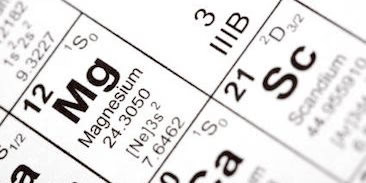
Read more
eiwitten-366x183
NutritionBy Bobby Stevens17-08-2022

What are proteins and what do they do exactly?

In this article about what proteins are and what they do: Proteins are extremely popular among athletes. Protein shakes and protein bars are quite popular. However, everyone needs proteins, and they can also be obtained from everyday food. Therefore, we explain what proteins are, what their function is, and provide nutritional advice. Are you ready to read along? What are proteins and what do they do explained What are proteins? Proteins are one of the three macronutrients that provide energy to the body. They deliver calories (energy) and amino acids (building blocks). Proteins consist of chains of amino acids, which can occur in different chemical compositions. The amino acids in proteins can be seen as the building blocks of body cells. Some are produced by the body itself, while others come from food. Here, a distinction can be made between animal and plant proteins. Animal proteins can be obtained from meat, fish, milk, cheese, and eggs, while plant proteins come from grain products, legumes, and nuts. What is the function of proteins? The most well-known function of proteins is that of building blocks for your cells. They not only build, protect, and repair muscle tissue but all types of tissue in our body. Additionally, proteins transport nutrients and are involved in various processes in the body. For example, enzymes are proteins that ensure that various substances are converted into other substances. They also play a role in sending signals in your brain via neurotransmitters and provide energy to the body. A protein-rich diet On average, it is advised to maintain 0.8 grams of protein per kilogram of body weight. However, the exact protein requirement also depends on age and circumstances. For instance, someone who is injured needs more to rebuild tissue, and children and adolescents need more to grow. It is important to obtain as much of your protein requirement as possible from natural food. There are diets that replace an entire meal with a shake. Of course, you will lose weight because your calorie intake is significantly lower than normal. However, you miss essential nutrients such as vitamins and minerals that are present in 'regular' food. There is also the misconception that animal protein is better than plant protein. Animal proteins do indeed contain more essential amino acids than plant proteins, but plant proteins also contain important amino acids, just in a different composition. Therefore, you can obtain your protein intake from both types of proteins. A protein shake or protein bar can be added to your diet as a snack, but do not see it as a meal replacement. Want to know how much protein is in a product? Then take a look at the label of a product! Everything at a glance Proteins are, alongside carbohydrates and fats , an important source of nutrition for the body. They consist of energy and amino acids. The body produces some of these amino acids itself, but others must be obtained from animal and plant proteins. Proteins are indeed important for athletes as they help in the building, protection, and recovery of muscle tissue, but they have many more important functions for everyone. They are involved in regulatory processes in the body such as hormone balance, nutrient transport, and the signaling of neurotransmitters. It is advisable to meet your protein needs as much as possible through food (0.8 grams per kilogram of body weight). Protein shakes and protein bars can be added to the diet, provided they are snacks and not meal replacements. If you have questions following this article or want to know more about nutrition? Don't hesitate to contact us at info@daadkrachtoverveen.nl

Read more
kerstfoto
NutritionBy Bobby Stevens15-12-2017

How to limit weight gain during the holidays?

In this article about how to limit weight gain during the holidays: We can't avoid it; the holidays are just around the corner. A time of coziness, togetherness, and especially a lot of food. Well, the month of December is not exactly the easiest month to maintain your weight. The gingerbread cookies, filled speculaas, Christmas wreaths, and elaborate dinners are flying at us. Is it something to just accept or something to dive deeper into? We obviously chose the latter. How to limit weight gain during the holidays explained Weight gain during the holidays Traditionally, holidays are characterized by a lot of not-so-healthy eating. This is also reflected in a study on weight gain over an entire year in the United States, Germany, and Japan (see the graph below). Notably, there is a huge spike in Germany between December and January. A significant increase is also seen during the Golden Week in Japan. In principle, gaining weight during the holidays is not a problem if you can compensate for it afterward. However, several studies show that weight gain in other months is only partially compensated. This may explain why people experience an increase in weight as they get older. Want to limit weight gain? Eat proteins! Of course, you want to enjoy yourself during the holidays and not worry too much about your weight. We certainly won't say that you should only nibble on carrots, but a little more awareness about what we eat and what it does to our bodies can’t hurt. There is a difference between eating everything that comes your way and moderating what you consume. Just as there is a difference in what exactly you eat. Research shows that the macronutrients (carbohydrates, proteins, or fats) you consume influence your fat gain. Various studies indicate that when people overeat, the intake of proteins results in the least increase in fat. This effect is even greater for people who are used to heavy training. Although more research is needed to deepen these results, it seems that if we overeat, as during the holidays, weight gain can be somewhat limited by choosing protein-rich products. So, are you going to fill your plate again? Daadkracht's advice: take an extra egg, piece of turkey, or meat. Then the damage might not be too bad. And otherwise, we are of course happy to motivate you in the new year to adopt a healthy lifestyle. Happy holidays! Also read: 5 breakfasts with more than 25 grams of protein · more articles on our blog · personal training at Daadkracht .
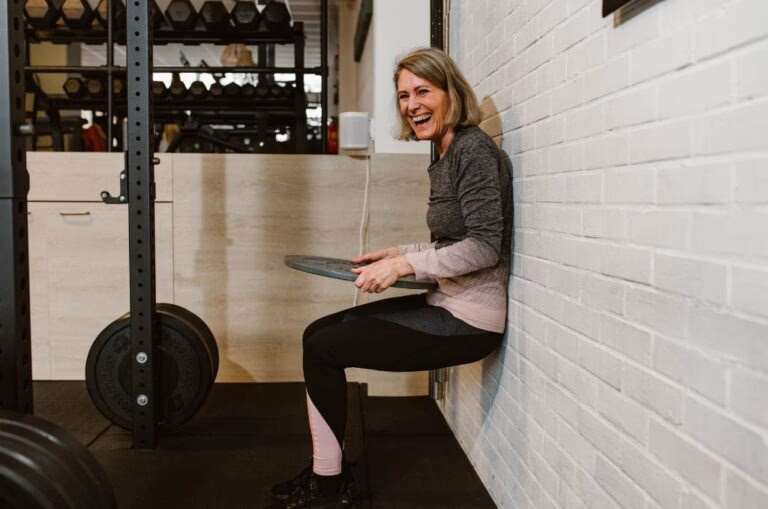
Read more
Squats-768x509
TrainingBy Bobby Stevens10-10-2024

Squats: everything you need to know

Squats are one of the most popular and effective strength exercises. However, performing a squat correctly is not that simple. In this article, you will read everything about this compound exercise. What is a squat? In this article about squats, everything you need to know: A squat is an exercise that trains multiple muscle groups simultaneously. The basic movement consists of bending your knees and moving your hips back, as if you are about to sit on an imaginary chair. As you lower yourself, keep your chest up and your back straight. Then, you straighten your legs to return to a standing position. Everything you need to know about squats explained What are the benefits of squats? Squats are among the most fundamental and effective exercises in the fitness world. They not only strengthen your legs and glutes but also help improve your core stability, balance, and overall strength. Whether you are a beginner at the gym or an experienced athlete, squats are an essential part of any training program. Here are some proven benefits of squats: Strength building : Squats activate large muscle groups such as the quadriceps, hamstrings, and glutes. By regularly training these muscles, you build strength, which not only helps with other exercises but also in daily life, such as lifting and climbing stairs. Improved core stability : During a squat, your core (the muscles around your abdomen and lower back) is heavily engaged to keep your body balanced. This strengthens your core, which is essential for good posture and injury prevention. Functional movement : Squats mimic a natural movement that we use daily, such as standing up from a chair or squatting to pick something up from the ground. By training squats, you improve your overall functional strength. Calorie burning : Because squats engage large muscle groups, they burn more calories than smaller isolation exercises. This makes squats an excellent choice for those looking to lose weight or boost their metabolism. Improved flexibility : Regular squatting helps improve the flexibility of your hips, ankles, and lower back. This can lead to better posture and a reduced risk of injuries. Different types of squats You may have noticed that there are different types of squats. You can perform squats using just your body weight, with a kettlebell or dumbbell, and even jumping. There are many variations of squats that target different muscle groups and fitness levels: Bodyweight Squat : This is the basic form of the squat where you use no extra weight. Perfect for beginners to master the technique. Goblet Squat : In this variation, you hold a kettlebell or dumbbell close to your chest. This variant helps you keep your torso upright and improves the depth of your squat. Back Squat : This is one of the most popular forms where you place a barbell on your upper back. It is an excellent exercise for building strength, especially in the quadriceps and glutes. Front Squat : Instead of resting the barbell on your back, in a front squat it rests on your shoulders at the front. This places more emphasis on your quadriceps and core and helps improve posture. Jump Squat : A dynamic variation where you explosively jump out of the squat. This exercise is great for improving your explosive strength and conditioning. The right squat technique Performing a squat correctly is crucial to prevent injuries and get the most out of the exercise. These steps help with proper execution: Starting position : Stand with your feet hip-width apart, toes slightly pointed outward. Keep your chest up and pull your shoulder blades back. Movement down : Bend your knees and hips as if you are going to sit on a chair. Keep your weight on your heels and ensure your knees do not go past your toes. Your back should remain neutral and your chest up. Lowest position : Lower yourself until your thighs are at least parallel to the floor. The deeper you squat, the more you engage your glutes and hamstrings, but make sure your technique does not deteriorate. Upward movement : Push yourself back up by pressing your heels into the ground and straightening your legs. Keep your core engaged and ensure your upper body remains upright. Common mistakes in squats While it is advisable to add squats to your training program, mistakes are often made during execution that can lead to injuries or ineffective workouts. Here are some common mistakes when performing squats: Rounded back : One of the most common mistakes is bending the back during squatting, which can lead to back pain. Make sure to actively engage your core and keep your back neutral. Knees caving in : This is also known as 'valgus collapse' and can put strain on your knees. Focus on pushing your knees outward during the movement. Not squatting deep enough : Many people stop the squat too early, which prevents them from fully benefiting from the exercise. Always try to lower yourself at least to parallel (or deeper if your mobility allows) and achieve the full range of motion . Squats in your training routine Whether you train at home or in the gym, you can easily integrate squats into your training routine. For beginners , it is advisable to start with bodyweight squats and gradually progress to weighted variations, such as the goblet squat or the back squat. Add squats to your program as part of a strength training or leg day, and vary the types of squats to target different muscle groups. Squats at Daadkracht Squats are one of the most effective exercises you can do to build strength, stability, and mobility. By incorporating different variations into your routine and optimizing your technique, you can benefit from the advantages of this versatile exercise. Whether you want to get stronger, lose weight, or simply improve your overall fitness, squats are a solid foundational exercise to work with. Need help? Book a free trial lesson at our studio in Overveen or Heemstede and work under the professional guidance of a personal trainer on your fitness goals.

Read more
gevulde-paprika-366x183
NutritionBy Bobby Stevens21-02-2024

Recipe: stuffed peppers with chicken mince

In this article about stuffed peppers with chicken mince: Through pasta, curry, or a salad: the pepper is a multifunctional vegetable that you can add to anything. Want to give pepper a leading role in a dish? With these stuffed peppers with chicken mince, you can serve something different at the table. Easy to make and very flavorful. Here’s how to make them. Recipe for stuffed peppers with chicken mince explained Ingredients for stuffed peppers (2 persons) 1 yellow pepper 1 red pepper 300 grams of chicken mince 1 red onion 2 cloves of garlic 1/2 zucchini 7 mushrooms 1 small can of tomato paste 150 grams of baby spinach 100 ml Greek yogurt, goat yogurt, or coconut yogurt (depending on what you have at home) 3 sprigs of mint Preparation of stuffed peppers with chicken mince Preheat the oven to 180 degrees. Cut the peppers in half and remove the seeds. Place the pepper halves upside down in a baking dish. Drizzle with some olive oil and sprinkle with pepper and salt. Then place the pepper halves in the oven for about 12 minutes. Meanwhile, chop the onion, zucchini, and mushrooms. Cook the chicken mince with one clove of garlic until crumbly. Then add the vegetables and cook until everything is done. Then add the tomato paste with a small glass of water. Remove the pepper halves from the oven and turn them over. Then distribute the other clove of garlic over the halves. Fill the peppers with the chicken mince and place them in the oven for about 18 minutes. Then put the yogurt in a bowl and snip some mint leaves into it. Also sprinkle some pepper and salt and mix well. Remove the stuffed peppers from the oven and serve with the yogurt! TIP : These stuffed peppers contain a lot of proteins and fats. If you need some carbohydrates to feel full longer, cook a bit of couscous or quinoa and mix it into the chicken mixture before scooping it into the peppers. Enjoy your meal! Also read: 5 breakfasts with more than 25 grams of protein · more articles on our blog · personal training at Daadkracht .
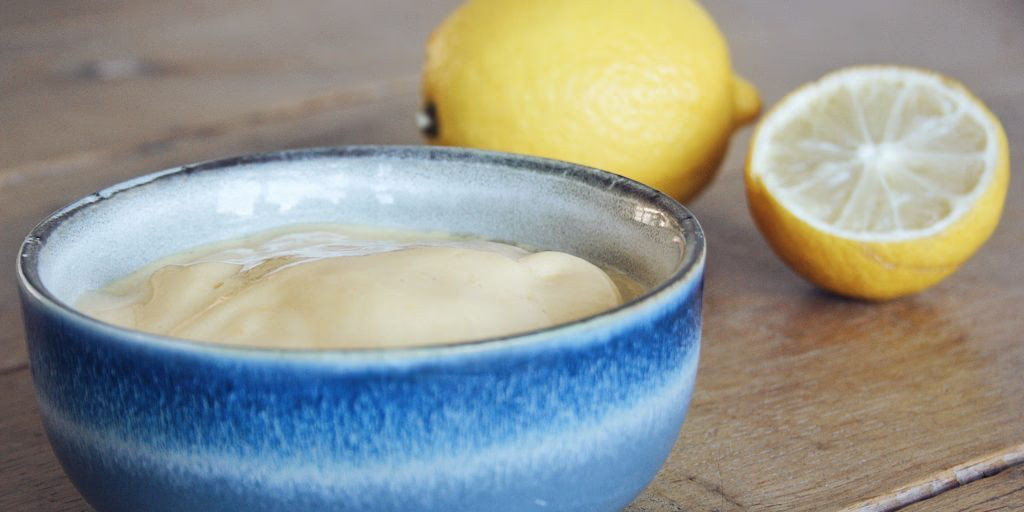
Read more
100-omelet-640x320
NutritionBy Bobby Stevens17-09-2019

Lunch inspiration: stuffed salmon omelette

In this article about lunch inspiration filled salmon omelet: Salmon is packed with omega-3 fatty acids, proteins, potassium, magnesium, and vitamins B and D. Combine that with an egg and some vegetables, and you have what we consider a perfect meal. This omelet can be eaten both cold and warm, and for breakfast, lunch, or dinner! Lunch inspiration filled salmon omelet explained Ingredients for 2 people: – 1 tbsp oil – 4 eggs – 100 grams smoked salmon – 1 onion – 200 grams spinach (or alternate with, for example, broccoli and peas) – pinch of curry powder – 1 spring onion or another favorite herb Preparation method: 1. Break the eggs into a bowl and whisk them together. 2. Cook the vegetables in the oil and season with curry, pepper, and salt. Distribute the vegetables evenly in the pan. 3. Evenly distribute the salmon over the vegetables. 4. Pour the egg mixture over the vegetables and salmon and cook on low heat (5-10 min). If you are using an oven-safe pan, continue cooking the omelet in the oven (+/- 10 min), this way the top will cook beautifully. 5. Serve with the spring onion. Nutritional value per serving: Calories: 350 Fats: 23 grams Proteins: 28.6 grams Carbohydrates: 8.1 grams Also read: 5 breakfasts with more than 25 grams of protein · more articles on our blog · personal training at Daadkracht .
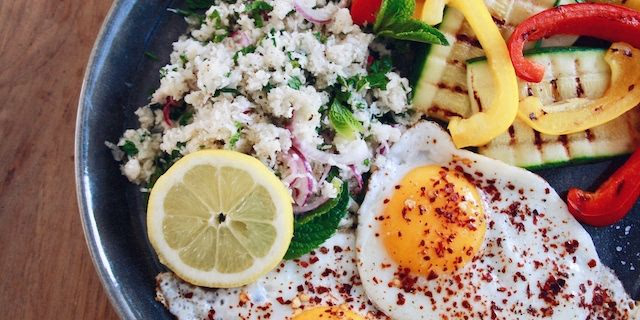
Read more
100-ontbijt-kwark
NutritionBy Bobby Stevens18-09-2025

5 breakfasts with more than 25 grams of protein

In this article about 5 breakfasts with more than 25 grams of protein: Do you eat the same breakfast every morning or do you switch it up regularly? Variety is important, but the composition of your breakfast also determines the rest of your day. With these 5 breakfasts, you always have a protein-rich and varied breakfast. 5 breakfasts with more than 25 grams of protein explained 5 breakfasts with more than 25 grams of protein In the blog about 5 tips for a healthy diet we indicated that there should be a source of protein in every meal. This includes your breakfast! Proteins are important for numerous processes in your body and help you feel full until lunch! To give you some inspiration, here are 5 protein-rich breakfasts! 1. Low-fat quark with muesli and red fruit Starting with the easiest breakfast. With this, you quickly have a hefty portion of protein! For this recipe you need: – 300 grams of low-fat quark – 1 serving of homemade muesli (or for example some unsalted nuts) – 50 grams of red fruit Mix everything in a bowl, enjoy! 308 calories, 36g protein, 17g carbohydrates, 10g fat. 2. Omelet with vegetables This breakfast takes a bit more time, but you also get a serving of vegetables in. For this you need: – 3 eggs – 200 grams of vegetables (leftovers, pre-cut or fresh, such as bell pepper, spinach & tomato) – 1 tsp olive oil – pepper & salt Beat the eggs with the pepper & salt. Put the olive oil in the pan. Wait until the pan is hot and sauté the vegetables until tender. Now add the beaten eggs and cook the omelet until done. 351 calories, 26g protein, 11g carbohydrates, 23g fat 3. Cottage cheese pancakes These are delicious for the weekend and the kids will love them too. You need: – 2 eggs – 100 grams of cottage cheese – 15 grams of oatmeal or brinta – tsp cinnamon – tsp butter Put all the ingredients in a blender and mix into a batter. Heat the butter in a frying pan over medium heat. Pour a small amount of batter into the pan when it is hot. Swirl the pan so that the batter spreads nicely. Flip when the top is almost dry and cook until golden brown. Repeat until the batter is finished. Add toppings as desired, this will change the nutritional values, of course! 353 calories, 29g protein, 12g carbohydrates, 21g fat 4. Vegan avocado shake It might be a bit of cheating, but if you like to have a shake for breakfast, you can easily add some protein with protein powder. For example, whey or pea protein. The avocado provides some healthy fats and a nice texture. This example is with soy milk & pea protein, but it can also be made with whey and cow's milk! – half an avocado – 150 ml soy milk – 25 grams of pea protein – cinnamon – half a banana – 50 grams of spinach Mix all the ingredients in a blender. 333 calories, 30g protein, 23g carbohydrates, 16g fat 5. Toast Bread makes you fat? Certainly not! Only if you eat it twice a day with sweet toppings, like many Dutch people do, you quickly miss out on a lot of nutrients. But sometimes it should be allowed! Use good whole grain bread as a base and top it with protein-rich products. The mentioned nutritional values are for 2 slices of bread with toppings. Chicken avocado: – 2 slices of whole grain bread (toasted) – 70 grams of chicken breast – 1/4 avocado – 1 tomato – chili flakes 292 calories, 25g protein, 29g carbohydrates, 7g fats Cottage cheese, peanut butter & banana: – 2 slices of whole grain bread (toasted) – 100 grams of cottage cheese – half a banana – 10 grams of peanut butter 25g protein, 39g carbohydrates, 14g fats Breakfast, training & recovery At Daadkracht, we not only love to inspire you with healthy and nutritious breakfasts, but we also ensure the right balance between nutrition, training, and recovery for optimal health. Curious about our approach? Then come visit one of our studios in Haarlem or Heemstede .

Read more
100-gewoonten-800x400
LifestyleBy Bobby Stevens03-02-2020

What are habits?

In this article about what habits are: Habits. We all have them. Making a cup of coffee when you get out of bed. Having 2 slices of bread with peanut butter for lunch every day. Brushing your teeth twice a day. Smoking a cigarette when you get out of the car. Taking a cookie with your tea or drinking a vegetable juice every morning. Daily life is characterized by habits. We repeat the same actions every day, at home, at work, or in contact with others. Without realizing it, 47% of our daily activities are exactly the same. 1 These are our habits. What are habits explained ‘Successful people aren’t born that way. They become more successful by establishing the habit of doing things unsuccessful people don’t like to do.’ What are habits and how do they develop? When behavior is repeated, cognitive, neurological, and motivational changes occur.2 Associations form in the memory between time, locations, and other stable contexts in which your habit takes place. They are not intentions or decisions, but the actions are stored in our memory. An action is triggered when the context is more or less the same as that of the learned habit.3 For example, walking into a dark room triggers the habit of turning on the light without the intention of doing so. The more often you perform an action, the stronger the association between that action and the context in our memory becomes. Therefore, the more often you have performed a habit, the harder it is to change it. This can also happen unconsciously. An unhealthy lifestyle An unhealthy lifestyle is essentially nothing more than a series of unhealthy habits. To achieve a healthy lifestyle, you need to replace these unhealthy habits with new, healthy ones. These do not develop after a good night's sleep or after having a salad for lunch once. You need to take your time for this. It is very likely that some habits go hand in hand. For example, if you want to make it a habit to exercise for 30 minutes every morning, you will also make healthier choices regarding food and perhaps watch less television. Changing habits Changing a habit is often accompanied by a goal. For example, losing 30 kg. To succeed in changing unhealthy habits, the goal must be realistic and achievable. If the goal is not achievable, motivation will gradually fade away. So, losing 30 kg may be your goal, but to get there, you can first set smaller goals, such as losing 10 kg. To lose weight, something needs to change in your current lifestyle. This also often happens in steps. Suppose you want to change the habit of eating chocolate every evening into a healthy habit. To succeed in this, it is important to ask yourself what the underlying motivation is; why is it so important for you to lose 10 kg? Do you feel sluggish and tired? Do you want to play with the kids more often and easily? Or has your environment motivated you to lose weight? To sustainably change a habit, it is important that the motivation comes from within yourself (intrinsic motivation) and not from others (extrinsic motivation). The greater the intrinsic motivation, the stronger the foundation for creating new healthy habits. Additionally, you need to consider whether it is feasible for you to change the habit. If changing the habit seems very unrealistic, you might be better off working towards your goal in other ways. If you work 60 hours a week and have to support your family, it might be too much to ask to exercise intensively 3 times a week. In that case, it might be wiser to start with a healthy diet, where you leave the chocolate aside. Once you have gone through these steps and it is clear to you why you want to change, it is time to change unhealthy habits. Below are 3 tips to help you with this. Discover routines and triggers As already discussed, routines and associations between time, location, and emotion are important triggers for habits.2 Which habit do you want to change or learn? Do you want to eat less chocolate? To break this habit, it is important to discover what triggers it. When do you reach for chocolate? This can be due to a combination of time, location, emotion, and other environmental factors. But also due to the preceding action. Do you want to sleep longer? Find out which habits are preventing you from doing that. Rewards A habit often develops because a reward follows. You eat chocolate because it tastes good and makes you happy. The more often you are rewarded by an action, the stronger the habit becomes. Find another reward that makes you no longer need the old habit. For example, change the habit of eating chocolate into a 10-minute walk or meditation. This way, you forget that you crave chocolate, and you feel good about yourself because you have walked. It often takes some searching to find what works for you. Look for an action that replaces the old unhealthy habit but still provides a reward. Do you want to learn a new habit? Make sure to reward yourself when you have performed the action. Break it Now that you know what triggers the habit of eating chocolate and you have thought of a reward, you can break the habit of eating chocolate. Do you want to learn a new habit? Then perform this habit at fixed times and reward yourself for it (and not with a piece of chocolate ;)). For example, have you discovered that stress is a trigger for you to eat chocolate? Address the problem at its source and find a habit that helps you cope better with that stress, such as meditation. Also, remember that eating chocolate only temporarily reduces the feeling of stress. Old habit: New habit: ‘Motivation is what gets you started; habit is what keeps you going.’ Repeat! Creating a habit takes time, and repetition is incredibly important. Keep going until the new healthy habit is fully ingrained in your system. Sometimes there are situations where you fall back into your old habit. This is part of the process. In the case of chocolate, you might eat 2 squares on a bad day instead of the half bar you used to eat. Just pick it up again the next day. Discover what truly drives you to this unhealthy habit and address the problem at its source. References Wood, W., Quinn, J., & Kashy, D. (2002). Habits in everyday life: Thought, emotion, and action. Journal of Personality and Social Psychology (83), 1281−1297. Neal, D.T., Wood, W., Quinn, J.M. (2006). Habits – A Repeat Performance. Association for Psychological Science (14), 4, 198-202. Wood, W., Witt, M.G., Tam, L. (2005). Changing Circumstances, Disrupting Habits. Journal of Personality and Social Psychology (88) , 6, – 918-933. Also read: Stay fit during menopause: 5 lifestyle tips · more articles on our blog · personal training at Daadkracht .

Read more
time-under-tension-1-1024x512
TrainingBy Bobby Stevens23-09-2022

Training with Time Under Tension (TUT)

In this article about training with time under tension: How many repetitions do you make? A question we often hear in the hallways of the gym. The number of repetitions is often linked to a specific training goal. But is this the right approach? In this article, we will tell you more about Time Under Tension and the number of repetitions you perform during a workout. Training with time under tension explained What is a repetition? A repetition can be broken down into different components. The eccentric contraction means that the length of the muscle increases during the exercise. During the isometric contraction, the muscle length remains the same; this is the transition between the eccentric and concentric contraction or vice versa. The concentric contraction means that the length of the muscle decreases during the exercise. A repetition is completed when these components have been executed. What is the tempo? Additionally, the tempo of the exercise is important, or the speed at which you perform each part of the exercise. To give an example of how this works in practice, let's take the Bench Press. The tempo of the exercise is indicated as 4-1-1-1. The first number represents the eccentric part of the movement and is 4 seconds in this case. The second number represents the isometric contraction, and the third number represents the concentric contraction, both lasting 1 second. The last second indicates the final part of the exercise, where the arms are fully extended. Time Under Tension and training systems Now that we know what a repetition is and how the tempo is described, we can explain what Time Under Tension is. Time Under Tension comes from strength training and refers to the total time that the muscles are under tension, and based on this, it is determined which system you are training in. These are the different systems: Time Under Tension and Reps Endurance/hypertrophy 70-90 sec 20-30 reps Hypertrophy/endurance 55-70 sec 15-20 reps Hypertrophy 40-55 sec 8-15 reps Hypertrophy/strength 30-40 sec 6-10 reps Strength/hypertrophy 20-30 sec 5-8 reps Strength 10-20 sec 2 – 5 reps By multiplying the number of repetitions by the tempo, you get the result of Time Under Tension. The last number for the indication of the tempo is not included in the calculation. Example: the number of repetitions is 10, tempo per repetition is 2-1-2-1. The Time Under Tension then becomes 5 x 10 = 50 seconds, thus you are engaged in hypertrophy training. By applying Time Under Tension in your training, you can achieve your goals faster than if you only focus on the number of repetitions you make. Ultimately, it is about the total time your muscles are under tension, not how much weight you can push in the shortest time possible. At the same time, you have more control over the exercise when you focus on time under tension. This control helps you with preventing injuries . If you want to know more about the different systems and how you can apply this in your training, please contact us! Safely applying time under tension with a personal trainer Are you not yet familiar with this training method? Then it might be wise to start with a personal trainer. They will guide you in everything related to exercising and a healthy lifestyle. This includes performing an exercise correctly. Does this sound good to you? Then come by, we are a personal trainer Haarlem . Our method is designed to help people of all levels train as efficiently as possible.

Read more
zuurkoolschotel-1024x512
NutritionBy Bobby Stevens12-03-2018

Recipe: healthy sauerkraut dish with chicken shawarma

In this article about the recipe for healthy sauerkraut casserole with chicken shawarma: Sauerkraut is traditionally common in winter recipes. A few weeks ago, we already posted a recipe for sauerkraut salad. Now, sauerkraut is not necessarily a favorite food for most people. But when it's incorporated into a tasty casserole with lots of cheese and potatoes, then we like it. Unfortunately, that's not a very healthy meal, so we searched for an alternative. Meet your new best friend: the healthy sauerkraut casserole with chicken shawarma. Check out what you need and make it yourself! Recipe for healthy sauerkraut casserole with chicken shawarma explained Ingredients 1 celeriac 2 parsnips 1 tablespoon mustard 1 splash of almond milk 300 grams chicken breast 2 teaspoons shawarma spices 250 grams sauerkraut 1 sweet pointed pepper 100 grams mushrooms 1 red onion 2 cloves of garlic half a bag of grated 30+ cheese/parmesan cheese Preparation method Ideally, season the chicken breast with the shawarma spices and a splash of olive oil a few hours in advance. Peel the celeriac and parsnip and cut into pieces. Cook in a layer of water with pepper and salt for 15 minutes. Cut the mushrooms, red onion, and pepper into pieces. Put a bit of coconut fat in a frying pan and fry the chicken breast. After about 5 minutes, add the vegetables and press in the cloves of garlic. Then add the sauerkraut and stir-fry the mixture for a total of about 10 minutes. Preheat the oven to 180 degrees. Drain the celeriac and parsnip and mash with a masher. Add the mustard and almond milk until it becomes a smooth and creamy puree. Spread a layer of puree over a baking dish and then a layer of the chicken and vegetable mixture. Repeat this until it's all used up, and ideally finish with a layer of puree. Finally, sprinkle the cheese over the casserole and let it bake in the oven for about 30 minutes. Et voila, a healthy sauerkraut casserole that consists solely of vegetables, chicken breast, and a bit of cheese! Variation tips You can optionally add a sweet potato to the puree for a bit more texture. You can also make this sauerkraut casserole vegetarian by omitting the chicken breast. As a garnish, it's nice to sprinkle some spicy arugula over your portion! Nutritional values A serving of sauerkraut casserole contains 390 calories, of which 11.5 grams of fat, 33.9 grams of carbohydrates (mostly from vegetables), and 36.75 grams of protein. A responsible meal! Also read: 5 breakfasts with more than 25 grams of protein · more articles on our blog · personal training at Daadkracht .
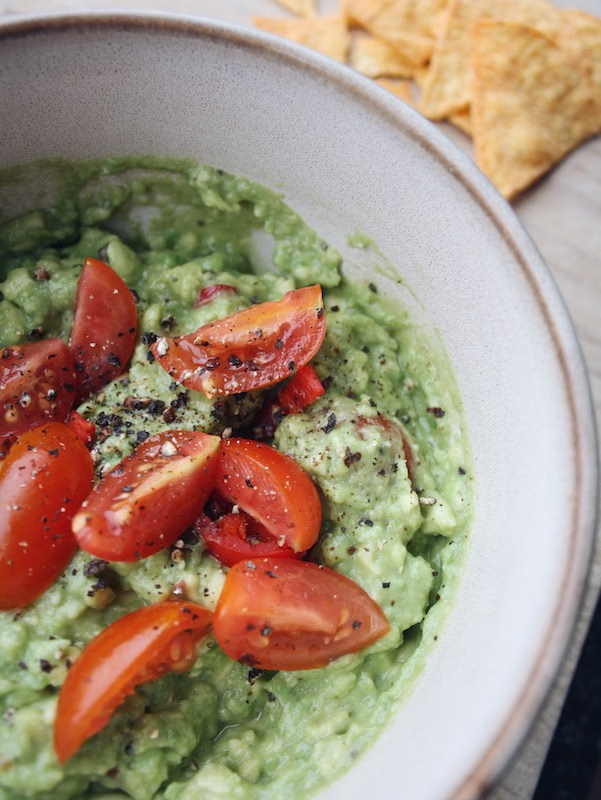
Read more
burger-van-zoete-aardappel-366x183
NutritionBy Bobby Stevens05-04-2017

Sweet Potato Burger

To keep your meals varied and healthy, it can sometimes be good to skip meat for an evening. This recipe provides a solution. This sweet potato burger can be served alone with a vegetable ratatouille or a dressed salad. For a tasty treat, you can also serve it on a bun with iceberg lettuce and pickles. Plenty of variation is possible! Check out the recipe below and enjoy a sweet potato burger yourself. Sweet Potato Burger Explained Ingredients (for 4 burgers) 100 grams black beans (canned, rinsed and drained) 1 sweet potato 6 mushrooms 80 grams oats 50 grams walnuts 1 red onion, chopped 1 1/2 cloves of garlic 1 teaspoon cumin 1 teaspoon paprika powder 1/4 teaspoon chili powder salt to taste Preparation Method Preheat the oven to 200 degrees. Peel the potato, slice it, and place the slices on a baking sheet with a little oil. Roast the potato for about 30 minutes until it is soft. Then, put all the other ingredients in a food processor and blend until a firm batter forms. Chill the batter in the refrigerator or freezer for a while. Form flat patties from the mixture and briefly fry them in a frying pan. Place them on a baking sheet and bake for 25-30 minutes in the oven. The longer they stay in the oven, the more they will dry out. Serve on a bun with some iceberg lettuce, pickles, tomato, and sauce of your choice. Also read: 5 breakfasts with more than 25 grams of protein · more articles on our blog · personal training at Daadkracht .
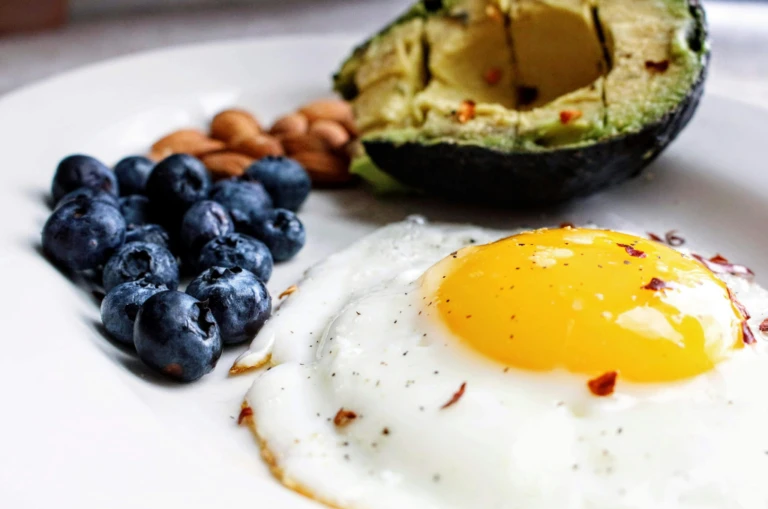
Read more
100-hrv-800x400
LifestyleBy Bobby Stevens20-07-2022

Heart Rate Variability: What is it?

In this article about heart rate variability, what is it: Heart rate variability (HRV) is receiving increasing attention, and not without reason! When you monitor HRV, you gain insight into the level of recovery and stress your body is experiencing. You might not expect it, but the higher the heart rate variability, the better. Researchers who have measured HRV over a longer period have found a positive correlation between low HRV and diseases, including cardiovascular diseases. We will explain how that works. Heart rate variability explained What is HRV? Heart rate variability is a measure of the variation in the time intervals between heartbeats (see image 1). For example, when you have a heart rate of 60 beats per minute, your heart does not necessarily beat every second. In a healthy heart, there might be 0.85 seconds between two beats one time, while another time it could be 1.15 seconds. Try it yourself: place a finger on your neck or wrist and feel the heartbeats. The longer intervals occur when you exhale, while the intervals are shorter when you inhale. When the intervals between two beats are almost constant, HRV is low; when there is more variation between these intervals, HRV is high. HRV is not always the same; when you are in a stressful situation, such as during training or while watching a horror movie, it will be lower than when you are, for example, meditating. Image 1: time interval between heartbeats ( www.support.polar.com ) HRV and stress Various studies have shown that low HRV is an indicator of stress in the body. Low HRV is even an early indicator of depression, cognitive problems, and heart issues.2 Since stress is a major cause of various diseases, it is important to monitor this and find ways to reduce stress. We measure HRV before a training session with a heart rate monitor; the measured HRV provides us with information on how to approach the training. Because low HRV is an indicator of stress and indicates that the body has not recovered well, we organize the training differently than when someone has a high HRV. We advise against training at high intensity with low HRV, as this can also fatigue the neurological system significantly. Training endurance (the aerobic system) through compound exercises at low intensity is a better option. For example: if you can squat 100 kg once, now do 20-25 repetitions with 30 kg and take about 60 seconds of rest afterward. Why is HRV variable? The autonomic nervous system has two different branches, the parasympathetic part (rest & digest) and the sympathetic part (fight or flight). The parasympathetic nervous system influences the body in such a way that it is in a state of rest where the body can recover. The sympathetic nervous system, also known as 'fight or flight', puts the body in a state where it can perform work. The two systems continuously work together. The collaboration of the parasympathetic and sympathetic nervous systems affects HRV.3 When the parasympathetic part is more activated, this results in a high HRV; when the sympathetic system is more activated, this results in a low HRV.3 As the activity of the parasympathetic nervous system decreases with age, we see in practice that HRV is often lower in older adults.4,5 What do HRV scores mean? We consider a good HRV score to be a score of 75 (+/- 10). A less favorable HRV score is a score below 50. High (75 +/- 10): better fitness level and endurance better overall health better coping with negative experiences calm, positive emotions younger age better recovery Low (<50): lower fitness level and lower endurance worse overall health increased risk of cardiovascular diseases and inflammation negative emotions anxiety and depression older age not fully recovered These scores of 75 and 50 are simply general guidelines; the HRV score is different for each individual, and age also influences this. The image below shows how the HRV score develops as you age. Therefore, it is important to measure your HRV score more often to find out what a good score is for you. This way, you can get to know the development of your own HRV and draw conclusions based on this. Source: Whoop – average HRV score vs. age How do I improve my HRV? You can use HRV to measure stress, but you can also actively stimulate and train it to: better cope with stress recover faster after exertion achieve better focus be able to relax better With exercises like meditation6, walking, or breathing exercises, you can increase your HRV. Block breathing is a good example of this. In this exercise, you inhale for 4 seconds, hold your breath for 4 seconds, and exhale for 4 seconds. Getting good sleep and eating nutritious food generally also leads to a better HRV score. If you know that you are not fit, it is also advisable to work on this through exercises as mentioned earlier. Are you curious about how much stress your body is experiencing? Come by to have your HRV measured and gain insight into your health! Sources 1. Thayer, J.F., Lane, R.D. (2007). The role of vagal function in the risk for cardiovascular disease and mortality. Biol. Psychol, 74 , 224–242. 2. Castaldo, R., Melilla, P., Bracale, U., Caserta, M., Triassi, M., Pecchia, L. (2015). Acute mental stress assessment via short term HRV analysis in healthy adults: A systematic review with meta-analysis. Biomedical Signal Processing and Control, 18, 370-377. 3. Thayer, J.F., Åhs, F., Fredrikson, M., Sollers, J.J., Wager, T.D. (2012). A meta-analysis of heart rate variability and neuroimaging studies for heart rate variability as a marker of stress and health. Neuroscience and Biobehavioral Reviews, 36, 747-756. 4. Antelmi, I., de Paula, R.S., Shinzato, A.R., Peres, C.A., Mansur, A.J., Grupi, C.J. (2004). The American Journal of Cardiology, 93, 381-385. 5. Pfeffer, M.A., Weinberg, C.R., Cook, D. (1983). Differential changes of autonomic nervous system function with age in man. Am J Med, 75, 249–258. 6. Phongsuohap, S., Pongsupap, Y., Chandanamattha, P., Lursinsap, C. (2008). Changes in heart rate variability during concentration meditation. International journal of Cardiology, 130 (3), 481-484. Also read: Staying fit during menopause: 5 lifestyle tips · more articles on our blog · personal training at Daadkracht .

Read more
avocado-5redenen-voordelen-366x183
NutritionBy Bobby Stevens06-07-2018

5 reasons to eat avocado

In this article about 5 reasons to eat avocado: We can no longer ignore this green guy: the avocado is everywhere. An avocado is a tropical fruit shaped like a pear with a hard green skin, soft white-green flesh, and a large pit. This fruit is often added to salads, eaten with a boiled or poached egg, or smashed on a crispy toast with pepper and salt. Many people find it very tasty, but what exactly are the benefits of eating this green guy? Below you will find five reasons to eat avocado. 5 reasons to eat avocado explained 1. Contains healthy fats Avocados contain unsaturated fats. The monounsaturated fatty acids found in them have a positive effect on your cholesterol levels and can protect against cardiovascular diseases. 2. Source of fiber Avocados are incredibly rich in fiber. This helps you feel full longer and can keep your appetite in check. Additionally, the amount of fiber promotes better digestion. 3. Good for your skin and hair The avocado is rich in vitamin A and vitamin B. These vitamins are known to be beneficial for the condition of your skin and hair. Therefore, these vitamins are also frequently used in hair and skincare products. 4. Protects against high blood pressure Avocados are packed with potassium, a mineral that protects against high blood pressure and significantly reduces the risk of cardiovascular diseases. 5. Good to eat during pregnancy One avocado contains a large amount of folic acid, which reduces the risk of birth defects. Therefore, it is good for pregnant women to include this in their diet. Critical note: although avocados contain good vitamins and minerals, they are also high in calories. When you pay attention to your daily calorie intake and eat avocado in moderation, there are many benefits! Read also: 5 breakfasts with more than 25 grams of protein · more articles on our blog · personal training at Daadkracht .
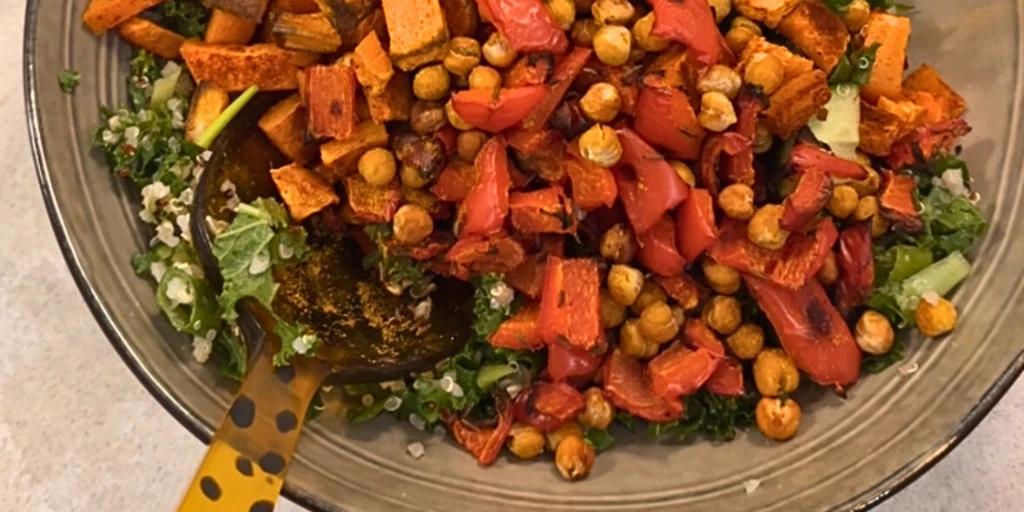
Read more
Spinaziewrap-recept-met-Italiaanse-twist-1024x512
NutritionBy Bobby Stevens06-06-2024

Spinach wrap recipe with Italian tofu

In this article about spinach wrap recipe with Italian tofu: Need inspiration for a protein-rich lunch? A spinach wrap with Italian tofu is packed with vegetables and proteins to keep you full for a long time. And that with the taste of Italy on your tongue. Here’s how to make this powerhouse. Spinach wrap recipe with Italian tofu explained You probably know those moments when you wonder what to make to get enough nutrients without staying hungry. Often we fall back into the same recipes and habits. To feel satisfied, your dish primarily needs enough proteins. You can supplement that with vegetables and healthy fats. For this spinach wrap, we chose eggs and tofu as the base. And if you think tofu is spongy and tasteless, you’re mistaken. Because with the right seasonings, this wrap is an Italian surprise that you’ll want to make more often. Ingredients for spinach wrap (1 person) For the spinach wrap: Large handful of spinach pepper & salt 2 eggs For the Italian tofu: 75 grams of tofu 8 cm zucchini 5 cherry tomatoes 2 tablespoons of lentils 1 shallot Italian herbs Garlic powder For the coating of the spinach wrap: Hummus with oregano Optional: parmesan cheese Preparation of spinach wrap Take the tofu and let the water drain. Cut the tofu into cubes and place them in a bowl. Add Italian herbs and garlic powder to taste. Let it marinate for a while. Take a Nutribullet or a blender and add the handful of spinach, the eggs, and the buckwheat flour into the blender with pepper and salt. Blend until it becomes a fluffy green batter. Spray some cooking spray or add a lump of coconut oil to a frying pan and cook the spinach wrap until it is done on both sides. Chop the zucchini, tomatoes, and shallot into pieces. Take a frying pan and lightly brown and crisp the Italian tofu. Add the zucchini, tomatoes, and shallot and cook together. Finally, add the lentils to the mixture. Spread a layer of hummus on the spinach wrap and place the Italian tofu mixture on top. You can optionally add Parmesan cheese and arugula. Enjoy your meal! Variations with a spinach wrap This protein-rich and healthy spinach wrap contains 400 calories, 13.7 grams of carbohydrates, 32.6 grams of proteins, and 22.3 grams of fat. You can vary by adding mushrooms and eggplant, for example. You can also optionally add one or two tablespoons of buckwheat flour for some extra carbohydrates. Are you going to make this dish? Let us know via Instagram with a photo of your #daadkrachtdish Also read: 5 breakfasts with more than 25 grams of protein · more articles on our blog · personal training at Daadkracht .
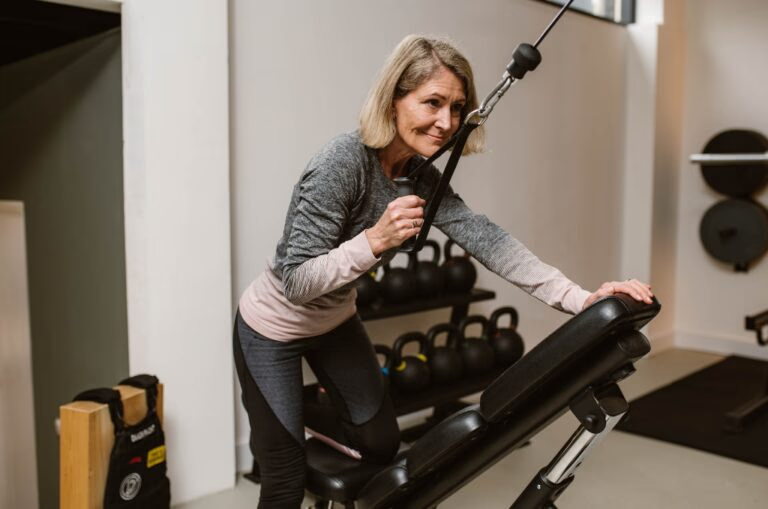
Read more
Alles-wat-je-moet-weten-over-krachttraining-768x509
TrainingBy Bobby Stevens25-07-2024

The power of strength training: everything you need to know

In this article about the power of strength training, everything you need to know: Do you want to start strength training or do you regularly go to the gym and really want to lose weight or build muscle? In this article, you will read everything about the power of strength training so that you too can achieve your fitness goals. The power of strength training explained: everything you need to know What is strength training? Strength training is a form of exercise that stimulates your muscles. By working with resistance, you challenge your body and put your muscles under tension. You can perform resistance exercises using dumbbells or fitness machines, but also with resistance bands or your own body weight. With strength training, you consciously load your muscles, making you stronger and fitter over time. The benefits of strength training That strength training is so popular among young boys , but also among adult women and older adults, is no surprise. Strength training is one of the most effective ways to become strong, stay fit, and age healthily. No matter your age or goal, this way of training fits well within a healthy lifestyle. Here are some benefits of strength training: Increased muscle strength : Strength training promotes muscle growth (hypertrophy) and increases muscle strength, making daily activities easier. Increased metabolism : More muscle mass increases resting metabolism, allowing you to burn more calories even at rest. Improved bone density : Strength exercises strengthen bones and can help prevent or slow down osteoporosis. Weight management : Strength training helps maintain a healthy weight or reduce body fat by increasing muscle mass and metabolism. Reduced risk of injuries : Strengthened muscles and tendons improve joint stability and posture, reducing the risk of injuries and pain complaints. Improved heart health : While aerobic exercises are traditionally associated with cardiovascular health, strength training can also contribute to healthy blood pressure and cholesterol levels. Stress reduction : Exercise, including strength training, stimulates the production of endorphins, which help reduce stress and anxiety. Improved self-confidence : Pushing your limits and achieving goals with strength training can enhance body image and self-confidence. Mental sharpness : Regular physical activity, including strength training, is linked to better cognitive function and focus. Want to know more? Here you can read 7 proven benefits of strength training. How to Start Strength Training If you have little experience with strength training, you may not know where to start. There are many different machines at the gym, the exercises you can do with weights look difficult, or you might prefer to train in the safety of your own home. It's understandable; starting something new always feels a bit uncomfortable at first. But don't worry, because strength training is for everyone, and with a few simple tips, you can have a strong start. For example, focus not on lifting heavy weights at first, but on maintaining good posture. And think about the exercises you select instead of just doing whatever. Want to know more? In this article you will find 6 tips for strength training for beginners. Achieving Goals with Strength Training Strength training is not only a challenging way to exercise that supports a healthy lifestyle, but it is also a form of training that allows you to achieve personal goals. For instance, strength training is one of the most effective ways to lose weight and build muscle mass. Weight Loss with Strength Training If you want to lose weight, it’s a good idea to incorporate strength training. While you may burn more calories in a short time with cardio training, strength training has more long-term benefits. With strength training, you increase your muscle mass, boost your fat burning, and improve your body composition. Do you want to lose weight with strength training? In this article you can read how to approach it. Building Muscle Mass Building muscle mass with strength training is the best way to make your muscles grow. By increasing your muscle mass, you become leaner and stronger. The process of building muscle mass is called hypertrophy, which means that you put your muscles under tension with strength exercises. This intentionally causes damage to your muscle fibers, prompting your muscles to recover and adapt. Through this adaptation process, your muscle mass increases. If you want to build muscle mass, you need to consciously stimulate your muscles. Want to know more about this process? In this article we explain everything about the process of building muscle mass with strength training. Strength Training at Home Maybe you’re not the type who enjoys going to the gym, or you spend a lot of time at home due to a busy family life, but you still want to do strength training. You can also have a workout at home to get your muscles working. By training with your own body weight, using household items, and setting up a varied training schedule, you can stay strong and fit right from the safe environment of your own home. Curious about how to best approach strength training at home? In this article, you will find tips and a schedule for beginners and advanced trainees. Strength Training at Daadkracht Do you want to start strength training and need personal attention, professional guidance, and a luxury studio where you have the space to work on your fitness goals? Then book a free trial lesson at one of our personal training studios in Overveen or Heemstede and experience the power of strength training for yourself.

Read more
Havermout-recept-bosbessen-crumble-herhealth.nl_-1064x532
NutritionBy Bobby Stevens05-01-2023

Oatmeal recipe for apple blueberry crumble

In this article about oatmeal recipe for apple blueberry crumble: Oatmeal is a popular grain. It is often eaten for breakfast or used in cake or banana bread. However, it can be quite a challenge to prepare oatmeal in a flavorful way. This innovative oatmeal recipe is delicious as a breakfast, snack, or dessert. Oatmeal recipe for apple blueberry crumble explained We understand why oatmeal is so popular. It has many health benefits. The holistic health platform Holistik also shared five benefits of oatmeal recipes. For instance, it helps regulate your blood sugar levels, is rich in antioxidants, and aids in a healthy metabolism. Enough reasons to let yourself be surprised by this warming and flavorful oatmeal recipe, almost as delicious as an apple crumble pie. Ingredients for this oatmeal recipe 1 large apple 100 grams of blueberries 1 generous tablespoon of cinnamon 1 handful of currants 1/2 scoop of protein powder 2 tablespoons of spelt flour 2 tablespoons of oatmeal 1 teaspoon of agave syrup 1 teaspoon of coconut oil (solid form) Preparation of apple blueberry crumble Meanwhile, preheat the oven to 200°C. Peel the apple and cut it into small pieces. Place the pieces in an oven-safe dish. Add the blueberries. Sprinkle the cinnamon, currants, and protein powder over it and add 1 tablespoon of spelt flour and 1 tablespoon of oatmeal. Mix well. Then, combine the coconut oil with the agave syrup and the remaining spelt flour in a bowl and rub the ingredients between your fingers until it forms a crumble. Spread the crumble over the mixture and bake the apple & blueberry crumble in the middle of the oven for about 25 minutes until golden brown. Enjoy! Share your oatmeal recipe Are you planning to make this oatmeal recipe? Share your dish with #daadkrachtdish on Facebook or Instagram so we can see it if you feel inspired. Working on your health with a personal trainer in Haarlem Regularly making an oatmeal recipe can contribute to a balanced health. Do you need more guidance in providing a healthy lifestyle? At Daadkracht, we are happy to help you with that. We look at not only your nutrition but also training and recovery. Visit one of our personal training studios in Overveen or Heemstede or book a trial lesson without obligation. Photo: herhealth.nl

Read more
trainen-angststoornissen-1024x512
TrainingBy Bobby Stevens25-09-2022

Strength training and anxiety disorders

In this article about strength training and anxiety disorders: We all know the feeling of tension or anxiety. For example, when you have to give an important presentation in front of a group of people, when you have to take an exam or complete an assignment for school or work, or when you have to play in a competition. Anxiety is an emotion with two sides. On one hand, we need healthy tension before we perform to bring out the best in ourselves. On the other hand, this tension should not escalate, as it will not benefit our performance. Anxiety disorders are the most common mental disorders worldwide. First-line treatment for such disorders includes medication and therapy, but scientific research has also looked into the relationship between anxiety disorders and training. We find this an interesting perspective. We delved into the results and will explain it to you. Strength training and anxiety disorders explained Anxiety disorders and treatment Anxiety disorders are the leading causes of mental disorders and burnout worldwide. Examples include OCD (obsessive-compulsive disorder), post-traumatic stress disorder, or a specific phobia. Treatment is usually done through a combination of medication and therapy. However, various studies have also looked at alternative treatment methods. Exercise is seen as something that everyone has at their disposal, and multiple studies show that aerobic training has a significant effect on reducing anxiety disorders. However, the effect of strength training on reducing anxiety has been less frequently studied. The research we read aims to fill this research gap and therefore conducted a meta-analysis (quantitative comparison of the literature in this field). Anxiety disorders and strength training The main goal of the research was to test the effect of strength training on feelings of anxiety by comparing various studies, the difference in effect between strength training and aerobic training, and the influence of possible other factors. The study found that strength training has a positive effect on symptoms of anxiety (increased heart rate, stress, nerves, negative thoughts, etc.). However, this effect was stronger for people who were (still) not diagnosed with an anxiety disorder but did feel feelings of anxiety. Additionally, it appeared that there were no differences in the effect of strength training or aerobic training. These results suggest that, alongside the medical route of medication and therapy, exercise (strength/aerobic) should be seen as a useful addition for mental health. Training and Mental Health Studies like these provide an interesting perspective on our health. It is well established and widely accepted that training has a positive impact on our physical health. The influence of training on our mental health is less frequently studied, but it certainly points in a positive direction. As we described in a previous article, training leads to better cognitive performance and a more positive mood. The exact reason why strength training reduces feelings of anxiety is still not entirely clear. What we do know is that training reduces stress, as we have already told you about the influence of stress on the body . Other plausible factors may include greater satisfaction with your body, feeling better in your skin, increased self-confidence, and improved fitness. Additionally, it also helps you to improve sleep , which also has a significant impact on your mental health. More research into the effect of strength training on our mental health is needed, and we are keeping a close eye on these results. Because we fully support the idea that training is an essential part of a healthy lifestyle. Starting to Train When You Have an Anxiety Disorder The step to start can be a significant hurdle. Walking into a large, busy commercial gym and doing exercises you've never heard of can indeed provoke stress, nervousness, and fears. This is exactly where a trainer can help. A trainer welcomes you in a private studio where only you and the trainer are present. Additionally, the trainer guides you through every exercise, which alleviates some of your worries. Would you like to experience this? I am a personal trainer in Haarlem and I would be happy to help you move, regardless of your personal circumstances. Source: Lifting the weight of anxiety. The Effects of Resistance Exercise Training on Anxiety: A Meta-Analysis and Meta-Regression Analysis of Randomized Controlled Trials. Examine.com

Read more
kerrie-roosjes-1024x512
NutritionBy Bobby Stevens30-08-2018

Recipe: cauliflower with curry & yogurt dip

In this article about cauliflower recipe with curry yogurt dip: We all know that it is important to eat enough vegetables. Yet, for most people, vegetables are not really their favorite food. And we understand that, because a serving of cooked cauliflower is not really flavorful. But you can prepare it differently, making eating vegetables truly delicious. Try this dish with cauliflower, curry, and yogurt dip, and you'll never want it any other way! Cauliflower recipe with curry yogurt dip explained Ingredients (2 persons) 1 Cauliflower 1 Red Bell Pepper 1 Spring Onion Garlic Powder Curry Powder Parsley Pepper and Salt Low-fat Yogurt or Quark Preparation Method Wash the cauliflower, remove the leaves, and cut into florets. Place a wok on the heat and melt a teaspoon of coconut fat. Add the florets to the pan and sauté for 1 minute on low heat. Season the cauliflower florets with plenty of curry and a pinch of garlic powder. Then add a small layer of water and let it steam with the lid on for about 3-5 minutes until the florets become a bit softer. Meanwhile, chop the bell pepper and spring onions. Remove the lid from the pan and increase the heat a bit, add the bell pepper and spring onions, and season with some pepper and salt. Stir-fry for 5 minutes. In the meantime, scoop a few spoons of yogurt or quark into a bowl. Season with garlic powder, parsley, pepper, and salt. Tip: this dish is delicious combined with a piece of salmon, chicken, or steak. Enjoy your meal! Also read: 5 breakfasts with more than 25 grams of protein · more articles on our blog · personal training at Daadkracht .
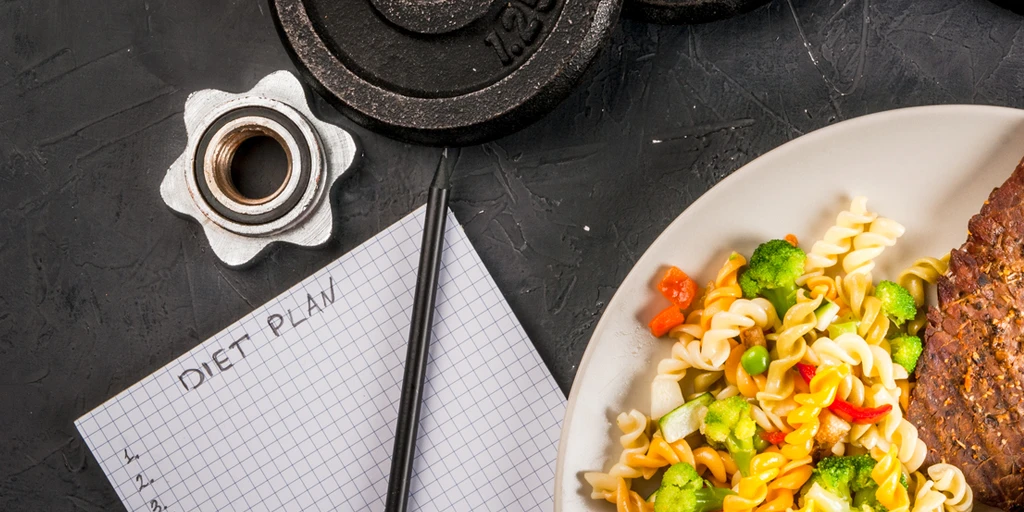
Read more
Benen-trainen-waar-je-rekening-mee-moet-houden-1024x512
TrainingBy Torito Marketing10-08-2023

Leg training: The ultimate exercises

In this article about leg training, the ultimate exercises: Never skip leg day. Whether you exercise or not, you've probably heard it before. And the saying is true. Your leg muscles are some of the largest and most important muscle groups you have. That's why we tell you everything about leg training in this article. Leg training the ultimate exercises explained Why are strong legs important? The function of strong leg muscles Strong leg muscles are the foundation of our body. They help with walking, running, jumping, and balancing. Moreover, they contribute to our overall physical health and well-being. As we explained in our blog about strength training, muscle mass is directly related to a longer life expectancy. Strong legs influence sports performance It should come as no surprise that strong leg muscles help with your sports performance. With strong muscles, you can create more explosiveness, which aids you in most sports. Additionally, extra endurance is also beneficial. Since humans started walking on two legs, they may have become the most important muscles in our body. Whether during sports or in daily life. Health benefits of strong legs Training your legs has many health benefits. It improves your circulation, strengthens your bones, and lowers your risk of injuries. So never skip leg training. Leg exercises at home: get the most out of your home training Benefits of training your legs at home Training your legs at home is a great way to stay fit. You don't need expensive equipment, and you can train at your own pace. There are plenty of exercises you can do at home to get started. Different home exercises for leg training There are numerous exercises you can do at home to train your legs. Think of: Squats Lunges Calf raises Glute bridges Each of these exercises targets different parts of your legs and helps build muscle strength and endurance. Safe leg training at home To prevent injuries, it's important to use good form and technique while training your legs. The videos above explain several exercises. Follow the instructions and don't train too intensely yet. Take enough rest between repetitions and only increase intensity when you're ready. Exercises for the glutes The importance of strong glute muscles Many people train their glute muscles because they are considered attractive, but did you know they also play an important role in your body? They stabilize your body and reduce strain on your lower back. The fact that you can walk, run, jump, sprint, and even sit without back pain is all thanks to your glute muscles. Yet for many of us, the glute muscles are underdeveloped. This is because we sit for at least 8 hours a day. That's far too much. Additionally, we hardly use our glute muscles, and they then 'forget' how to stabilize the body at other times. This leads to back pain and other complaints. So don't forget to pay attention to your glutes while working out. Example exercises for the glute muscles To strengthen your glute muscles, there are several exercises you can do: Squats Lunges Glute bridges Donkey kicks By doing these exercises, you'll quickly notice that you move more smoothly and have less trouble with activities like climbing stairs. How do you get bigger glutes? This is a question we often receive. And we always give the same answer: By training your entire body. Your glute muscles are not an isolated muscle group. They play an important role in the functioning of your whole body. Training only your glute muscles is of little use. Therefore, focus on your entire body, and you'll notice that your glutes will grow naturally. How not to train your glute muscles One of the most common myths about getting stronger glute muscles is that you only need to do squats. The reality is a bit different. Yes, squats help you build stronger glute muscles. But this is especially effective when combined with various exercises, good nutrition, and consistency. The importance of nutrition in building muscle mass You cannot build muscle without the right nutrition. Make sure you consume enough proteins, complex carbohydrates, and healthy fats to nourish your body and help your muscles grow. You can read more about nutrition in our blog on nutritional advice . Knee exercises: keep your knees strong and healthy You need strong knees Just like your glute muscles, your knees also suffer from the excessive sitting we do nowadays. And yet strong knees are essential for almost every physical activity. Without your knees, you wouldn't be able to move your legs, and walking would be quite difficult. Knee injuries often occur, causing people to derive less enjoyment from moving. This is a result of too little movement and other unhealthy habits. Fortunately, this means we can prevent knee pain. Prevent knee injuries through movement By training your legs a lot, the muscles around your knees become stronger, reducing the risk of injuries. Dynamic exercises often work best in this regard. Think of walking backward while pulling a sled with weights. This exercise is a real workout for your knees. Which muscles do you use during lunges? We've mentioned lunges a few times, but which leg muscles do you actually train with lunges? Anatomy of a lunge During a lunge exercise, you use various muscles. Almost every muscle in your lower body is engaged, including: Quadriceps Hamstrings Gluteus muscles Calves So it's a good exercise for your legs. Try it during your next workout. Different lunge variations to try There are various lunge variations you can try, such as the forward lunge, reverse lunge, walking lunge, and lateral lunge. Each variant trains the leg muscles in a slightly different way. Conclusion After reading this blog, you know that training your legs is very important. By training your legs and glutes, you experience many benefits, such as improving your overall health, performance, and posture. The next time you go to the gym, try an extra set of one of the exercises we've mentioned. Want to train your legs under the guidance of a professional? Daadkracht offers personal training in Haarlem . We have already helped many people achieve their health goals and look their best physically. Do you want to experience that too? Then contact us.

Read more
100-circadiaan-800x400
LifestyleBy Bobby Stevens11-11-2019

Circadian rhythm and shift work

In this article about circadian rhythm and shift work: Did you know that by establishing a consistent rhythm, you can lose fat more easily, build muscle mass, have more energy during the day, improve your sleep quality, and enhance overall long-term health? This rhythm is also known as the circadian rhythm. In this blog, we will tell you more about it! Circadian rhythm and shift work explained All your internal processes follow a certain rhythm: the circadian rhythm, which is a biological day-night rhythm lasting 24 hours, also known as the 'biological clock'. Many people are familiar with the example of the sleep-wake rhythm. But did you know that all major systems have a circadian rhythm? Examples include our body temperature, sleep, hormone secretion, metabolism, heart rate, and blood pressure. This is all well thought out by your body, but if your personal schedule does not sync with it, due to irregular working hours, a large dose of stress, or social activities, this rhythm gets disrupted. The result: your body no longer functions optimally. This leads to a decreased metabolism, increased production of 'negative' hormones, poorer recovery after a workout, reduced sleep quality, and increased hunger, just to name a few examples. In the image below, you can see what the circadian rhythm roughly looks like. This depends on your chronotype and various lifestyle factors. See if you can relate to this. As seen in the image above, you wake up because the production of melatonin decreases. Melatonin is the hormone that largely controls your sleep-wake rhythm. Among other things, due to the release of testosterone, you are most alert around 10:00 AM. The end of the afternoon is the best time to perform physically because around 5:00 PM your strength and cardiovascular system are working optimally. When the sun sets, melatonin makes you feel sleepy. So, you can see that there are peaks and troughs throughout the day regarding hormones, blood pressure, and body temperature. There are moments when you can sleep best (during the night) and moments when your body is more alert, allowing you to be more active again. By optimally utilizing these moments, your body functions best, and you live more vigorously. It is striking that in depressed individuals, these peaks and troughs are much less pronounced. The release of certain hormones and also, for example, body temperature shows less significant fluctuations over a 24-hour cycle. In these individuals, the circadian rhythm does not function optimally anymore. But how do you ensure that the circadian rhythm is not disrupted? Make sure you are not exposed to much light in the evening, and do so in the morning instead. Move during the day; in the evening, you want to rest. Resting in the evening helps you become sleepy. Temperature also affects our circadian rhythm. Increasing your body temperature in the morning and decreasing it in the evening positively influences your circadian rhythm. As mentioned earlier, your rhythm is determined by your own chronotype, which dictates what your circadian rhythm looks like. For example, if you are a night owl, you will become sleepy less quickly and have more trouble getting out of bed in the morning. This is the opposite for a morning person, which largely has to do with the timing of hormone release. This chronotype varies by life stage but remains almost the same as an adult. Unfortunately, it is not always possible, but try to adjust your work schedule to your circadian rhythm; this will make you significantly more productive and help you sleep better. To optimize your circadian rhythm, it is important to establish a routine. There is a 'best time' for every activity. Below is a list of actions you can take. Wake up at fixed times (even on weekends) Have breakfast at a fixed time Around 10 AM, you are most alert, a good time to work! Have lunch at a fixed time Take a short walk outside; exposure to daylight delays sleepiness Work The afternoon is the best time to exercise Have dinner at a fixed time Relax Dim the lights, ensure warm lighting, and lower the room temperature Establish an evening ritual, such as taking a warm shower, which lowers body temperature Go to bed at a fixed time in a dark room Establishing a rhythm like the one above is quite manageable for most people with a daytime job. However, when you work shifts, this becomes much more challenging, and it is harder to align your lifestyle with your circadian rhythm, leading to disruptions. Working shifts is often associated with various health issues, such as sleep disturbances, gastrointestinal problems, and cardiovascular health. Managing light, nutrition, movement, and temperature becomes even more important. Establish fixed habits per shift. For example, if you work one week from 6:00 AM to 2:00 PM and the next week from 4:00 PM to 12:00 AM? Maintain the same rhythm but shift it by 3 hours when you have a later shift. For example, waking up at 5:00 AM vs. 9:00 AM. Do you have a night shift? Then it gets a bit trickier. Make sure that after you wake up in the afternoon, you get enough daylight, and exercise before you go to work. In the middle of the night, have your last meal and go to bed around 8:00-9:00 AM. Also read: Stay fit during menopause: 5 lifestyle tips · more articles on our blog · personal training at Daadkracht .

Read more
Leefstijl-tips-voor-fit-blijven-tijdens-overgang-1024x512
LifestyleBy Bobby Stevens19-12-2024

Setting new goals? Five powerful questions for change

In this article about setting new goals, five powerful questions for change: Setting new goals is a powerful way to give direction to your life, career, or personal growth. But how do you ensure that those goals don't just remain good intentions, but truly lead to change? Goal setting starts with the right questions. Here are five key questions that help you not only set goals but also pursue them with determination. Setting new goals: five powerful questions for change explained Setting goals with 5 powerful questions If you're going to set goals, make it a conscious moment for yourself. Find a nice place where you won't be disturbed. Grab a pen and paper or an empty document, put on some nice music, and sit down comfortably. By going through these questions, you can set achievable goals that immediately motivate you to pursue them. 1. What do I really want to achieve? Many goals fail because they are too vague or do not stem from a deep desire. Ask yourself: what is the exact result I want to see? Imagine a situation in which you have achieved this goal and describe it in detail. The more concrete you are, the better you can plan and measure your progress. Example: Instead of “I want to get fitter,” set a goal like “I want to work out three times a week for three months and be able to run 5 km.” 2. Why is this important to me? Your motivation is the fuel for change. Without a strong 'why', the chance is high that you will drop out along the way. Explore the deeper reason behind your goal. Is it about your health, your relationships, or your career? What changes in your life when you achieve this goal? Tip: Write down your motivation and keep it visible, for example on a post-it on your mirror or workspace. 3. What obstacles can I expect? Setting goals and especially pursuing change comes with challenges. Identifying potential obstacles – such as lack of time, distractions, or a lack of knowledge – helps you to be prepared. Also, think about how you can overcome these obstacles. Example: If lack of time is an issue, you might try rearranging your schedule or taking small steps, like working on your goal for ten minutes a day. 4. What small actions can I take now? When setting goals, don't make them too big as that can feel overwhelming. Break it down into manageable steps. What can you do today, this week, or this month to get closer to your goal? Small, consistent actions build momentum and increase your motivation. Practice: Use techniques like the ‘two-minute rule’ : start with a task that only takes two minutes, like putting on your workout shoes or reading one paragraph of a book you want to finish. 5. How do I hold myself accountable? It's easy to lose sight of goals if no one reminds you. Create a system of accountability: share your goals with a friend, use an app, or keep a journal. Regularly reflect on your progress. What is going well, and what can be improved? Inspiration: Set rewards for milestones you achieve. This reinforces your motivation and makes the process more enjoyable. The power of reflection and action Setting goals and just saying something you want has no purpose. Change begins with a moment of reflection and becomes reality through action. By asking yourself these five questions, you not only gain clarity about your goals but also the tools to pursue them with determination. Remember: every great success starts with a small step. Setting goals at Daadkracht Do you find it difficult to set goals in the area of health? At Daadkracht, we map out your goals during an extensive intake and work with a determined plan under personal and professional guidance to turn your goals into action and results. We are happy to help you if you want change in your fitness, nutrition, and lifestyle. Book a free trial lesson at our studio in Overveen or Heemstede.

Read more
afvallen-zonder-dieet-Daadkracht-Training-768x509
LifestyleBy Bobby Stevens19-01-2023

How to lose weight without dieting?

In this article about how to lose weight without a diet: Losing weight without a diet: does that sound too good to be true? Not in our opinion. If you want to lose weight healthily, you don't need a diet but a healthy lifestyle. That's why we explain the basic principles of a healthy lifestyle. How to lose weight without a diet explained Losing weight is a well-known theme for many Dutch people. Especially women often struggle with their weight, but there are certainly men who want to lose pounds as well. You can approach weight loss in various ways. There are many different diets and weight loss plans available. However, we have previously shared that a low-carb diet (in our view) does not work, for example. However, you can lose weight healthily with these five tips . Additionally, we explain in this article why losing weight without a diet is absolutely possible, in our opinion. The three basic principles of losing weight without a diet Nutrition Many diets focus on eliminating certain products from your diet. Think, for example, of low-carb diets, replacing meals with meal replacements, or cutting out animal products. If you adjust your nutrition in this way, you will quickly create deficiencies in the body. Your body needs sufficient nutrients that it can only obtain from a varied diet. However, if you systematically eliminate certain products without finding other ways to get the necessary nutrients, you will notice those deficiencies. For example, you may become more fatigued because processes in your body are not functioning optimally. Therefore, it is wiser to get to know your body well and tailor your nutrition accordingly. And if you want to lose weight without a diet, it will be necessary to make changes to your eating habits. But this can also be done in a sustainable way that ensures you eat better and not less (nutritious). Exercise Simply changing your diet will not help you lose weight. Losing weight without a diet also requires sufficient exercise. Your body needs movement. It is not really designed to sit in a chair for days on end. To give your health a boost, you need to stay active. And if you want to lose weight without a diet, strength training can be very helpful. With this form of training, you build muscle mass and burn more fat. If you combine this with the right nutrition and sufficient recovery, you can lose weight in a healthy way. Recovery If you want to lose weight, you might think of a strict regime where you eat little and have to exercise a lot. But optimal recovery is just as important as the right nutrition and sufficient movement. Your body needs balance between effort and relaxation to function optimally. Your sleep quality plays a role in this, as well as the amount of stress you experience throughout the day. Do you notice that you are often stressed and find it hard to relax? Breathing exercises, meditation, and mindfulness can help you calm down. Do this, for example, at the beginning of the day to start the day from a place of calm, or at the end of the day to soothe your nervous system after the exertion you have experienced. It also helps to avoid screens for a certain time in the morning and after a certain time in the evening. By building these kinds of habits into your day, you ensure that you can better regulate your stress and give your body time to recover. An important condition for losing weight in a healthy way. Why losing weight without a diet works better These three principles are, in our opinion, essential for losing weight without a diet. Why? Because it is the foundation of a healthy lifestyle for the long term. A diet may provide weight loss or a tighter body in the short term, but if it is not sustainable in the long term, it is of no use to you. Psychology Magazine also emphasizes in this article the importance of feasibility for body and mind. Instead of focusing on losing weight, it is better to shift your focus to creating a healthy lifestyle. That is losing weight without a diet. Do you want to make a switch to a healthy lifestyle? Don't know where to start? Do you need personal guidance? At Daadkracht Lifestyle Coaching, we are happy to help you with that. Visit our personal training studios in Haarlem or book a free trial lesson .

Read more
Vrouw-doet-krachttraining-voor-thuis-1024x512
TrainingBy Bobby Stevens21-09-2023

The importance of strong abdominal muscles and a strong core

In this article about the importance of strong abdominal muscles and a strong core: A strong core may just be the secret to better sports performance. It keeps you balanced in everything you do and helps you generate strength, whether it's sprinting, jumping, zigzagging, or hanging. But your abdominal muscles and core also play a significant role in your daily life. They stabilize you when you sit, walk, or lift groceries. That's why training your abdominal muscles is very important and indispensable in any training plan. In this article, we will tell you all about it. The importance of strong abdominal muscles and a strong core What are the abdominal muscles and the core and what is their function? The abdominal muscles are part of your core. The core is a group of muscles that surround the center of your body. These include your abdominal muscles, obliques, and lower back muscles. These muscle groups are crucial for most physical activities because they stabilize your body during movement. Additionally, they surround your organs, providing a protective function as well. Benefits of strong abdominal muscles and a strong core Strong abdominal muscles are essential for good posture. Often, back pain is the result of tight hamstrings and weak abdominal muscles. Therefore, it is very important to train your abdominal muscles. Moreover, strong abdominal muscles also lead to better breathing and improved sports performance. Your core is an indispensable part of your body, not only during exercise but also in daily activities such as walking, lifting, and sitting. Abdominal exercises: the basics Types of abdominal exercises There are various types of abdominal exercises that target different parts of the abdominal muscles. Here are some exercises you can do: Crunches Leg raises Planks The abdominal muscles you train with these are: Rectus abdominis Obliques Transversus abdominis How often and how many abdominal exercises should you do? Like most strength training exercises, it is recommended to train your abdominal muscles two to three times a week. Do this in 3 sets of 10 to 15 repetitions each. Is 15 repetitions becoming easy? Then look for a more challenging option. Abdominal exercises with weights: the next challenge Benefits of weights when training abdominal muscles Using weights can better increase the intensity and effectiveness of abdominal exercises. By increasing the intensity, you work towards stronger abdominal muscles and a defined six-pack. Only make the abdominal exercises more challenging with weights once the exercises described above become too easy. Abdominal Exercises with Weights There are several exercises you can do to train your abdominal muscles with weights. A few examples are: Russian twists with a kettlebell Cable crunches Want to train your abdominal muscles even harder? Then try one of these exercises. Safely Train Abdominals with Weights When training with weights, it's important to start with light weights and gradually increase the intensity. Keep an eye on your form and technique to prevent injuries. Burn Belly Fat with Exercises Can You Burn Fat Locally? Burning fat locally, also known as spot-reducing, is an idea that can be harmful to your self-image and perseverance. It is a myth that you can burn fat in specific areas by training specific muscles. The truth is that your body burns fat as a whole and not specifically in one area. We would love to tell you more about it in our blog: burning belly fat. Take the First Step Towards Strong Abdominals Training your abdominal muscles has many benefits, including better posture, less back pain, improved sports performance, and an attractive figure. There are many exercises you can do to get started, but stick to the basics. Start with exercises without weights and gradually build up to weighted exercises. You will notice that if you take your time with this, you will make quick progress. Want to train your abdominal muscles with a sports professional? At Daadkracht, we offer personal training in Haarlem . In our private gym, we guide people towards their physical goals while helping them with exercise, nutrition, and lifestyle. By combining these 3 facets, we have created a holistic approach that allows everyone to achieve results. Interested? Then contact us.

Read more
Vijf-gezonde-recepten-met-eieren-1-1024x512
NutritionBy Bobby Stevens16-02-2023

Five healthy egg recipes

Scrambled eggs, boiled eggs, or omelet: you can do all sorts of things with eggs. However, it can sometimes be challenging to keep your meals varied. These five healthy egg recipes will give you instant inspiration (& appetite!) Five healthy egg recipes explained Eggs are a great source of nutrition to obtain proteins. Proteins serve as building blocks for your cells . They not only build, protect, and repair muscle tissue but all types of tissue in your body. They are essential in a healthy diet . Another advantage of eating eggs is that you can endlessly vary with them. To inspire you, we have compiled five healthy egg recipes. 1. Scrambled eggs with avocado and chicken strips Some egg recipes take quite a bit of time to prepare, but with this recipe, you can whip up a nutritious breakfast or lunch in no time. While you brew a cup of coffee or tea in the morning, melt a knob of coconut oil in a frying pan and crack two eggs into it. All you need to do is stir because the eggs don’t need to look pretty or cook for long. Season with pepper and salt, and in three minutes, you have scrambled eggs on the table. Add half an avocado and possibly some chicken strips or smoked salmon, and your egg meal is ready. 2. Boiled egg on the go You probably recognize the moment when you are on the go and get hungry or feel peckish in the afternoon. Our tip: make sure you have a boiled egg with you or can leave one at work. This way, you can enjoy a boiled egg as a healthy snack or add it to a salad or sandwich. For example, boil a few eggs in the evening while preparing dinner and store them in the fridge to take with you or add to a meal. Easy does it. 3. Farmer's omelet with vegetables Do you still feel energetic enough for the rest of the day after lunch? Instead of making sandwiches with salami or sprinkles, you’d be better off making a farmer's omelet with vegetables. This way, you’ll get plenty of vegetables and proteins, and you won’t feel so sluggish after lunch. With this healthy egg recipe , you can quickly make a farmer's omelet. Don’t have the option to fry an omelet at your workplace? Then prepare the farmer's omelet in the evening or morning. You can easily take this egg dish with you and eat it later in the day. 4. Varying with egg muffins If you have a bit more time, you can experiment with more elaborate egg recipes. On weekends, it can be nice to have a big breakfast with the family. Instead of croissants and ready-to-bake rolls, egg muffins are a fun and healthy alternative. Egg muffins are baked eggs in muffin molds. You can vary with the ingredients you add, such as in this recipe with tomato and chicken breast. And in this recipe they use hollowed-out bell pepper halves as muffin molds. With egg muffins, you have a delicious healthy egg dish that is also fun to make together and looks great on the breakfast table. 5. Frittata with salmon and spinach A popular combination with eggs is with spinach and salmon. You can add these ingredients to your egg recipes, thus directly incorporating healthy fats and iron into your meal. If you want to make a dish with eggs in the evening, then a frittata (with salmon and spinach) is definitely worth trying. A frittata is a cross between an omelet and a pizza; you add various ingredients to the egg mixture such as vegetables and cheese, and it is cooked slowly (often in the oven). It is nutritious, filling, and healthier than a quiche. Eat it together with a nice salad, and you have a royal meal. You can find the recipe for such a frittata here . Do you have questions regarding this article? Would you like to know more about training, nutrition, and lifestyle? Then we invite you to one of our studios in Overveen or Heemstede . Together we work towards optimal health on those three levels.

Read more
zalm-groene-asperges
NutritionBy Bobby Stevens08-11-2017

Salmon with spring onions and green asparagus

In this article about salmon with spring onions and green asparagus: Have you happened to read our article about fish oil? Then you have surely seen that it is good to get omega-3 from fresh fish weekly. We are happy to help you with a tasty recipe. This dish is packed with fats, proteins, and vitamins. And as you are used to from us, it can be on the table in no time and is delicious too! Salmon with spring onions and green asparagus explained Ingredients (2 persons) Salmon 250 grams Green asparagus 200 grams 1 Spring onion 1 Clove of garlic Herbs: fresh dill, pepper, and salt Arugula Handful of parmesan cheese Lemon Preparation method Place a frying pan and a wok on the heat and add a pinch of coconut fat to both. Put the salmon fillets in the frying pan and cook for about 5 – 8 minutes. Season with pepper and salt, and add the dill and spring onions in the last 3 minutes. Add the green asparagus to the wok and stir-fry for about 5 minutes. Add pepper, salt, and the clove of garlic to taste. Prepare two plates with a bed of arugula and some parmesan cheese. Distribute the green asparagus over this. Finally, place the salmon fillets on top. Finish with some lemon juice and extra dill. Variation tips Also delicious with a soft-boiled or poached egg on the side. Add toasted pine nuts for an extra crunch. Nutritional values A serving of salmon fillet (125 grams) is 260 kcal and contains 25 grams of protein, 16.25 grams of fat, and 0 grams of carbohydrates. Moreover, it is rich in vitamin C (4.875 mg), calcium (11.25 mg), and magnesium (33.75 mg). A serving of green asparagus (100 grams) is 20 kcal and contains 0.1 grams of fat, 3.9 grams of carbohydrates, and 2.2 grams of protein. Asparagus is also rich in vitamin C (5.6 mg), calcium (24 mg), and magnesium (14 mg). We are of course curious what you think of this dish! Share your opinion online or email us with #daadkrachtdinner. Enjoy your meal! Also read: 5 breakfasts with more than 25 grams of protein · more articles on our blog · personal training at Daadkracht .

Read more
SushiBowl-1024x768-1024x512
NutritionBy Bobby Stevens07-07-2022

Poke bowl with quinoa, mango, and salmon

In this article about poke bowl with quinoa, mango, and salmon: Sushi is delicious and going out to eat is fun, but it's usually not very healthy! Especially not when you've made it to round 5 at your favorite sushi place. Fortunately, there is now a healthier variant, namely the poke bowl with quinoa. With this recipe, you can easily and quickly have a nutritious poke bowl on the table. Great as lunch or dinner. Poke bowl with quinoa, mango, and salmon explained Ingredients: (2 servings) 120 grams of quinoa 100 grams of smoked salmon cubes 1 avocado 1/2 cucumber half a mango 2 tablespoons of soy sauce 2 tablespoons of sesame seeds a handful of fried onions Optional: 2 sushi sheets Preparation method : 1. Cook the quinoa according to the instructions on the package. 2. Cut the other ingredients into pieces or slices. 3. If you want to give your bowl a sushi twist, you can add sushi sheets cut into strips or pieces. 4. Drain the quinoa and stir in the soy sauce. 5. Distribute the ingredients over the quinoa according to your preference. 6. Finally, sprinkle with sesame seeds and fried onions. 7. Enjoy your meal! Enjoy your poke bowl. Share your Daadkracht Dinner We love to see you making our recipes. Share your poke bowl via Instagram or Facebook with #daadkrachtdiner. For more nutrition inspiration, check here .

Read more
Slaapkwaliteit-Blog-1024x512
LifestyleBy Bobby Stevens04-10-2022

How can you improve your sleep quality?

In this article about how you can improve your sleep quality: In the realm of lifestyle, we talk a lot about training and nutrition, but just as important, or perhaps even more important, is sleep and your recovery. Due to lack of sleep or poor sleep quality, the body cannot recover sufficiently from the physical exertions it has undergone during the day and the mental stimuli it has processed. If you start your day feeling unrested for several consecutive days, your body becomes increasingly burdened, resulting in overload, burnout, or depression. Those who paid attention earlier in the article about stress understand the impact this has on the body. In this article, we explain how you can recognize that you are sleeping poorly and everything about improving your sleep. How you can improve your sleep quality explained How do I recognize sleep deprivation? You probably know when you've had a bad night because you had trouble falling asleep or woke up frequently. Symptoms of sleep deprivation include delayed reaction and concentration abilities, making it harder to remember things and stay focused during activities like driving or meeting work deadlines. Additionally, feeling down is a symptom, as your brain produces less serotonin, also known as the happiness hormone, due to sleep deprivation. Furthermore, physical complaints such as headaches, nausea, colds, and flu can occur because your immune system is weakened. Do you recognize these complaints? It could very well be that you have sleep deprivation. The tips below can help you sleep better. Improve sleep by supplementing magnesium We previously wrote about the reasons to supplement magnesium and sleep promotion was one of them. Magnesium has the property of calming your nervous system due to its positive influence on the neurotransmitters in your brain. For example, taking 2 or 3 capsules half an hour before you go to sleep makes it easier to give in to mental fatigue. A lot of research has already been done on the effects of magnesium for sleep . It is often the first change we try with our athletes. Get enough movement during the day Throughout the day, your cortisol levels decrease, and your body will produce more growth hormone, which is a hormone that helps your body recover and grow. This natural balance makes you feel tired and helps you fall asleep more easily, allowing the growth hormone to do its work. However, if you do not move enough during the day, your body does not produce high levels of growth hormone, resulting in less sleep and making it harder to fall asleep. Conversely, if you engage in intense exercise right before going to bed, your body produces cortisol, making it difficult to fall asleep immediately afterward. In our article Strength training and anxiety disorders , we tell you more about this. Be aware of stressors If you have too much of the stress hormone cortisol in your body, the natural balance between cortisol and growth hormone is disrupted, making it difficult for you to fall asleep. You may feel very hyper and start to worry, for example. Additionally, your sleep quality will decline because you cannot recover as well. We explained how this works here . Therefore, try to address the stressors in your life at the source and be aware of potential factors that can make you stressed. Reduce stimuli We all know that exhausted feeling after a day of work or studying. Your body has had to process a lot of stimuli all day, and you need relaxation. Often, people watch television, start a series, or play on their phones in between tasks. This creates even more stimuli; just think about how much extra information your brain has to process on top of the mandatory activities you already have. If you were to compare our daily information processing to someone born in the Middle Ages, you would be amazed. It is no wonder that more and more people are struggling with burnout. Therefore, try to establish a fixed routine an hour before you go to sleep with activities that truly help you relax. A lot happens during your sleep, but one of the most important things is that it is essentially 'un-stimulating' after a busy day. Read more about what happens during sleep . Quickly get your sleep in order? Choose guidance Working with a personal trainer goes beyond creating training schedules and having a push to keep you accountable. A trainer looks at your entire lifestyle to help you develop healthy habits. One of those habits is a healthy sleep rhythm. Want to know more about it? Then visit our studio for personal training Haarlem . Conclusion Lack of sleep and sleep quality are often the result of multiple factors such as stress, insufficient movement during the day or too much movement before bedtime, and an abundance of information you need to process. We often know what we can do to be a bit more relaxed before going to sleep. With this article, we aim to clarify how you can recognize the symptoms of sleep deprivation and what you can do about it. Start by taking magnesium, pay attention to your movement patterns, and try to prevent stress and be mindful of your stimulus processing. Do you have questions following this article? Or do you want to know more about how this works? Don't hesitate and contact us at overveen@daadkracht.training

Read more
Gezonde-pizza-tortizza-1024x512
NutritionBy Bobby Stevens16-01-2025

Healthy pizza: tortizza with proteins & vegetables

In this article about healthy pizza tortizza with proteins and vegetables: A pizza with your favorite toppings, a loaded fries, or a chocolate bar: sometimes you just crave unhealthy food. That should be allowed every now and then, but it's even smarter to make a healthier version of your favorite craving. Discover the recipe for this healthy pizza with proteins & vegetables. Healthy pizza tortizza with proteins and vegetables explained Satisfy your cravings with a healthy pizza It's certainly not a bad thing to enjoy a greasy snack every now and then. But if you have a personal goal like losing weight or learning a healthier lifestyle, then it's wise to explore other options. You can stick to the 80/20 rule, but you can also create a healthier version of your favorite craving. And that's exactly what we excel at... Thus, the tortizza is a healthy pizza variant. This pizza is made from a whole grain tortilla as the base and tomato puree as the foundation. With toppings like vegetables, tuna, or chicken, you have a protein-rich and healthy alternative for your cravings. Check out the recipe below and enjoy a healthy pizza. Ingredients (2 servings) Whole grain tortillas 1 can of tuna in water (also try chicken or salmon) 1 large can of tomato puree 1 tablespoon oregano 1 tablespoon Italian herbs handful of green olives 1 red onion half a red bell pepper handful of grated goat cheese, parmesan, or pieces of mozzarella handful of arugula handful of capers Preparation (about 25 minutes) Preheat the oven to 180 degrees. Put the can of tomato puree in a bowl and mix with oregano and Italian herbs. Then chop the bell pepper, mozzarella, and red onion. Spread the tortillas on a baking sheet lined with parchment paper as needed. Spread the tortillas with the tomato puree. Sprinkle the red onion, bell pepper, mozzarella, capers, tuna, and olives over the tortizzas. Bake the tortizzas in the oven for 15 minutes. Finally, sprinkle with arugula and enjoy! Nutritional values (1 tortizza) Total calories: 328 Proteins: 56 grams Carbohydrates: 151 grams Fats: 38 grams Tip: For this variant, we used tuna as an example, but you can certainly get creative with this recipe and vary with pieces of chicken, salmon flakes, or different vegetables. Want to know more about nutrition or need help learning a healthy lifestyle? Don't hesitate to get in touch or book a free trial lesson .

Read more
7-bewezen-voordelen-van-krachttraining-1024x512
LifestyleBy Bobby Stevens20-12-2022

Five tips for healthy weight loss

At the start of a new year or new season, good resolutions often come back to the table. Perhaps losing weight is at the top of your list. At Daadkracht, we don't believe in diets, but we do believe in healthy weight loss. And you can start with this at any time of the year with these five tips. In this article about five tips for healthy weight loss: The desire to lose weight is often accompanied by a search for a diet that works, eating rules that you impose on yourself, and the pursuit of a certain result. This way of dealing with your lifestyle often leads to a lot of frustration; we believe that diets do not work. Losing weight becomes a 'thing', making you more focused on the result than the journey to get there. We believe that healthy weight loss is not about achieving a certain weight, but about learning a lifestyle that you can maintain, which will help you feel better in the long run. Five tips for healthy weight loss explained 1. Feeling over number In our view, healthy weight loss does not only start with a specific target weight. It is good to set a goal for yourself, but equally important is the feeling that comes with it. Why do you want to reach that weight? What feeling, belief, or value lies beneath it? Is it, for example, that you want to feel better in your skin, feel more confident, or become healthier? Ask yourself these questions to clarify what it is that you truly want deep down. When you move from intrinsic motivation, you will be more motivated than if you are seeking external validation of a certain result. If you ever feel discouraged, remind yourself of your personal drivers. That will take you further. 2. Eat better, not less When you want to lose weight, it is often automatically thought that you need to eat less. However, the turning point for a sustainable lifestyle lies not in eating less but in eating better. The principle still holds that if you consume many more calories than you burn, you will ultimately gain weight. But what we often see is that there is little awareness of what a healthy diet actually entails. Many people think they are eating healthily when, in reality, they are not. For example, the standard menu in most Dutch households contains a lot of bread and pasta, carbohydrates that the body processes less effectively. Another example is that more and more people are eating vegetarian and choosing meat substitutes, while these products negatively affect hormone balance. Therefore, if you want to lose weight healthily, it is important to gain insight into what healthy food is that suits your body so that you eat better and thus feel better. Tip: we recommend the knowledge and insights that Richard de Leth shares with OERsterk about healthy living. 3. Learn to eat consciously In the busy society we live in, time is not always made to eat calmly. It often happens that lunch is consumed behind a computer or breakfast is quickly eaten on the go. For some people, eating is also a way to cope with stress. If you are an emotional eater, you might unconsciously snack when you experience stress. Unconscious eating has a negative effect on your brain and body. You do not feel satiated, and you only develop a greater need to eat. Therefore, take the time to eat consciously; this creates a feeling of satiety and gratitude. It is also important for your digestion to chew your food well. Thus, eating and drinking consciously helps with healthy weight loss. 4. Get Moving Nutrition and exercise go hand in hand. Losing weight healthily is difficult if you don't move enough. The food you consume needs to be burned by your body and converted into energy. Your body needs movement to function and to remain vital and fit. Additionally, sufficient movement promotes healthy digestion. Therefore, try to exercise at regular times during your week and also move enough outside of those times. For example, take a short walk after lunch or take the stairs more often instead of the elevator. This way, healthy weight loss becomes not just a matter of consuming the right food, but especially about developing a healthy lifestyle that contributes to your well-being in the long term. 5. The Power of Recovery To lose weight healthily, your body needs time to recover. Besides nutrition and exercise, sleep is also an essential part of a healthy lifestyle. We previously shared an article about the quality of sleep and how to improve it. For example, try to go to bed at a regular time and avoid screens after a certain time in the evening. Additionally, meditation, mindfulness, or breathing exercises can help you relax and sleep deeper. Be aware of the effects of alcohol; your body really needs to recover from it, and it can significantly affect your sleep quality. So, if you want to lose weight healthily, you will need to pay attention not only to effort but also certainly to relaxation. Healthy Weight Loss with a Personal Trainer in Haarlem Do you want to lose weight healthily? At Daadkracht, we believe in teaching a sustainable lifestyle that allows you to lose weight in a healthy way. We don't just look at the number on the scale, but focus on your intrinsic motivation and provide you with personal guidance in the areas of nutrition, exercise, and recovery. Visit our studios in Overveen or Heemstede or request a trial lesson without obligation.

Read more
F0812E5D-BAE0-479A-AFEC-66A16B1A10D8-scaled-1024x512
LifestyleBy Bobby Stevens20-02-2020

OURA ring – for balance between sleep and activity

In this article about the Oura ring for balance between sleep and activity: The Oura ring, a sleep & activity tracker in the form of, you guessed it, a ring. Oura ring for balance between sleep and activity explained Before we dive deeper into our experience with the Oura ring, let's cover the basics. What is it, how does it work, and what data is collected? The Oura ring is a sleep and activity tracker. It falls into the category of Apple Watch and Fitbit but in a very different form. While the first two are primarily focused on tracking activity, the Oura ring is more accurate in terms of sleep. The ring contains sensors that track your sleep and activity based on: – The blood volume per contraction of the heart in the finger, which allows the ring to calculate breathing per minute, heart rate, and the heart rate variability (HRV) . – Body temperature – Movement of the hand wearing the ring – Time of day Based on the data that the ring measures, daily scores for your ‘readiness’, ‘sleep’, and ‘activity’ are provided. The first two are given at the beginning of the day, while the last varies throughout the day depending on how active you are. The homepage of the app. Text for a less favorable readiness score. A good score is above 70, above 85 is excellent. On the homepage, you receive daily tips and explanations when you click on the scores. READINESS The readiness score provides insight into how ‘ready’ you are for the day. This score indicates whether the amount of rest you get is balanced with your activity. Essentially, the score tells you how much work you can take on that day and is determined based on: – sleep score – sleep balance – is the amount of sleep you have received in the past 2 weeks balanced with how much sleep you need – activity score from the previous day – activity balance – how does your activity level affect your readiness – body temperature – resting heart rate – recovery index – how long does it take for your resting heart rate to stabilize during the night The app displays your readiness as follows: In the app, you can view trends for all data. This allows you to assess over a longer period how things are going with, for example, your readiness. This is ideal when you are trying new things to improve it. At a glance, you can see if this works for you. The readiness score with contributing factors. The HRV, which provides insight into your stress level. We have written a blog about this. When you experience a lot of stress, the HRV will be lower and the ‘readiness’ score will also be lower. A display of your resting heart rate from the past night, with average and lowest heart rate. SLEEP Sleep, the aspect for which the Oura ring is well-known. Research has shown that detecting sleep phases and sleep duration is quite effective with the Oura ring, although more research is still needed.1 The sleep score is determined based on: – total hours of sleep – sleep efficiency – sleep quality, how many hours of sleep you actually get out of the total time you spend in bed – restfulness – how often you wake up, do you sleep deeply or lightly? – hours and percentage of REM sleep – hours and percentage of deep sleep – time taken to fall asleep – timing – having a good rhythm is very important, we wrote about this earlier already In addition to these components, you can also see in the app how long and how often you were awake and how much light sleep you had based on a graph. The page looks as follows: The sleep score with contributing factors. This is an example of a poorer night. Scores above 70 are good, above 85 excellent. The progression of the night, including sleep stages. Here you can see, for example, how much and how often you sleep deeply, but also how often you wake up. The latter can be an indicator of stress; this is often accompanied by waking up frequently and restless sleep. This is included in the sleep score in the form of ‘restfulness’. Deep sleep was very low this night, only 11 minutes. When you click on deep sleep in the app, you get more information about it. Why it is important, what is normal, and what you can do to improve it. This applies to every variable that the app displays. ACTIVITY In addition to what the ring is most known for (readiness and sleep), it also displays your activity. The ring does this by measuring the movement of the ring. You can also add activities in the app. Every day, the app gives you a calorie goal based on your readiness score and sleep score. The activity score is determined throughout the day by: – inactivity – how many hours of the day have you been inactive (standing/sitting) – moving every hour – when you sit or stand still for more than 50 minutes, you receive a notification indicating that you need to move – meeting daily calorie goals – training frequency – training volume – recovery time The activity score and adding activities looks as follows: The activity score with variables. Adding a workout and a few of the different options. Adding a workout. The notification you receive when you have been inactive for too long. WHAT DO WE THINK? Not essential, but very interesting and educational! Overall, the Oura ring seems to be on the right track. The scores are explainable and often represent how we feel. By using the Oura ring, you become more aware of your sleep behavior and activity. Wearing the Oura ring motivates you to improve your sleep and move more. The app provides insight into where things are going wrong or right, and you can clearly see the effects of lifestyle changes in the trends of the various variables. The 'readiness' section of the app is very handy. It indicates whether the balance between sleep and activity (but also stress) is in order. When this is low, you know that you need to take action. For example, you might choose to prioritize rest. This can be in the form of sleep, but also in the form of rest during the day; ensuring that your body is not 'on' all day long. The HRV score, which is closely related to stress, is an important factor in this. One that not many other trackers measure, which we see as an added value of the Oura ring. Movement is also important to improve the readiness score. It is important to move enough and not sit for too long, but it is also important that movement is balanced. When you have a low readiness score, it might be better to plan a lighter workout if you are exercising that day. The app tracks sleep, which seems to be very good. Sometimes when you lie awake for a long time and move a lot, it does not register this as 'bedtime' and it seems to the app that you fell asleep quickly. With a few exceptions, the ring accurately indicates the time you go to bed and wake up to the minute. The ring motivates you to get enough sleep, helps you see its importance, and makes it clear what is going well and what is not, and what you can do about it. In our opinion, there is currently no other tracker on the market that measures and displays sleep as well as this one. It is good to see how often you wake up during the night; this is closely related to stress. Gaining insight is a significant advantage of the Oura ring. Wearing it makes you more aware of your sleep and activity. Although we didn't actually buy the ring for this, the activity part is surprisingly fun! It motivates you to stand up more often and achieve your calorie goals. It makes you aware of how often and how much you sit. This leads to more movement, which should generally improve overall health and sleep. All in all, we are very enthusiastic about the app. It is a good tool to gain more insight into your lifestyle, what is going well, and what can be improved. On the Oura website, www.ouraring.com , you can find more information and order the ring. 1. Zambotti, M., Rosas, L., Colrain, I.M., Baker, F.C. (2018). The Sleep of the Ring: Comparison of the Oura Sleep Tracker Against Polysomnography. Behav Sleep Med, 1-15. Also read: Staying fit during menopause: 5 lifestyle tips · more articles on our blog · personal training at Daadkracht .

Read more
ei-pasen-1024x512
TrainingBy Bobby Stevens29-09-2022

What is the influence of eating eggs on protein production and muscle growth?

In this article about the influence of eating eggs on protein production and muscle growth: It's almost Easter! Stores have been filled with eggs for months, especially chocolate ones, which come in forty varieties and sizes. But breakfast and brunch recipes are also bombarding us through every advertising channel. A perfect moment to explore more about the impact of consuming eggs on our bodies. Studies regarding protein consumption mainly focus on the effect of supplements like protein powder. However, we actually get the largest amount of protein from our daily diet. How does our body process that protein and how does it relate to training? We investigated. What is the influence of eating eggs on protein production and muscle growth explained Protein consumption and protein synthesis We consume protein daily from our diet. Foods that are high in protein include quark, eggs, chicken, and fish. Naturally, our body processes protein through protein synthesis . This is the process by which biological cells produce proteins. Protein synthesis is influenced by the amount of protein you consume as well as the training damage to the muscle cells. When you damage your muscles during training, the body repairs them through protein synthesis. This allows muscle fibers to grow. Additionally, it aids in muscle recovery, which is useful for preventing injuries . This process is also known as muscle protein synthesis (MPS) and is an interesting process to investigate in relation to the type of protein consumption and training. Muscle growth and egg consumption Research on the effect of protein consumption on muscle growth often focuses on the influence of isolated supplements (pure proteins) like protein powder. However, we get most of our protein from our daily diet. In an attempt to fill this research gap, studies have been conducted on the difference in protein consumption from whole eggs (yolk and white) versus just the egg white (isolated) on MPS. One group consumed protein through whole eggs, while the other group consumed only the egg white. Both portions contained the same amount of protein. After strength training, the increase in MPS was tested in both groups over five hours. The MPS was significantly higher, by 42%, for the group that consumed whole eggs compared to the group that consumed only the egg white. What does this study actually say? This research offers an interesting insight regarding protein consumption from our daily diet. The consumption of whole eggs has a greater influence on muscle protein synthesis than when you consume only the egg white. However, as with any study, there are also caveats. The research only shows that MPS is higher after consumption and training, but does not measure actual muscle growth. Muscle growth is a logical consequence of increased MPS, but cannot be definitively stated based on this study. Additionally, this study does not reveal the underlying reason why synthesis is higher for the consumption of whole eggs than for just the egg white. It may also be interesting to investigate the difference in synthesis between the consumption of protein powder (isolated protein) and whole eggs (protein and yolk). More research is needed to clarify this. It is certainly an interesting fact that the consumption of protein from our daily diet has a positive effect on our protein synthesis. Those eggs, the real ones not the chocolate ones, can therefore be eaten with peace of mind during Easter. And if you then throw in a good strength training , you not only burn off that brunch but may also increase your chances of muscle growth ;-). Applying this information in your daily life When you are busy in daily life, you cannot keep up with all the developments in the field of sports and nutrition. That's where a personal trainer comes in. They have researched everything and stay updated on the latest developments. This way, they can help you maintain a healthy lifestyle. Curious how that works? I am a personal trainer Haarlem and invite you to my studio to give it a try.

Read more
garnalen-mango-salade-2-1024x512
NutritionBy Bobby Stevens01-06-2018

Recipe: Spicy Shrimp Salad with Mango

In this article about the recipe for spicy shrimp salad with mango: Spring has burst forth! The perfect time to eat salads. Fortunately, you can endlessly vary with salads. If you're lacking inspiration, you can visit our blog for a refreshing recipe. Today we share a new combination with shrimp and mango. A spicy and tasty combination, ideal as a lunch or meal salad. Recipe for spicy shrimp salad with mango explained Ingredients (2 persons) 100 grams of lamb's lettuce 200 grams of shrimp 1 stalk of spring onion 1 avocado 1 mango 1 lime 3 cloves of garlic 1/2 chili pepper 3 tbsp mayonnaise Preparation method Put 3/4 of the mango, 3 tbsp mayonnaise, 1 tbsp olive oil, 1 clove of garlic, 1/2 red chili (with seeds) and the juice of 1 lime in a tall bowl. Blend until smooth dressing with an immersion blender. Divide the lamb's lettuce over two plates. Cut the spring onion, avocado, and the remaining mango into pieces and distribute them over the salad. Heat a wok and briefly sauté the remaining 2 cloves of garlic. Add the shrimp and cook until they are pink. Distribute the shrimp over the salad and finish with the dressing. Enjoy your meal! Variation tips Also delicious with a handful of chopped peanuts for an extra crunch! Also tasty in a smaller portion as a side dish or appetizer. Nutritional values A serving of spicy shrimp salad with mango contains 354 calories, of which 39.5 grams of fat, 45.9 grams of carbohydrates, and 44.5 grams of protein. Additionally, this dish contains 13.4 grams of fiber, 29 grams of vitamin A, and 101 grams of vitamin C. Also read: 5 breakfasts with more than 25 grams of protein · more articles on our blog · personal training at Daadkracht .

Read more
frisse-salade-gerookte-kip-mango-koriander
NutritionBy Bobby Stevens28-06-2018

Recipe: fresh salad with smoked chicken, mango & coriander

In this article about the recipe for a fresh salad with smoked chicken, mango, and coriander: This time of year calls for light salads. This variant with smoked chicken, mango, and coriander is fresh and lightly spicy. Besides being suitable as lunch or dinner, you can also choose to add whole grain pasta. Handy if you have men in the family who prefer a heartier meal. Check out the recipe below and make it yourself! Recipe for fresh salad with smoked chicken, mango, and coriander explained Ingredients (2 persons) 200 grams whole grain pasta 180 grams smoked chicken 1 Mango (or pre-cut into pieces) 1 Avocado 1 spring onion 60 grams soft goat cheese with honey 1 bag of arugula salad mix 3 sprigs of coriander 1 red chili pepper 4 tablespoons olive oil 1 lemon Preparation method (Optional) Cook the pasta al dente in about 5 minutes. Meanwhile, chop the mango, spring onions, smoked chicken, avocado, and red chili pepper. Put the olive oil in a bowl and add the red chili pepper. Squeeze the lemon into the mixture and stir well. Drain the pasta and let it cool for a moment. Then place it in a separate bowl. Add the salad mix to a large bowl and mix in the mango, spring onion, smoked chicken, and avocado. Drizzle the dressing over it and mix well again. Crumble the goat cheese over the salad. Finally, snip the coriander sprigs and distribute them over the salad. Et voilà, enjoy your meal! Also read: 5 breakfasts with more than 25 grams of protein · more articles on our blog · personal training at Daadkracht .

Read more
Afvallen-met-krachttraining-768x509
TrainingBy Bobby Stevens28-03-2024

Strength training for beginners: 6 tips for a strong start

You want to train with weights but don't know how to get started. That's understandable; all the information about strength training for beginners can be overwhelming! These tips will help you get off to a strong start. What is strength training? In this article about strength training for beginners, here are 6 tips for a strong start: Let's start at the beginning. Strength training, also known as fitness, is a form of training where you work with resistance. This challenges your body to use your muscles, making you fitter, stronger, and more energetic. It is often thought that you need heavy weights for strength training. But the beauty of strength training for beginners is that you don't need much. It's mainly about adding resistance to your workout, which requires you to exert strength. Think of resistance bands, TRX exercises, bodyweight exercises, or training with dumbbells and fitness machines. Strength training for beginners: 6 tips for a strong start explained Who is strength training for beginners for? Strength training for beginners is suitable for everyone. You can even start strength training at a young age (from 12 years old, for example), but it is important that you know what you are doing or have the right guidance. The earlier you start strength training, the more benefits you will have later in life. A strong body helps you perform daily activities better and supports you in aging healthily. Strength training for beginners: 6 tips for a strong start There is a lot of information available about strength training for beginners. It's understandable that you might not know where to start or how to approach it. When you start strength training, there are a few basic principles that will help you begin safely and responsibly. Focus on good posture When you start training, the first thing you should focus on is good posture. It is important that you perform the exercises technically well. This not only prevents injuries but also allows you to get the most out of your workouts. When you start with strength training for beginners, it is advisable to first master a few basic exercises. Think of the squat , the deadlift , and the bench press . Watch the videos of these exercises to learn the technique or ask for advice from a trainer at the gym. Once you have mastered the exercises, you can expand with other beginner exercises such as the lunge and the bent over row . Tip : You can also film yourself so you can see your own posture and progress. Train with an optimal range of motion A common mistake in the gym is training without a full range of motion. Examples of a full range of motion (Full ROM) include going to parallel in a squat or touching your chest in a bench press. During a full range of motion, the muscle is optimally stretched under load. This effectively stimulates the muscle you are training and promotes muscle growth. So if you train without Full ROM, you are not fully utilizing the exercise. Additionally, it is important to also perform a safe range of motion. Every body is different, which means your range of motion may differ from someone else's. The flexibility of joints and any injuries also play a role here. It is important to get to know your own body and train with both a full and a safe range of motion. Consider the number of repetitions If you are just starting with strength training, the focus is primarily on technique and your body posture. The chances are high that your body is not yet accustomed to heavy strength training. For beginners, we recommend starting with a lower weight and more repetitions. Choose a weight (or another form of resistance) that allows you to perform around 15 repetitions; it should be challenging but not heavy or painful. If you find that you can easily perform 15 repetitions with the chosen weight, you can increase the weight next time. This way, you gradually build up the intensity of the training without overexerting your body. Be mindful of the intensity of the effort Not only in strength training for beginners, but in strength training in general, it is important to find the right intensity. You want to sufficiently stimulate your muscles so that the muscle fibers are engaged, but you also do not want to overstimulate your muscles. In certain cases, you can train to muscle failure, which means you can no longer complete the last repetition fully. We recommend not letting it get that far in strength training for beginners. Look for an intensity where the last repetition is about 1-3 repetitions away from muscle failure. This may take some searching and requires getting to know your body. This is important, as it allows you to conserve more strength and energy to focus on the technique of the exercise. Select your exercises carefully Another tip for a strong start is to choose your exercises carefully. You want to train your entire body so that your whole body becomes stronger. This means doing exercises for both your glutes and legs, as well as for your upper body. There is also a difference in the direction of movement. There are exercises with a pushing motion and exercises with a pulling motion. You can choose to train your whole body each time or to work with a so-called split routine, where you train a different part of your body per session. For beginners, we recommend starting with, for example, two workouts per week where you train the entire body. If you have trouble choosing the right exercises, ask for help at your gym or from a trainer so that you have a varied training schedule. Ensure adequate recovery time With strength training, you increase the load on your muscles, which actually causes damage to the muscle fibers. In response, your body produces muscle proteins to repair these damaged muscle fibers. Through this process, your muscles become stronger and more powerful. This means that your body needs recovery time after strength training. How much time your body needs to recover optimally varies from person to person. If you are just starting with strength training, it may very well be that your body needs a bit more time to recover. This form of stress is new for the body, and it takes a bit more time to adapt to it. So listen carefully to your body, give it enough rest and nutrition, and resume training when you have sufficiently recovered. Strength training for beginners All in all, strength training for beginners mainly requires you to get to know your own body. Focus primarily on the technique of the exercises and good body posture. Gradually build up with more repetitions and a slightly lower weight, but do look for an intensity that sufficiently stimulates your muscles. Train your entire body with a varied training schedule and take into account the recovery time of your muscles. These are the most important tips for a strong start in strength training for beginners. Need help choosing the right exercises or performing the technique? Visit our studios in Overveen or Heemstede. With personal guidance, you will get the most out of your strength training.

Read more
vetten-macronutrient-functie-personaltrainer-366x183
NutritionBy Bobby Stevens23-06-2022

What are fats and what do they do exactly?

In this article about what fats are and what they do: When you think of a healthy diet, you might not immediately think of fat. However, certain fats are indeed essential. They, along with carbohydrates and proteins, are one of the three important macronutrients that the body needs to function. So what exactly are good fats and how do you incorporate them into your diet? We explain it. What are fats and what do they do explained What are fats? Fat is a mixture of fatty acids that differ based on their chemical structure. There are three types to distinguish: unsaturated fat, trans fat, and saturated fat. Saturated fat can be found in meat, butter, and cream, while trans fat is present in foods like snacks, fried foods, and margarine. Saturated fat and trans fat raise LDL cholesterol, while unsaturated fat lowers LDL cholesterol. This type of cholesterol increases the risk of cardiovascular diseases. Therefore, it is important to pay attention to the type of fat you consume. But besides the influence fats have on your cholesterol, they also have an essential function. What is the function? Fats are often linked to body fat or gaining weight, but the body does need fats. Fat provides energy to the body. For comparison, 1 gram of fat provides 9 kcal of energy, compared to about 4 kcal per gram of carbohydrate or protein. Fats are also necessary for healthy growth and development, the absorption of certain vitamins, protection of organs, and maintenance of cell membranes. Fats, for example, protect you from viruses and are needed for the proper functioning of your eyes and brain. The body can produce many fats itself, but essential fats must be obtained from food. What role do fats play in our diet? Although the body produces fatty acids itself, you do need essential fatty acids from food. Additionally, you can only obtain certain vitamins such as vitamins E, A, and D through fat, as they are fat-soluble. For instance, oil provides vitamin E, while butter provides vitamins A and D. An excess of fat is stored as body fat, and therefore it is advisable to monitor your fat intake. It is recommended to replace saturated fats and trans fats, such as fatty meats, cookies, pastries, and snacks, with unsaturated fats like fish, nuts, and avocado. This way, you still get your essential portion while reducing the risk of cardiovascular diseases. Daadkracht Lifestyle Coaching If you have questions about adding fat to your diet, at Daadkracht we look at your overall health and focus not only on training but also on improving your lifestyle and dietary habits. If you have questions about nutrition or lifestyle as a result of this article, please do not hesitate to contact us at info@daadkrachtoverveen.nl Also read: 5 breakfasts with more than 25 grams of protein · more articles on our blog · personal training at Daadkracht .
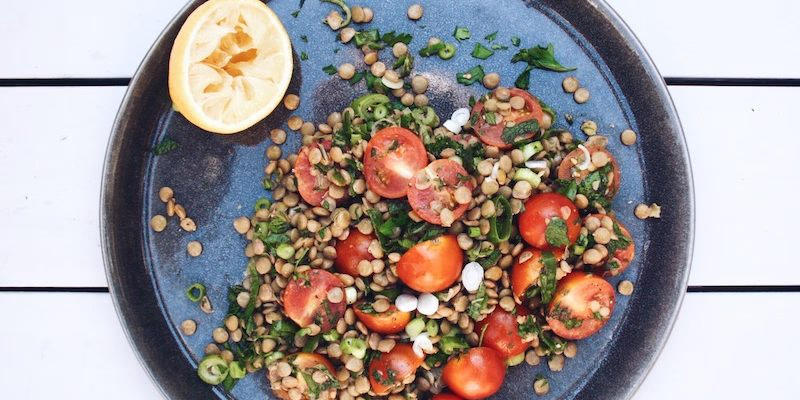
Read more
hart-envaatziekten
NutritionBy Bobby Stevens14-02-2018

Five supplements for a strong heart

In this article about five supplements for a strong heart: Happy Valentine’s Day! Not only is February 14th the day of love, but in America, February is also National Heart Month. Heart diseases are the number one cause of death worldwide for both men and women. Fortunately, there is a lot you can do to prevent heart diseases. In addition to exercising enough and maintaining a healthy diet, certain substances are beneficial for a strong cardiovascular system. Supplements for the prevention of heart and vascular diseases are booming business, which automatically means that there are many products on the market claiming health benefits. But which supplements really work? We have listed the proven supplements for you. Five supplements for a strong heart explained Nitrate Nitrate is a substance that naturally occurs in many vegetables such as beets, cabbage, endive, and spinach. It was once considered a toxic substance, but is no longer seen as risky. Research even shows that a diet rich in (nitrate-rich) vegetables reduces the risk of high blood pressure, heart disease, and cancer. So eat your veggies! Garlic Another product often mentioned for the prevention of heart and vascular diseases is garlic. This is due to the hydrogen sulfide it contains. A higher amount of hydrogen sulfide in your body ensures good condition of your blood vessels and lowers blood pressure. Another study even showed that when a group of people with elevated cholesterol consistently consumed garlic for at least two months, the total amount of cholesterol in the body significantly decreased. Garlic is therefore seen as a cheap and simple way to maintain important parameters for a well-functioning heart, such as your blood vessels, blood pressure, and cholesterol levels. Vitamin K2 Healthy blood vessels are flexible blood vessels. When arteriosclerosis occurs, calcium attaches to the walls of your blood vessels, causing them to become stiff and harden. Due to arteriosclerosis, the blood vessels narrow, a common cause of a heart attack. Vitamin K2, which is found in egg yolk, is one of the few substances that seems to reduce arteriosclerosis. Vitamin K can be divided into three groups. K1 plays an important role in blood clotting, K2 is responsible for regulating calcium, and K3 is a synthetic provitamin that is not used in food and supplementation because it can harm health. When you eat enough vegetables (especially green leafy vegetables), you get enough vitamin K1. K2 is not found in large amounts in food, so it is advisable to supplement vitamin K2 to promote a healthy cardiovascular system. Berberine Insulin resistance means that your body no longer responds well to insulin, causing blood sugar levels to remain unbalanced. This can be caused by overweight, smoking, lack of exercise, and stress. Increased sugar in the blood can damage vascular tissue and lead to higher blood pressure. The substance berberine is an activator that helps convert glucose into usable energy. Berberine thus helps keep blood sugar levels balanced and is definitely recommended to supplement when you have weakened glucose regulation. Taurine Taurine is an essential amino acid found in the vascular tissue of the heart and helps maintain a regular heartbeat. Under healthy conditions, the body produces enough taurine on its own. Research in patients with heart failure has shown that supplementing with taurine can improve heart functions. Other studies suggest that taurine supplementation may lead to a reduction in blood pressure in people with high blood pressure. Therefore, taurine supplementation is particularly interesting if you are dealing with cardiovascular issues. Absolutely great! In short, in addition to sufficient exercise and a healthy diet, certain substances can contribute to a strong cardiovascular system. Supplementing with Vitamin K2 and Berberine can help in the prevention of cardiovascular diseases. If you are already dealing with, for example, high blood pressure, taurine can help with this. If you have questions about this supplementation, you can ask us, and if you are already seeing a doctor for heart problems, you should always discuss this. Want to start building a strong heart now? Then make sure to eat plenty of nitrate-rich vegetables and incorporate garlic into your meals! Source: examine.com Also read: 5 breakfasts with more than 25 grams of protein · more articles on our blog · personal training at Daadkracht .

Read more
groente-bloemkool
NutritionBy Bobby Stevens23-01-2018

Recipe: cauliflower just a little different

In this article about cauliflower recipe a little different: Eat enough vegetables! You probably know that by now. With these five tips to eat more vegetables, you should definitely succeed. But we also like to lend a hand with a tasty vegetable recipe. We understand that for most people, vegetables are not really a favorite part of dinner. We don't get excited about a serving of boiled broccoli or cauliflower either. Yet, you can make a very tasty dish from a serving of vegetables. How? By preparing it a little differently. We'll show you how in this recipe! Cauliflower recipe explained a little differently Ingredients (2 persons) 1 Cauliflower 1 Bell pepper 1 Spring onion 1 Clove of garlic Curry powder Paprika powder Parmesan cheese (optional) Preparation method Wash the cauliflower, remove the leaves, and cut into florets. Place a wok on the heat and melt a teaspoon of coconut fat. Add the florets to the pan and sauté for 1 minute on low heat. Season the cauliflower florets with plenty of curry and a pinch of paprika powder. Then add a small layer of water and let it steam with the lid on the pan for about 3-5 minutes until the florets are a bit softer and al dente. Meanwhile, chop the bell pepper and spring onions. Remove the lid from the pan and increase the heat a bit, add the bell pepper and spring onions, and squeeze in the garlic clove. Stir-fry for 5 minutes. Optional: if you are not eating any carbohydrates and just have a piece of meat or fish on the side, it can be nice to sprinkle some parmesan cheese on top for extra body and flavor. Tip: this dish is delicious in combination with a piece of salmon, steak with mushrooms, or tender chicken. Enjoy your meal! Also read: 5 breakfasts with more than 25 grams of protein · more articles on our blog · personal training at Daadkracht .
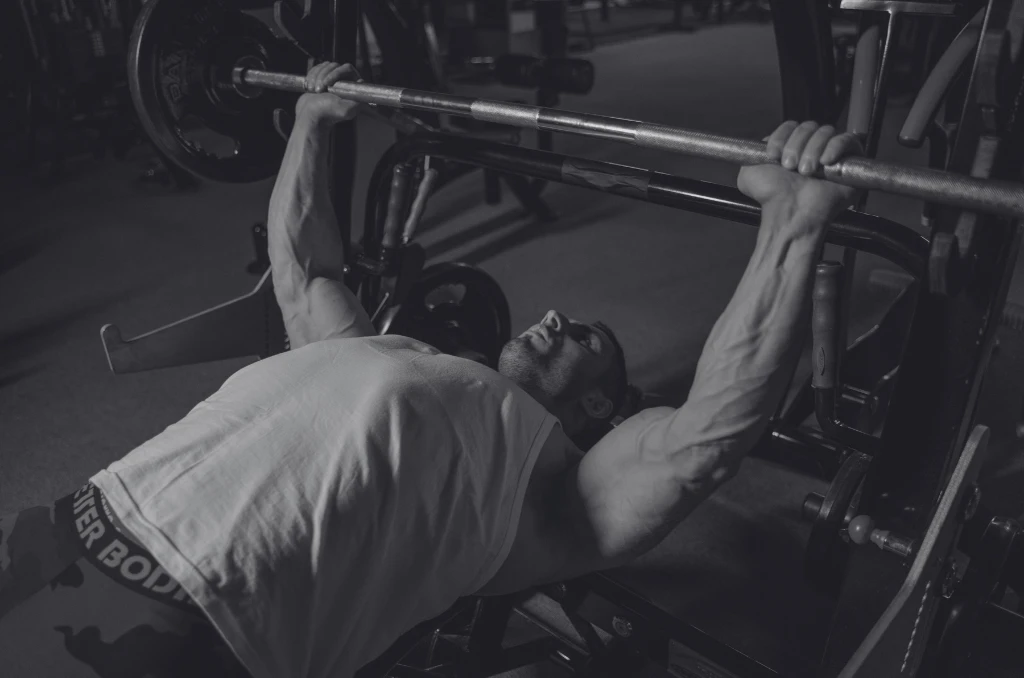
Read more
Recept-met-bloemkoolrijst-gezonde-nasi-1024x512
NutritionBy Bobby Stevens07-09-2023

Recipe with cauliflower rice: healthy nasi

In this article about a recipe with cauliflower rice healthy nasi: Cauliflower rice has become indispensable in supermarkets. But how do you make a delicious dish with it? This recipe with cauliflower rice is one you’ll want to save and make every week. Recipe with cauliflower rice healthy nasi explained Eating healthy doesn’t have to be difficult, as this recipe in this blog post proves. This healthy nasi is perfect to make after a busy workday. The meal is nutritious due to the chicken and vegetables, but also flavorful thanks to the right spices. In no time, you’ll have a tasty and healthy nasi on the table. Benefits of cauliflower rice A recipe with cauliflower rice is a healthy alternative to a ‘regular’ recipe with rice or another carbohydrate source. For example, you replace basmati rice or brown rice with cauliflower rice, which means you consume fewer calories. Not everyone is a fan of cauliflower, but if you use the right spices, you won’t even taste that it’s cauliflower. Some benefits of a recipe with cauliflower rice: It is a healthy alternative to calorie-rich carbohydrate variants such as basmati rice, noodles, or pasta. It’s a smart way to get more vegetables into your diet. It’s a handy trick to make the meal lighter and easier to digest. Ingredients for nasi with cauliflower rice Chicken thigh fillet Nasi vegetable mix Cauliflower rice 2 Cloves of garlic 1 Teaspoon paprika powder 1 Teaspoon curry powder Turmeric spices Kecap Preparation method Season the chicken fillet with kecap and a clove of garlic. It’s best to let the chicken marinate for a while. You can do this by seasoning the meat the night or morning before. Put some coconut oil in a frying pan and cook the chicken. Add the nasi vegetable mix and season with pepper and a splash of soy sauce if desired. Stir-fry the cauliflower rice in a separate pan with a clove of garlic and the remaining spices for about 8 minutes. Serve the cauliflower rice with the chicken and nasi vegetables and enjoy a portion of healthy nasi. Tip: You can also replace the chicken with shrimp or roasted chickpeas for variety. Are you going to make this recipe with cauliflower rice yourself? Share your dish with #daadkrachtdinner – we’d love to see it. Also read: 5 breakfasts with more than 25 grams of protein · more articles on our blog · personal training at Daadkracht .

Read more
Personal-trainer-in-Haarlem
TrainingBy Torito Marketing02-06-2023

What does a personal trainer cost?

Are you considering working out with a personal trainer and wondering: “ what does a personal trainer cost ?” In this blog, we will guide you through the costs of a personal trainer. After reading this blog, you will know what the (average) costs for a personal trainer are and which factors influence the price. What does a personal trainer cost explained What is personal training? When you choose personal training, you opt for the most professional way to achieve your goals. He or she often starts by creating a fitness program and (often also) a nutrition plan. These plans are tailored as closely as possible to your goals and current situation. During workouts, a personal trainer motivates you to push yourself further than you could on your own. Goals you can achieve with a personal trainer include: losing weight, increasing muscle mass, and improving your overall health. Personal trainers often work one-on-one with their clients. One-on-one guidance is more expensive, which is why most trainers also offer other training formats. Think of boot camps and small group training, for example. These training methods are cheaper but lack the personal aspect, which is precisely where the value of personal training lies. Costs of a personal trainer Now that you know why you would hire a personal trainer, I will answer your main question: How much does a personal trainer cost? Personal training costs can vary. The amount is somewhat dependent on several factors such as the trainer's experience, location, duration of the sessions, and the number of sessions you book. An example of a low hourly rate personal trainer: Consider a beginner trainer with not much experience. Besides his personal results, this trainer has very few proven client results. He usually conducts his sessions in a commercial gym where you share the gym with others. This trainer charges about €40 per hour. An example of a larger investment in personal training: This is a trainer with years of experience. You will find his private studio in the center of a large city. In the studio, only personal trainers work. There will never be more than 8 people (clients + trainers) present. He has many proven client results, and the studio offers luxury facilities. Because this trainer provides so much value, you may invest up to €100 per hour to ensure that you can achieve your goals in peace and luxury. Personal training costs: Other factors There may also be other factors that influence the price. Below, we mention a few. The number of sessions Just like you, a personal trainer wants to achieve results. And a trainer knows that the best results take time. Therefore, a trainer will usually reward you if you train with him for a longer period. You are committed enough to make a serious investment in yourself, and that is rewarded. Do you train privately or bring a buddy? You can choose to work completely one-on-one with your trainer. You can also choose to share the costs of the training sessions with one of your best friends. The training sessions will then often be slightly more expensive in total, but lower per person. The total price is higher because the personal trainer needs to tailor the guidance specifically to an additional person. Frequently Asked Questions What are the average costs of a personal trainer? As we explained in this blog, the costs can vary significantly. You can read about the factors that influence the price. On average, you can expect an hourly rate of €60 to €80. Is personal training worth the money? That depends. Are you naturally very motivated and do you have the time to learn everything there is to know about exercising? Then you might choose to try it on your own. But for most people, a period of trial and error is something they prefer to avoid. A trainer who motivates them and guides them from day one in a way that is 100% tailored to their needs is usually invaluable. How much does personal training cost at Daadkracht? Daadkracht is a personal trainer Haarlem . Our prices can also vary based on factors such as the duration of your sessions and how many sessions you purchase. The investment depends on what is needed to achieve your goals. Would you like to know more about this? Please contact us.

Read more
Waarom-cooling-down-oefeningen-voor-herstel-768x509
LifestyleBy Bobby Stevens02-03-2023

This is why cooling down exercises are good for your recovery.

Do you rush to your next appointment right after a workout, or do you take the time for a cooling down? Not everyone is convinced of the benefits of cooling down exercises. However, it is important for your overall recovery to take good care of your body after a workout. What is a cooling down? In this article about why cooling down exercises are good for your recovery: Before we delve into the effects of cooling down exercises, we first explain what a cooling down is and what cooling down exercises exist. A cooling down calms your body after physical exertion. You can perform a cooling down in various ways. For instance, you can decrease the intensity of your movements; if you have been running, you might slow down to a walk. You can also transition from physical exertion to gentle movements with stretching exercises to relax your muscles. Additionally, breathing exercises can further support your body in calming down. There are various cooling down exercises from the sports world, but often yoga exercises are also used in a cooling down. Below you will find several examples of cooling down exercises. This is why cooling down exercises are good for your recovery explained Examples of cooling down exercises Slowly walking or jogging after running (the same applies to cycling) Yoga exercises such as Child Pose and Downward Facing Dog Mobility exercises such as Active Pigeon and Neck Circles Breathing exercises such as Boxed Breathing and Down Regulation Need inspiration? Check out these cooling down exercises. What is the effect of cooling down exercises? Not everyone is convinced of the effects of cooling down exercises. Various studies have been conducted on the influence of cooling down exercises on physical recovery after a workout. Some suggest that a good cooling down reduces the risk of injuries and decreases stiffness. However, these results are not widely accepted by researchers . What is generally accepted is that during a workout, your heart rate increases and your body enters an action-oriented state. To function again in daily life after that physical exertion, for example, to work or sleep, your body needs to return to a relaxed state. This is better known as switching between the action-oriented state of the nervous system (sympathetic part) and the relaxed state of the nervous system (parasympathetic part). Cooling down exercises support this process. A cooling down for stress regulation According to science, you don't necessarily have to do cooling down exercises to reduce injuries or improve sports performance. However, doing a cooling down is indeed recommended to regulate your stress levels. During a workout, your heart rate increases and the amount of stress in your body rises. Research shows that a good cooling down helps to bring your heart rate and blood pressure back into balance. In a previous article about heart rate variability , we already shared that stress regulation is important for the heart and thus for all other processes in the body to function optimally. Therefore, a cooling down after a workout is recommended for the recovery of the body. Why we recommend cooling down exercises At Daadkracht, we believe in optimal health. This requires a collaboration between training, nutrition, and recovery. You can train hard, but if you don't have good stress regulation, you cannot recover. Just like training to lose weight makes no sense if you don't eat healthily. That's why we look at the complete picture of nutrition, training, and recovery. Curious about the Daadkracht Method? Book a free trial lesson or visit our personal training studio in Haarlem .

Read more
Alles-wat-je-moet-weten-over-krachttraining-768x509
TrainingBy Bobby Stevens23-08-2023

Burning belly fat as a woman

In this article about burning belly fat as a woman: A lot has been written about burning belly fat in women. What has been written is not always well-founded or based on reality. Take, for example, the myth about spot reduction of fat. It can be quite challenging to find the right information, even though that information does exist. In this article, we will tell you more about the right way to burn belly fat for women, while also debunking some persistent inaccuracies. Burning belly fat as a woman explained What is belly fat and why do we have it What is belly fat and does it pose a health risk? Belly fat is the fat that accumulates around our organs in the abdominal cavity. It is also known as visceral fat . That may sound scary, but you actually need a little bit of it. It is there for a reason. For instance, it protects your organs and serves as an energy reserve. Only when you have too much of this fat can it pose a risk to your health. It can contribute to cardiovascular diseases, type 2 diabetes, and other health problems. Therefore, it is important to live healthily and not accumulate too much of this fat. Factors contributing to excess belly fat There are various factors that can contribute to the accumulation of excess belly fat. Think of: Poor diet Lack of sleep Stress Lack of exercise Fortunately, these are all factors you can do something about. Gender, age, and fat distribution in the body Gender and age play an important role in the distribution of body fat. Women generally have more fat, while men carry less fat. As we age, we tend to develop belly fat more quickly. This is especially true for women after the menopause . Despite the fact that age and gender play a role, there are things you can do to reduce belly fat. We would love to tell you more about that. Nutrition and burning belly fat Go for a balanced diet A balanced diet is essential for burning belly fat. This means not only consuming enough proteins, complex carbohydrates, and healthy fats. Fiber and micronutrients are just as important. Moreover, maintaining a healthy weight goes beyond burning more calories than you consume. Nowadays, we are eating more and more processed foods and that impacts our hormonal balance . And that, in turn, affects how much fat we store. So, try to eat as little processed food as possible. Fat-burning foods are a myth You have probably seen it before: “Eat these superfoods and you will burn X kilos of fat in 2 weeks.” There are many myths about ‘fat-burning’ foods. Of course, some foods do contribute somewhat to fat burning. Foods such as: Green tea Cayenne Pepper Grapefruit All of them have a different way of helping to burn fat. For example, green tea contains a substance that helps your body break down fat faster. Cayenne pepper is very spicy, and that can help your body burn a few extra calories. Lastly, fruits like grapefruit have very few calories, but they do provide a feeling of fullness. This way, you eat less and therefore consume fewer calories. But no single food will have a noticeable effect on your belly fat burning. Especially not when the rest of your diet is not balanced. Ultimately, that, along with your lifestyle, will make the most difference. Want to know more? Then read our nutrition advice blog. Exercising and Burning Belly Fat Cardio and Burning Belly Fat Cardio plays an indispensable role in burning belly fat. Exercises such as running, cycling, and swimming increase the heart rate and help the body burn calories. It is an accessible way to start exercising. Everyone has a pair of running shoes in the closet or a bike in the shed. Strength Training for Fat Burning In addition to cardio, strength training is also important for fat burning. This way, you build muscle mass, which in turn boosts metabolism. Larger muscles use more energy, so you will also burn more calories at rest. Are you a woman interested in strength training? Especially for you, we have written a blog: strength training for women. Burning Belly Fat During Menopause The Influence of Menopause on Fat Distribution in the Body During menopause, many women experience changes in fat distribution in their bodies. The body tends to store more fat around the belly instead of the hips and thighs. As a result, some women feel insecure and want to burn belly fat. Tips for Dealing with Belly Fat During Menopause During menopause, you have enough to deal with. If you also notice that you are starting to store extra fat around your belly, that is, to say the least, frustrating. Fortunately, you can do something about it. During menopause, it is important to adjust your diet and get enough exercise each day. Additionally, try to get enough sleep and manage your stress. This way, your hormones will stay most balanced, and you will build less belly fat. In fact, with a holistic approach, you can burn belly fat during menopause. A Holistic Approach: Nutrition, Exercise, and Lifestyle A holistic approach that takes into account nutrition, exercise, and lifestyle is essential in addressing excess belly fat. Shortcuts and quick fixes do more harm than good Diet pills and so-called 'wonder drugs' for fat burning are often ineffective and can have harmful side effects. Moreover, they do not address the underlying causes of excess belly fat. Therefore, we never recommend our clients to purchase these supplements. It is a better idea to invest the money for these supplements in better nutrition. You will experience much more benefit from that in the short and long term. The dangers of excessive dietary restrictions Excessive dietary restrictions, often crash diets, can lead to nutrient deficiencies, fatigue, injuries, and other health problems. All these issues bring additional problems. For instance, you are more likely to eat more, exercise less, and your sleep will also suffer. All things that do not help you burn belly fat. Opt for a sustainable approach A realistic, sustainable approach to weight loss is important. This means gradually making small changes to your diet and physical activity. You do this to be able to maintain the changes in the long term. The path to a healthier lifestyle and less belly fat The best way to burn belly fat is one that is balanced and sustainable. Make sure you get enough movement and sleep. Monitor your stress and nutrition, and then it should be fine. Choose a sustainable way to lose weight and avoid shortcuts. FAQs: Is it possible to lose fat only from my belly? It is not possible to lose fat from just one specific area of your body. Even though the internet is full of so-called 'spot-reducing' tips, a sustainable approach remains the best. When you lose fat, you will lose it over your entire body. Are there certain foods I should avoid to lose belly fat? It is important to follow a balanced diet that is rich in whole grains, proteins, vegetables, and fruits. Limiting processed foods, sugary snacks, and drinks also helps in burning belly fat. What are the best exercises for losing belly fat? A combination of cardio exercises and strength training can be effective for burning belly fat. There are no specific exercises to burn belly fat. How much belly fat is too much? This can vary depending on various factors such as age and gender, but generally, a waist circumference of more than 88 cm for women and more than 102 cm for men is considered an indication of too much belly fat. That is, of course, a rough estimate, as every body is different. It is best to consult a health professional who can look at your specific situation. Who are you? Daadkracht is a personal trainer Haarlem . In our private studio, we guide people towards their physical goals while helping them with exercise, nutrition, and lifestyle. By combining these 3 components of a healthy lifestyle, we have created an approach that allows everyone to achieve results.
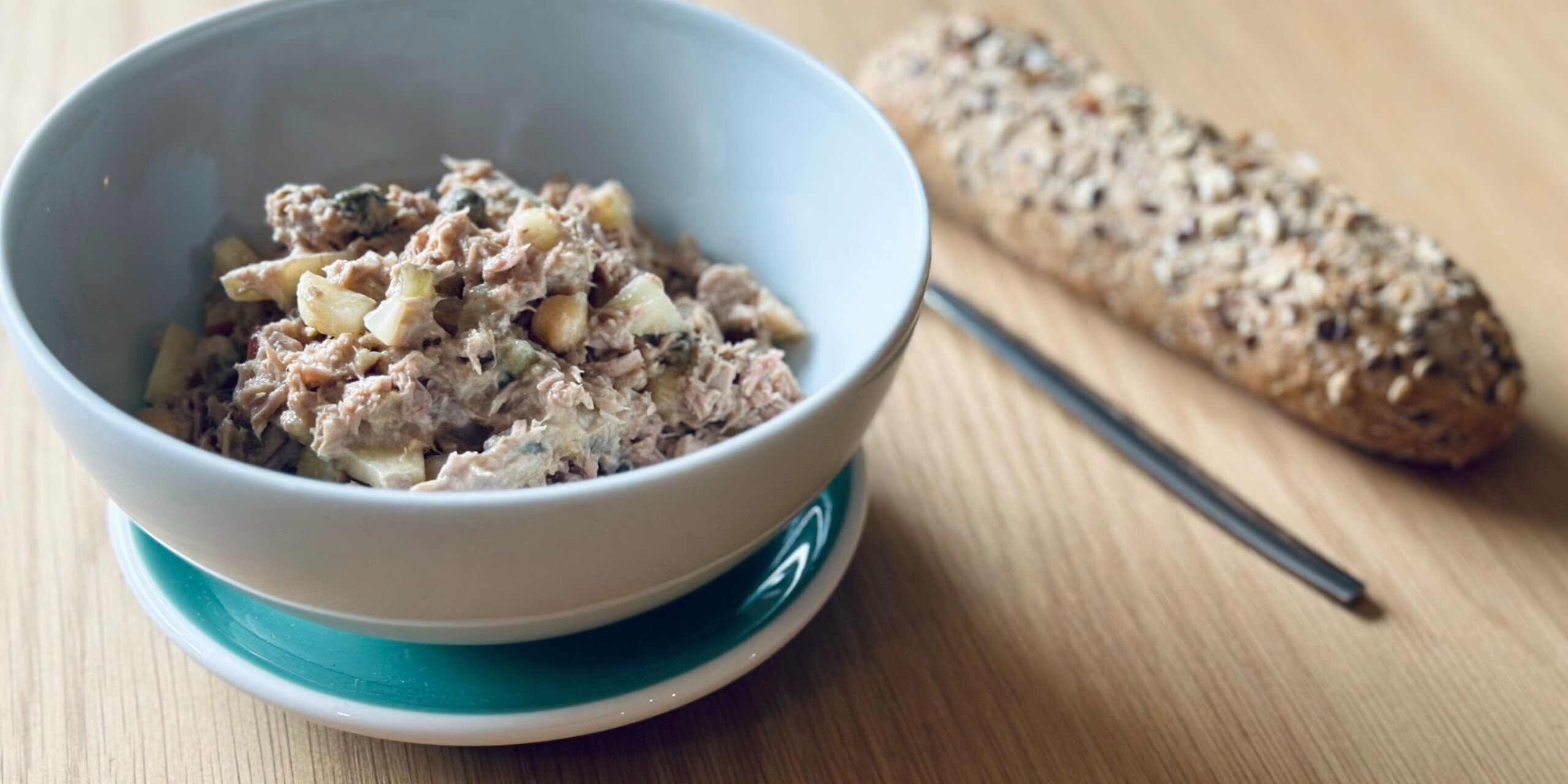
Read more