

In this article about nutrition during menopause, here’s how to stay balanced: Gaining weight is a common complaint among women in menopause. You might think there’s nothing you can do about it and that it’s just part of the process. However, there is indeed a lot you can do with nutrition during menopause to maintain balance. You can read all about it here.
Nutrition during menopause: how to stay balanced explained
Nutrition during menopause: 7 tips
Menopause is a life phase in which a woman's body undergoes many changes. Hormonal fluctuations can lead to weight gain, mood swings, hot flashes, and a slowed metabolism. A balanced diet can help reduce these complaints and keep you feeling energetic. In these 7 tips, we discuss which nutrition during menopause can support you.
1. Eat enough protein
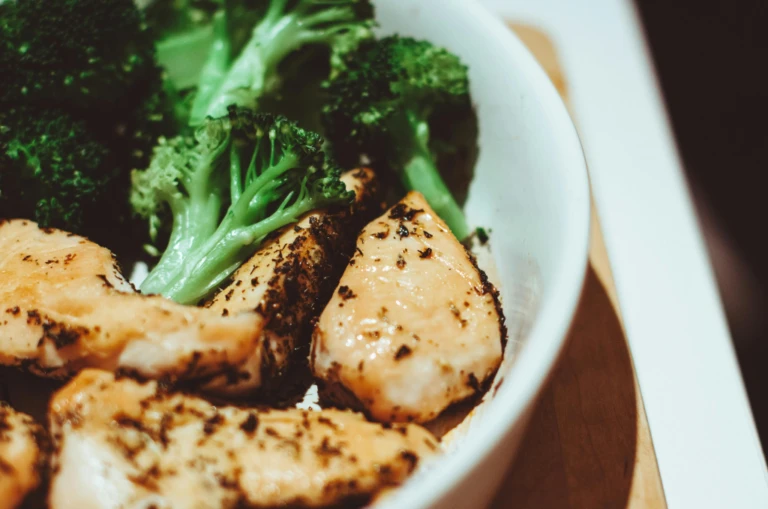
Proteins are essential for maintaining muscle mass, which can decrease more rapidly during menopause. Choose lean protein sources such as chicken, fish, eggs, legumes, and low-fat dairy products. Proteins also help stabilize blood sugar levels and reduce cravings for snacks.
2. Opt for healthy fats
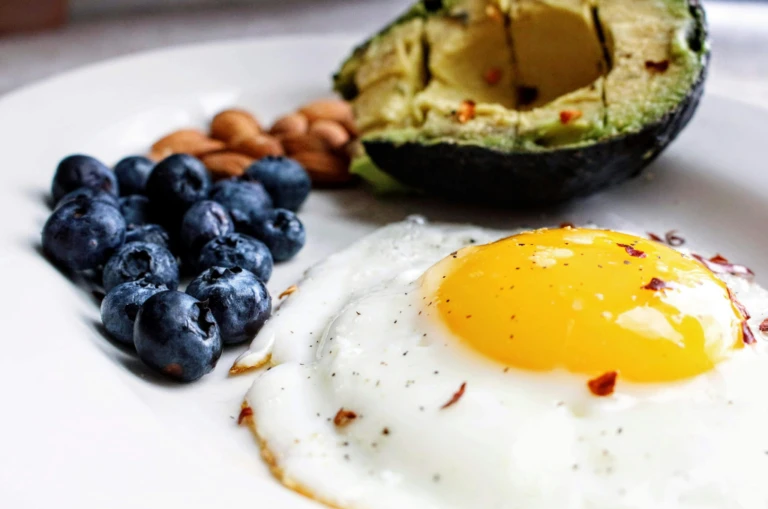
Healthy fats such as omega-3 fatty acids support hormonal balance and reduce inflammation in the body. Good sources include fatty fish (like salmon and mackerel), nuts, seeds, olive oil, and avocados. These fats also contribute to healthy skin and brain function.
3. Ensure adequate fiber intake
Fiber-rich foods promote healthy digestion and help maintain stable blood sugar levels. Whole grain products, vegetables, fruits, legumes, and nuts are excellent sources of fiber. Additionally, fiber helps lower cholesterol levels and supports a healthy weight.
4. Avoid sugar and processed carbohydrates
Sugar and fast carbohydrates can lead to spikes and drops in blood sugar levels, which can cause mood swings and energy dips. Limit your intake of white pasta, white bread, pastries, and soft drinks. Instead, choose whole grain products and natural sugars from fruit.
5. Drink enough water
During menopause, the body may retain more fluid or become dehydrated more quickly. Drink enough water daily (at least 1.5 to 2 liters) to keep your body well-hydrated and to flush out waste products. Herbal tea and water with a slice of lemon are good alternatives to sugary drinks.
6. Ensure adequate calcium and vitamin D
The decrease in estrogen during menopause can lead to an increased risk of osteoporosis. Calcium and vitamin D are essential for strong bones. Dairy products, leafy green vegetables, almonds, and fatty fish are good sources of calcium. For vitamin D, you can eat fatty fish or spend time outdoors in the sun regularly.
7. Limit caffeine and alcohol
Caffeine and alcohol can exacerbate hot flashes and sleep problems. Try to moderate your intake and choose caffeine-free drinks or herbal tea more often. If you do have a glass of wine, do so in moderation and combine it with a nutritious meal.
Do's and don'ts about nutrition during menopause
To optimally support your body during menopause, it is important to make conscious choices. Opt for a varied diet rich in vegetables, fruits, whole grains, and proteins. Ensure you get enough healthy fats and stay hydrated. Take the time to eat slowly and listen to your body. It is better to avoid heavily processed foods, excessive sugar intake, and too much caffeine or alcohol, as these can exacerbate hot flashes and mood swings. Crash diets can also backfire and lead to a disrupted metabolism.
Help with your diet during menopause
With the right nutrition during menopause, you can support your body through hormonal changes. This way, you stay balanced and feel more energetic and healthier during this phase of your life. Need help? Don't hesitate to schedule a free trial lesson at one of our personal training studios in Overveen or Heemstede and get professional guidance during this changing phase.