

In this article about exercising during menopause tips tricks: Your body is changing, you have mood swings, and you feel less comfortable in your skin: menopause causes many women to experience physical and emotional complaints. Exercising during menopause can help you feel better and improve your health. In this article, we share practical tips and tricks to stay active and fit during menopause.
Exercising during menopause tips tricks explained
Why is exercising important during menopause?
During menopause, your body changes due to fluctuations in hormones such as estrogen and progesterone. This can lead to complaints such as:
Weight gain
Decreased muscle mass
Bone loss
Mood swings
Fatigue
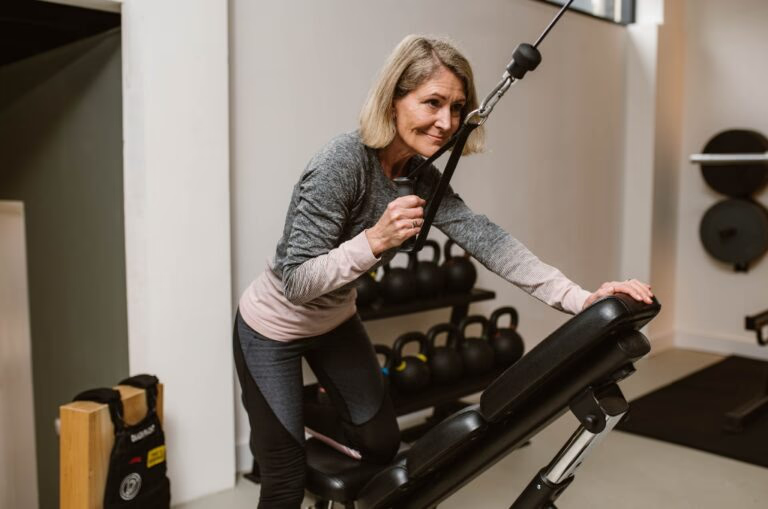
Research shows that regular exercise during menopause helps reduce menopausal complaints. It improves your metabolism, strengthens your bones and muscles, and promotes your mental health. Moreover, exercising can give a boost to your energy and self-confidence.
Tips for effective exercising during menopause
When you enter menopause, you need to get used to various changes. It can be quite challenging to stay motivated and find a form of exercise that supports you during this phase of your life. These tips will help you with exercising during menopause.
1. Choose an activity that suits you
Make sure to choose a form of exercise that you enjoy. This can range from yoga to strength training, or from walking in nature to dancing. Enjoyment is key to maintaining exercise during menopause.
2. Listen to your body
Your body may be more sensitive to injuries and fatigue during menopause. If you exercised little before entering menopause, start with light exercises and gradually increase the intensity. Even if you regularly trained before, you may find that you can handle less than you are used to. Listening to your body is especially important.
3. Focus on strengthening muscles and bones
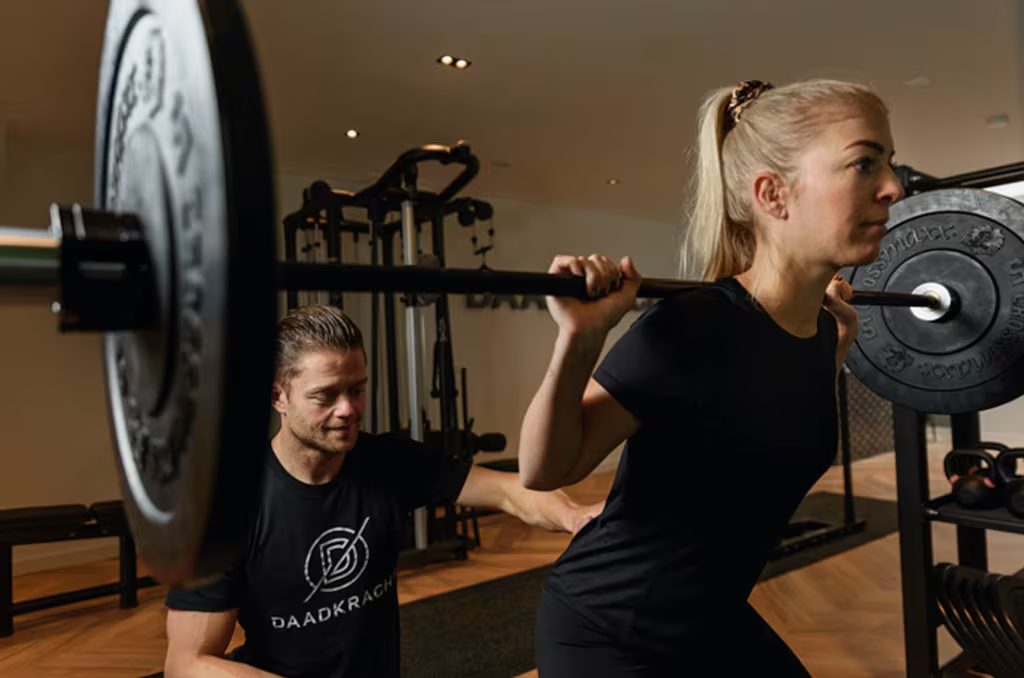
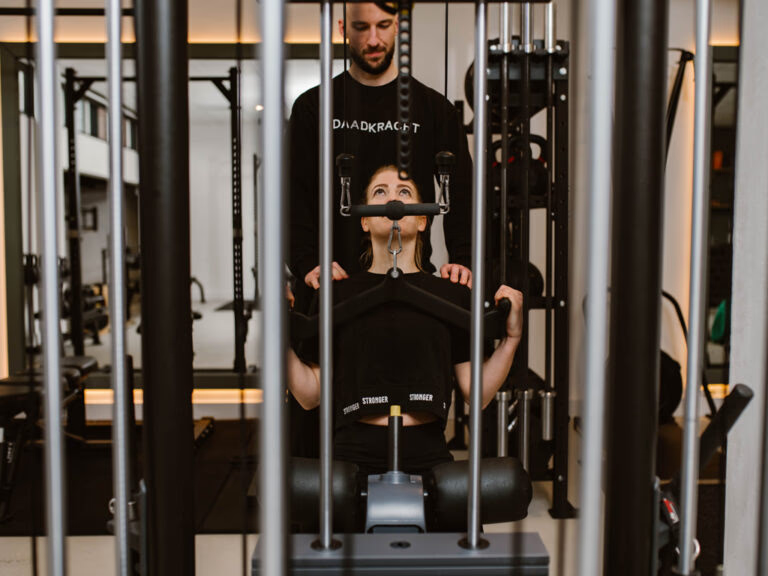
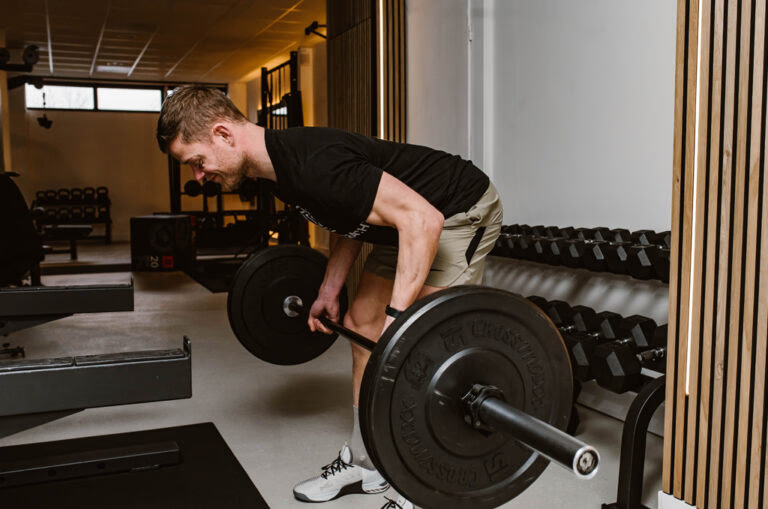
Strength training and activities where you carry your own body weight, such as running or walking, are essential to maintain muscle mass and bone density. These forms of exercise help reduce the risk of osteoporosis.
4. Combine cardio with relaxation exercises
Cardio exercises such as cycling, swimming, or a brisk walk support your heart health. Combine this with relaxation exercises such as breathing techniques or Pilates to reduce stress. This way, you support your hormonal balance and keep your stress levels healthy.
5. Be consistent
The effects of exercising during menopause become noticeable only when done regularly. Try to be active at least three times a week. If you find it difficult to motivate yourself, remember that short sessions of 20-30 minutes can make a significant difference.
Pitfalls of exercising during menopause
Exercising during menopause is a good way to ensure that you stay fit during this life phase. However, due to all the changes in your body, it is important to be careful. Here are some common pitfalls and how to avoid them:
Starting too ambitiously: Overexertion can cause injuries. It's better to start small and explore the new limits of your body than to demand too much from yourself right away. Stay consistent and view this phase as getting to know your capabilities again.
No balance between effort and rest: Your body needs rest to recover; during the transition, you may notice that you need more time to recuperate. Don't put too much pressure on yourself and give your body the time it needs.
Focusing only on weight loss: It's completely understandable that you need to adjust to the physical changes and any potential weight gain. While exercising can help maintain your weight, the mental and physical benefits are just as important. Don't overdo it with exercise; try to learn to love your body in other ways.
Final tips for exercising during the transition

Exercising during the transition doesn't have to be a chore. By choosing a form of movement that you enjoy and staying consistent, you can strengthen both your body and mind during this life phase. It's especially important to give yourself time to adjust to all the changes and listen to your body. A few more tricks to get through this period healthily include maintaining a healthy diet; it's important to nourish your body with enough proteins, healthy fats, and carbohydrates. If you're struggling, don't hesitate to seek help from a professional. At Daadkracht, we are happy to assist you and offer professional and personal guidance to support you with your needs. You are more than welcome for a free trial lesson at one of our lifestyle studios in Overveen or Heemstede.