

In this article about strength training and anxiety disorders: We all know the feeling of tension or anxiety. For example, when you have to give an important presentation in front of a group of people, when you have to take an exam or complete an assignment for school or work, or when you have to play in a competition. Anxiety is an emotion with two sides. On one hand, we need healthy tension before we perform to bring out the best in ourselves. On the other hand, this tension should not escalate, as it will not benefit our performance. Anxiety disorders are the most common mental disorders worldwide. First-line treatment for such disorders includes medication and therapy, but scientific research has also looked into the relationship between anxiety disorders and training. We find this an interesting perspective. We delved into the results and will explain it to you.
Strength training and anxiety disorders explained
Anxiety disorders and treatment
Anxiety disorders are the leading causes of mental disorders and burnout worldwide. Examples include OCD (obsessive-compulsive disorder), post-traumatic stress disorder, or a specific phobia. Treatment is usually done through a combination of medication and therapy. However, various studies have also looked at alternative treatment methods. Exercise is seen as something that everyone has at their disposal, and multiple studies show that aerobic training has a significant effect on reducing anxiety disorders. However, the effect of strength training on reducing anxiety has been less frequently studied. The research we read aims to fill this research gap and therefore conducted a meta-analysis (quantitative comparison of the literature in this field).
Anxiety disorders and strength training
The main goal of the research was to test the effect of strength training on feelings of anxiety by comparing various studies, the difference in effect between strength training and aerobic training, and the influence of possible other factors. The study found that strength training has a positive effect on symptoms of anxiety (increased heart rate, stress, nerves, negative thoughts, etc.). However, this effect was stronger for people who were (still) not diagnosed with an anxiety disorder but did feel feelings of anxiety. Additionally, it appeared that there were no differences in the effect of strength training or aerobic training. These results suggest that, alongside the medical route of medication and therapy, exercise (strength/aerobic) should be seen as a useful addition for mental health.

Training and Mental Health
Studies like these provide an interesting perspective on our health. It is well established and widely accepted that training has a positive impact on our physical health. The influence of training on our mental health is less frequently studied, but it certainly points in a positive direction. As we described in a previous article, training leads to better cognitive performance and a more positive mood. The exact reason why strength training reduces feelings of anxiety is still not entirely clear. What we do know is that training reduces stress, as we have already told you about the influence of stress on the body. Other plausible factors may include greater satisfaction with your body, feeling better in your skin, increased self-confidence, and improved fitness. Additionally, it also helps you to improve sleep, which also has a significant impact on your mental health. More research into the effect of strength training on our mental health is needed, and we are keeping a close eye on these results. Because we fully support the idea that training is an essential part of a healthy lifestyle.
Starting to Train When You Have an Anxiety Disorder
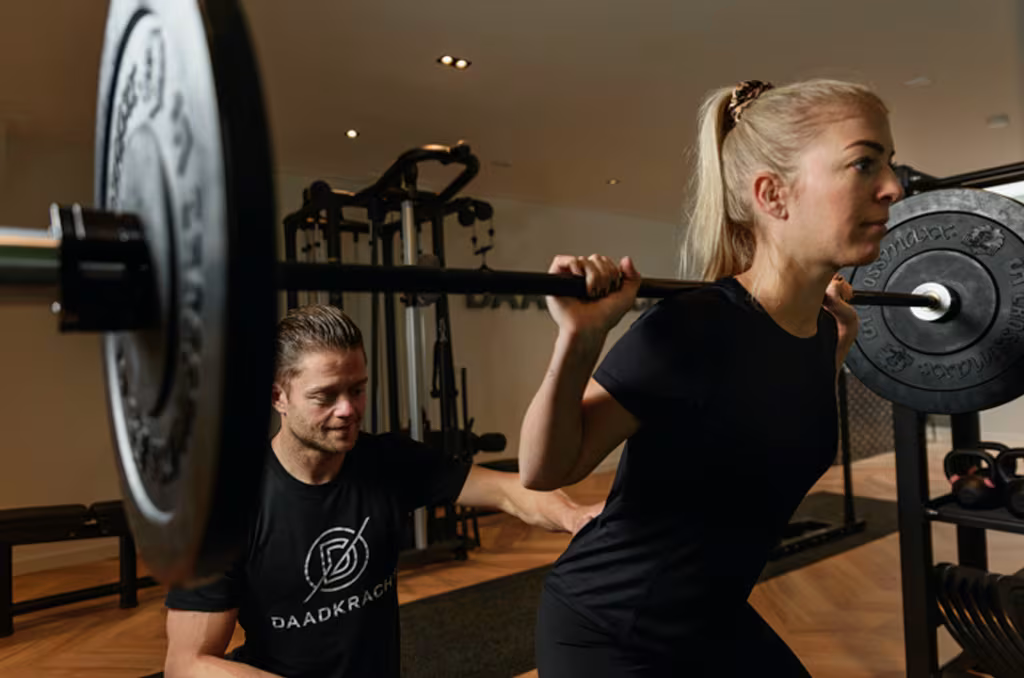
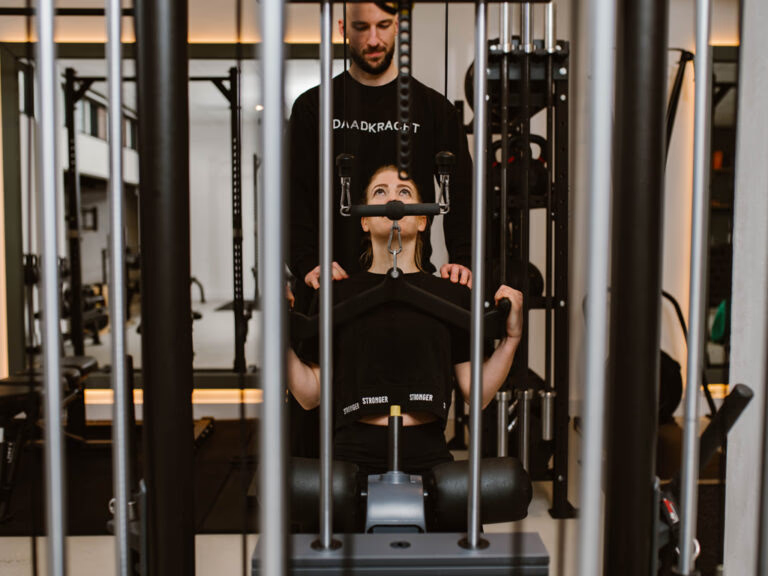
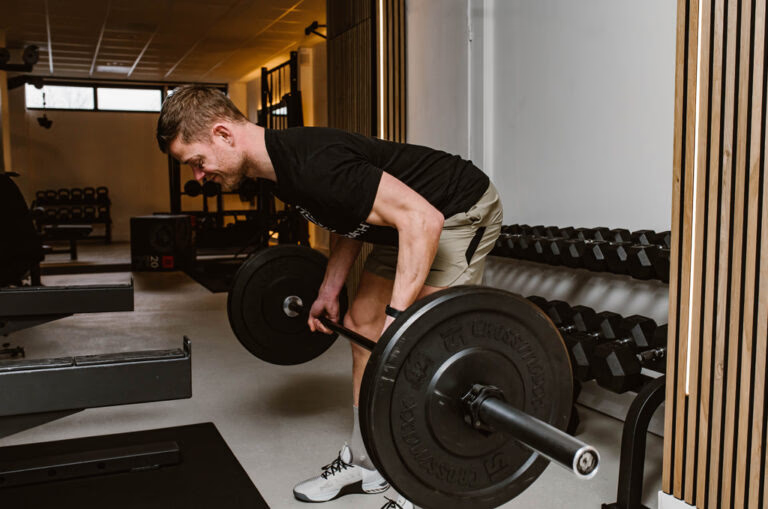
The step to start can be a significant hurdle. Walking into a large, busy commercial gym and doing exercises you've never heard of can indeed provoke stress, nervousness, and fears. This is exactly where a trainer can help. A trainer welcomes you in a private studio where only you and the trainer are present. Additionally, the trainer guides you through every exercise, which alleviates some of your worries. Would you like to experience this? I am a personal trainer in Haarlem and I would be happy to help you move, regardless of your personal circumstances.
Source: Lifting the weight of anxiety. The Effects of Resistance Exercise Training on Anxiety: A Meta-Analysis and Meta-Regression Analysis of Randomized Controlled Trials. Examine.com