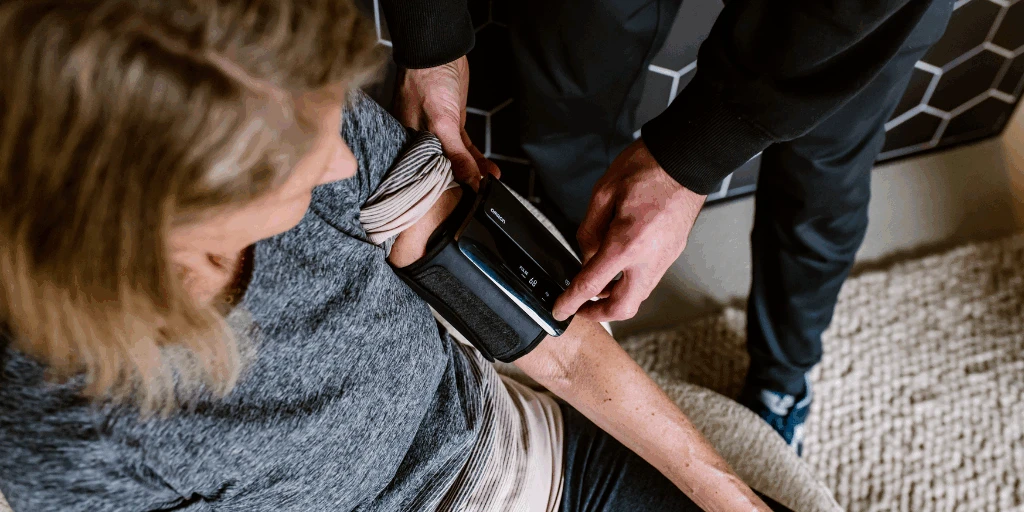


In this article about blood pressure what is optimal: What is blood pressure? Blood pressure is the pressure in the blood vessels. When the heart contracts, blood flows into the body. The pressure in the blood vessels is then at its highest, this is the systolic pressure, also known as the upper pressure. When the heart then relaxes, a lower pressure in the blood vessels occurs. This is the diastolic pressure, also known as the lower pressure. Blood pressure is constantly subject to changes; when you exert yourself, and the heart has to pump harder, the pressure in the vessels will be higher than when you are sitting quietly. An optimal blood pressure when you are sitting quietly is 120/80 mmHg. For people over 60 years old, it is normal for the upper pressure to be somewhat higher.
The blood pressure what is optimal explained
High blood pressure
High blood pressure (hypertension) is a systolic pressure higher than 130 mmHg and/or a diastolic pressure higher than 85 mmHg. About 1/3 of Dutch adults have high blood pressure.1 Due to the continuous pressure on the vessels, the heart, brain, eyes, and kidneys will eventually suffer damage if high blood pressure remains untreated. The higher the pressure in the blood vessels, the greater the chance of, for example, a heart attack or a stroke.2 Hypertension is partly determined by lifestyle, but genetic factors, medication, and diseases can also increase the pressure in the vessels. Important lifestyle factors that increase the risk of high blood pressure are:
stress
overweight
little physical activity
too high salt intake
poor diet (little vegetables and fruit, low fiber, too much alcohol)
Compared to an optimal blood pressure, women with high blood pressure have 2.5 times more chance of cardiovascular disease, while for men this is 1.6, and this risk increases with age.3 High blood pressure is also associated with reduced cognitive functioning and mental disorders such as dementia.4
Blood pressure and activity
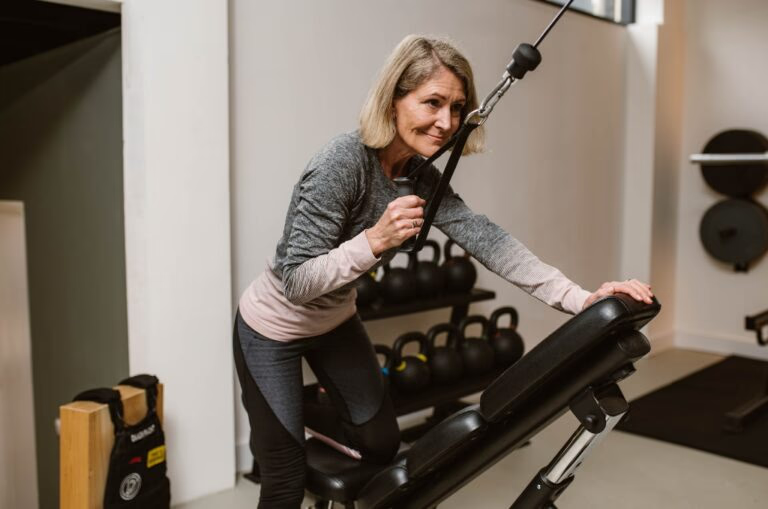
Inactivity increases the risk of high blood pressure.2 However, you can also lower high blood pressure by adopting a more active lifestyle. Regular aerobic physical activity lowers systolic pressure by an average of 3.5 mmHg and diastolic pressure by an average of 2.5 mmHg in people who previously did not engage in aerobic training. This is independent of age
and the level of pressure in the blood vessels.2 How much activity is needed is still unclear, but we recommend at least 5 days a week of about 20-30 minutes of endurance training.
A reduction in systolic pressure of 20 mmHg or a reduction in diastolic pressure of 10 mmHg already decreases the risk of death from a stroke by 64% in men aged 40 to 69 years. At ages 80-89, this is 33%.5
Blood pressure and nutrition
Various studies have shown that eating a lot of salt can contribute to having high blood pressure.6 Reducing this can therefore help lower blood pressure. Studies have also proven that the consumption of low-fat dairy can contribute to lowering blood pressure and preventing hypertension.7 Low-fat dairy contains components such as calcium, phosphorus, and bioactive peptides, which may have a beneficial effect on pressure in the vessels. Adjusting the total dietary intake, both the quantity and the products, seems most meaningful for lowering high blood pressure if it is also accompanied by weight loss. When overweight adults lose 8 kg, there is already an average reduction in blood pressure of 8.5 mmHg/6.5 mmHg.8
Low Blood Pressure
You have low blood pressure when you experience symptoms associated with low blood pressure, such as frequent dizziness, feeling lightheaded, or fainting. There is not one specific value that is considered the threshold for low blood pressure, as is the case with high blood pressure.9 Symptoms can also arise due to warmer weather or changes in posture. Usually, this resolves on its own and is not harmful. In warm weather, the dilation of blood vessels leads to lower pressure in the vessels, which particularly affects older individuals. When you change posture, for example, when you go from lying down to standing up suddenly, blood shifts from your abdomen to your legs. This can temporarily reduce the heart's ability to fill properly, resulting in less effective blood circulation. As a result, you may briefly feel dizzy or see spots in front of your eyes. Only if you frequently faint is it advisable to have your blood pressure checked. Based on that, further investigation may be warranted.
Literature
1. National Compass Public Health
2. Whelton, S.P., Chin, A., Xin, X., He, J. (2002). Effect of Aerobic Exercise on Blood Pressure: A Meta-Analysis of Randomized, Controlled Trials. Annas of International Medicine, 136(April), 493-503.
3. Vasan, R.S., Larson, M.G., Leip, E.P., Evans, J.C., O’Donnell, C.J., Kannel, W.B. (2001). Impact of High-Normal Blood Pressure on the Risk of Cardiovascular Disease. The New England Journal of Medicine, 345, 1291-1297.
4. Starr, J. (1999). Blood pressure and cognitive decline in the elderly. Curr Opin Nephrol Hypertens, 8(3),347-51.
5. Lewington, S., Clarke, R., Qizilbash, N., Peto, R., Collins, R. (2002). Age-specific relevance of usual blood pressure to vascular mortality: a meta-analysis of individual data for one million adults in 61 prospective studies. Lancet, 360(Dec), 1903-1913
6. He, F.J., MacGregor, G.A. (2007). Salt, blood pressure and cardiovascular disease. Curr Opin Cardiol 22, 298–305.
7. Ruidavets, J.B., Bongard,V., Simon, C., Dallongeville, J., Arveiler, D., Amouyel, P., Bingham, A., Ferrières, J. (2006). Independent contribution of dairy products and calcium intake to blood pressure variations at a population level. J Hypertens, 24, 671-681.
Also read: Staying Fit During Menopause: 5 Lifestyle Tips · more articles on our blog · personal training at Daadkracht.