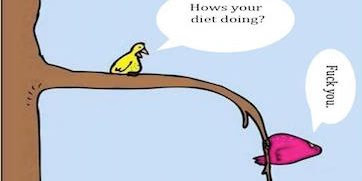


In this article about how to transition from dieting to a healthy lifestyle: Dieting may seem like a good idea in the short term, but in the long run, it is often difficult to maintain. The result is that you keep falling back into the same unhealthy habits. Recognizable? Discover which tools can help you learn a healthy lifestyle that is achievable.
How to transition from dieting to a healthy lifestyle explained
The difference between a diet and a healthy lifestyle
In a previous article, we already discussed the reason why dieting (in the long term) does not work. Dieting is often focused on a short-term adjustment in eating habits to lose weight. Names like Sonja Bakker, Doctor Frank, and Weight Watchers are well-known in the dieting world. However, the downside of such a diet is that it often aims for rapid weight loss without much attention given to changing or optimizing exercise and lifestyle habits. A sustainable lifestyle focuses more on learning healthy habits and behaviors that ensure you can maintain a healthy weight in the long term. This prevents the yo-yo effect and makes healthy living more enjoyable and easier.
The benefits of a healthy lifestyle compared to a diet
It can be quite challenging to adjust your lifestyle. This has everything to do with behavioral change. Every person has certain habits and behaviors, ingrained patterns that you often maintain for a long time. An adjustment requires you to examine what you are used to and make different choices. And we often find that change difficult as humans. Nevertheless, it is immensely rewarding to become aware of your lifestyle choices. How you feel on a daily basis is largely a sum of the choices you make for your own health. Short-term adjustments can help, but ultimately you benefit most from a sustainable healthy lifestyle. Here are some advantages of a healthy lifestyle in the long term:
1. A sustainable lifestyle is easier to maintain
A healthy lifestyle consists of healthy eating, sufficient physical activity, and other daily habits. The goal of this lifestyle is to make adjustments based on your needs and integrate a healthy way of living into your daily routine. This way, you can continuously experience the benefits of a healthy lifestyle without falling back into unhealthy patterns. Many diets, on the other hand, focus on quick results and are often strict, which can lead to temporary weight loss. However, these diets are difficult to maintain in the long term, causing people to often revert to their old habits and regain the lost weight (the so-called yo-yo effect).
2. A sustainable lifestyle structurally improves your health
By consistently eating healthy, exercising enough, managing stress, and sleeping well, you reduce the risk of chronic diseases such as heart disease, type 2 diabetes, and certain forms of cancer. A sustainable lifestyle also supports healthy blood pressure, cholesterol levels, and a stronger immune system in the long term. While diets are often focused on quick weight loss by significantly reducing calories or eliminating certain food groups, this can lead to a deficiency in essential nutrients, which can be harmful to health in the long run. Although you may see results in the short term, the health benefits can quickly disappear when you stop the diet, often creating deficiencies in the body.
3. A sustainable lifestyle supports your mental health
A healthy lifestyle often takes a holistic approach. Attention is paid to multiple facets of health, both physical, mental, and emotional. This can lead to better mental health, less stress, and a positive self-image. Thus, a healthy lifestyle not only helps you feel better but also enables you to make better choices in your daily life. Strict diets can often cause stress, especially if they lead to social isolation or feelings of failure when goals are not met. This can lead to an unhealthy relationship with food and negatively impact mental health.
4. A sustainable lifestyle ensures weight management
A balanced diet combined with regular physical activity leads to a stable and healthy body weight in the long term. This is not only good for physical health but also for maintaining a positive self-image. While short-term diets often lead to quick weight loss, this is often not sustainable. Many people experience a return to their old weight or even weight gain after the diet ends, as they revert to old eating habits.
5. A sustainable lifestyle improves your social-emotional life
By adopting a healthy lifestyle, you create a positive and sustainable relationship with food, exercise, and yourself. This positively influences your social life and emotional well-being, as you have more energy and self-confidence. In contrast, diets can limit social interactions, especially if they impose restrictions that make it difficult to participate in social meals or activities. This can lead to feelings of isolation and stress.
In short, a long-term healthy lifestyle offers lasting benefits for your overall health and well-being. It creates a solid foundation for a long, healthy, and happy life. Short-term diets may yield quick results but often lack the sustainability and benefits of a healthy lifestyle, making them less effective in the long run.
The 3 elements of a healthy lifestyle
Learning a sustainable lifestyle takes time and requires attention. Additionally, a healthy way of living consists of various elements. How do you adjust your way of life? Below you will find three important elements of a sustainable lifestyle to work on.
1. Nutrition
There is a reason why it is often said: “You are what you eat.” The food you consume plays a significant role in how you feel; after all, it is your fuel. It is difficult to define what ‘healthy nutrition’ is because this varies for everyone. It is especially important to find a dietary pattern that suits your body and needs. But generally, we advise eating as varied as possible. This means that you should include carbohydrates, fats, and proteins, with a particular emphasis on having three substantial meals. Add enough protein to your meals so that you feel satiated, and vegetables and fruits provide the necessary vitamins and minerals. Furthermore, try to avoid refined sugars, saturated fats, and processed products as much as possible. In addition to your nutrition, water plays an essential role in various functions of the body, such as good digestion and the elimination of waste. Therefore, drink enough water, about 2.5 to 3.5eliters per day. Also, try to limit the consumption of calorie-containing drinks like soda as much as possible.
2. Training
A healthy lifestyle requires not only the right nutrition but also sufficient activity. Your body is made to move. Daily activities such as walking and cycling are always good. To keep your body fit and strong, you need to incorporate training into your lifestyle. Choose forms of exercise that you enjoy and can maintain. Additionally, we recommend doing strength training, as this type of training supports you in aging healthily and vibrantly. Preferably train at least 2 times a week and ensure that you disrupt homeostasis (the current state of the body) for optimal training effect. This way, you stimulate your body to become stronger. The fitter your body is, the more it can withstand diseases and other setbacks.
3. Recovery
The last important element of a healthy sustainable lifestyle is your recovery. In addition to healthy nutrition and sufficient effort, your body also needs relaxation. A good night's sleep is essential for your body's recovery. During your sleep, for example, muscle tissue is repaired, and the nervous system and immune system are maintained. It ensures that you can perform your tasks rested the next day. Besides a good night's sleep, your recovery during the day is also important. Balance your stress levels throughout the day by meditating or doing breathing exercises. Various forms of yoga also help your body to relax. This way, you take good care of your mental health, help your body recover, and can also fall asleep more easily in the evening.
How can I lose weight while maintaining a healthy lifestyle?

If you have the goal of losing weight alongside a healthy lifestyle, you simply need to consume fewer calories through your diet than you burn daily (caloric deficit). To avoid the negative effects of very low calorie intake, such as muscle breakdown and a slowed metabolism (see also, “Five reasons why dieting doesn't work in the short term”), you should limit the caloric deficit to 10% to 20% of your total daily energy needs.
You learn a sustainable healthy lifestyle at Daadkracht
Integrate these tips into your lifestyle to adopt a sustainable healthy lifestyle. If you want to lose weight, create a caloric deficit of 10% to 20% and ensure you get physical activity (read here how strength training helps with weight loss). Do not expect to achieve your desired results within 3 weeks; reaching your goal and learning a new lifestyle takes time. This way, you adjust your lifestyle responsibly and prevent the negative effects of drastic dieting. Do you need more guidance? Book a trial lesson at one of our studios in Overveen or Heemstede.
References
Katan, M. (2008). What is healthy? Myths & Facts about nutrition. Publisher Bert Bakker, Amsterdam.
Personal Hormonal Profiling, Course material, The Overload Worldwide.
Verburgh, K. (2012). The Food Sand Timer. Publisher Prometheus, Amsterdam.
Wardt van der, M. (2015). “How to create your own meal plan?” Retrieved on February 2, 2015 via: http://fitzonderfabels.nl/2015/01/14/hoe-stel-je-zelf-een-voedingsschema-op/